


You list your old refrigerator for ₹9,000. It is a 3-year-old Whirlpool, works perfectly, all parts intact. You have done your research. Similar models are listed between ₹8,500 and ₹10,000 in your area.
The first enquiry comes in. The buyer opens with: “Will you take ₹5,000?”
You are not sure whether to feel insulted or just confused.
This is one of the most common and least discussed parts of local buying and selling the negotiation. Most guides tell you how to list an item or how to verify payment. Very few prepare you for the actual conversation that happens in between, where both sides are trying to reach a number that feels fair without feeling like they lost.
Negotiation in the second-hand market is normal. It is expected. Both buyers and sellers know it is coming. The question is not whether it will happen, it is how to handle it without getting pressured into a price that does not work for you, or walking away from a deal that actually made sense.
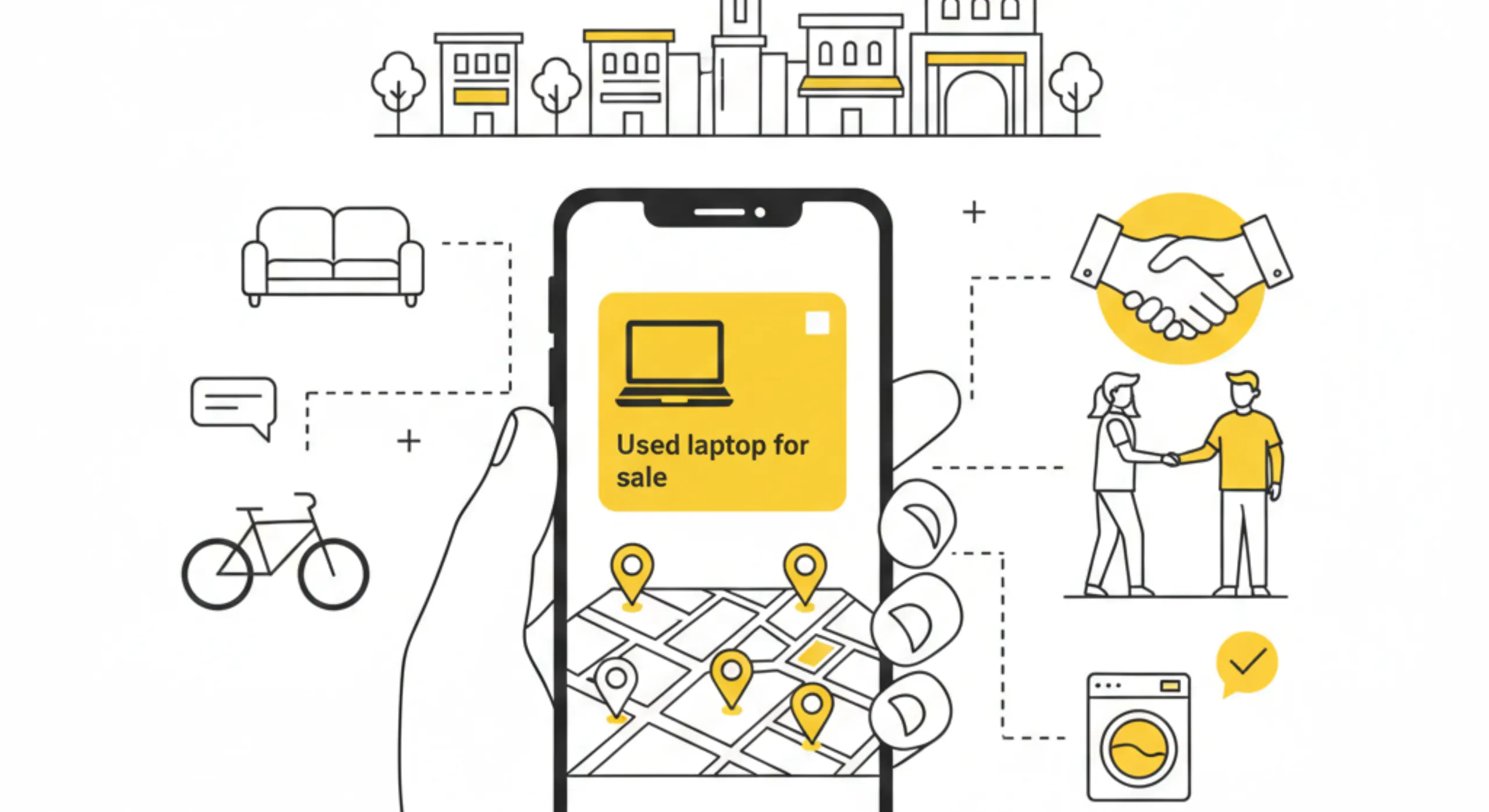
Platforms that help you buy and sell locally through Sympl Classifieds are where most of this negotiation happens through a few direct messages, a phone call, or a brief in-person conversation before payment. Among the best classified sites in Hyderabad, the transactions that close smoothly are almost always the ones where negotiation is handled with clarity and confidence from the seller’s side.
The Core Problem: Negotiation Without Preparation Leads to Poor Outcomes
The second-hand market in India runs on negotiation. This is not unique to classifieds, it is how most informal transactions work in the country. Buyers expect to ask for a lower price. Sellers expect to be asked. What goes wrong is when one side is not prepared for the conversation.
Sellers who are not prepared tend to:
- Quote a price with no clear reasoning behind it making it hard to defend when challenged
- Drop the price immediately when challenged which signals to the buyer that the original price was inflated and that further reduction is possible
- Hold the price too rigidly out of frustration and lose a buyer who was actually willing to pay a reasonable amount
- Accept an unreasonably low offer because they feel awkward saying no in person
Buyers who are not prepared tend to:
- Make an opening offer so low it offends the seller and ends the conversation before it begins
- Agree quickly to a price and then try to renegotiate at the point of handover a tactic that damages trust and often kills the deal at the worst possible moment
- Use fabricated competing offers as leverage “someone else said they will give me the same thing for less”
None of these outcomes are good. They waste time for both sides and often prevent a transaction that should have happened.
The negotiation itself is not the problem. It is entering a negotiation without knowing your own position, your floor price, and how to hold that position calmly.
Understanding What Fair Negotiation Looks Like
Before jumping into tactics, it helps to understand the basic shape of a healthy negotiation in the local second-hand market.
A fair negotiation is one where:
- The seller has priced the item reasonably based on actual market conditions not based on what they originally paid or what they wish it was worth
- The buyer makes an offer that reflects genuine interest not a placeholder designed to test how desperate the seller is
- Both sides move toward a number that works perhaps not the first number either had in mind, but one that feels honest given the item’s condition and current local prices
Most successful local transactions in Hyderabad end with the seller receiving 85 to 95 percent of their listed price. If you are consistently receiving offers far below that range, the issue is usually the listing price not the buyers.
Practical Guidance: How to Negotiate Confidently as a Seller
Good negotiation starts before the buyer even messages you. It starts with how you price and list the item.
Before the negotiation begins:
- Research current local prices : search for the same item in similar condition on Sympl and other classifieds platforms before you set your price. Know what the market actually looks like, not what you hope it looks like.
- Build a small buffer into your listed price : if ₹8,500 is the absolute minimum you will accept for a washing machine, list it at ₹9,500. This gives you room to come down a little without going below your floor.
- Know your floor before any conversation starts : decide in advance the lowest price you will accept. This prevents in-the-moment emotional decisions.
- Price honestly based on condition : an item with visible wear should be priced accordingly. Overpricing based on “it still works perfectly” invites low offers because buyers do not believe the price reflects reality.
During the negotiation by message or in person:
- Do not respond to a low offer with frustration : a calm “The best I can do is ₹8,800” is more effective than “That is too low, this is a good product.” The first keeps the conversation going. The second often ends it.
- Give a counter rather than just saying no : “I cannot go that low, but I can do ₹8,500 final” signals that you are willing to deal without giving away everything. Most genuine buyers will meet you at a reasonable counter.
- Explain your price briefly if it helps : “It is 2 years old, one careful owner, all accessories included” is a useful one-line justification. You do not need to write an essay. One clear reason why your price is fair is enough.
- Do not drop twice in quick succession : if you list at ₹9,500, come down to ₹8,800 in the first exchange, and then come down again immediately to ₹8,200 when the buyer pushes again, you have shown that your prices are movable with pressure. Buyers who notice this will keep pushing.
- Know when to walk away : if a buyer is only offering significantly below your floor price after two rounds of conversation, they are either not serious or genuinely cannot afford the item. Politely ending the conversation and waiting for the next buyer is a legitimate choice.
At the point of meeting and payment:
- Agree the final price before the meeting, not during it : confirm the number in writing over message before both parties travel anywhere. This prevents last-minute renegotiation when you are both already committed to the meetup.
- Do not accept a lower price at the moment of handover : This tactic of agreeing on ₹8,500 over message and then offering ₹7,000 in person when the item is already out is unfortunately common. You are completely within your rights to decline and walk away.
- Stick to the agreed number : once both parties have confirmed a price and arranged a meeting, that number stands unless something significant about the item turns out to be different from the listing.
How to Negotiate Confidently as a Buyer
Buyers who negotiate fairly get better prices and a smoother transaction. Buyers who negotiate aggressively often lose the item to someone else or damage the relationship with the seller before the deal is done.
What works for buyers:
- Make a reasonable opening offer : starting 10 to 20 percent below the asking price is generally acceptable. Starting at half the asking price is not, and often closes the door before a conversation can begin.
- Give a reason for your offer if you can : “I noticed there is a scratch on the back panel, would you consider ₹8,000?” is more persuasive than “Can you do ₹8,000?” because it shows you have looked carefully and your offer is based on something real.
- Be honest about your budget : “My budget is ₹8,000, is there any flexibility?” is a straightforward approach that many sellers respond to positively. It removes the back-and-forth and lets both parties decide quickly whether a deal is possible.
- Do not use fabricated competing offers : “Someone else offered ₹7,500 for the same thing” when there is no such person is a manipulation tactic that sellers often recognise. It damages trust and can end an otherwise promising transaction.
- Honour the price you agreed to : last-minute renegotiation in person is disrespectful of the seller’s time and goodwill. If you agreed to ₹8,500, pay ₹8,500.
How Local Buying and Selling Makes Negotiation Cleaner
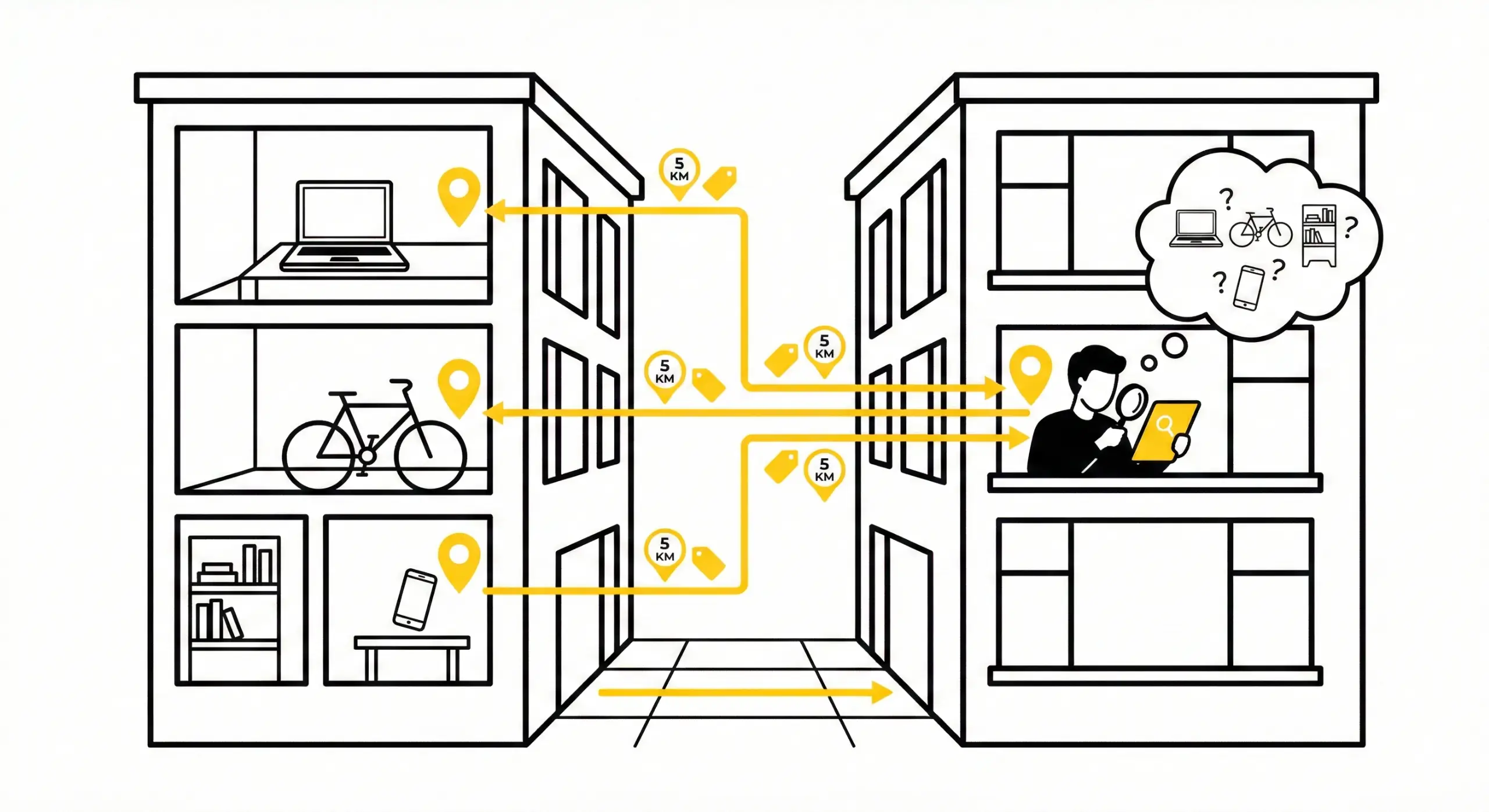
One of the practical advantages of using Sympl and similar Sympl Classifieds for local transactions is that negotiation happens between two real people in direct contact not through a platform’s automated pricing system or algorithm.
Direct buyer–seller interaction means:
- Questions get answered immediately “Is there any flexibility on price?” “Yes, I can do ₹8,500 but not lower” and the deal either happens or it does not, without days of waiting
- Context can be shared naturally a seller can explain why the price is what it is, and a buyer can explain their specific situation, in a way that a form-based national marketplace does not allow
- Trust builds through conversation a brief, honest exchange before meeting creates the basic goodwill that makes both sides more comfortable with the final transaction
On large national platforms, pricing is often fixed or managed through a bidding system with limited communication. Local classifieds like Sympl put the conversation back between two people which is where fair prices are actually reached.
In-person negotiation at the meeting:
When both parties meet at a parking lot in Kondapur, at a building lobby in Miyapur, at a café near Ameerpet the negotiation is usually already settled. The remaining conversation is about inspection, not price.
This is how it should work. Price agreed before meeting. Inspection confirms condition. Payment happens. Transaction complete. When local buyers and sellers handle negotiation this way clearly, before the meeting, with both sides committed to the agreed number the actual in-person transaction takes minutes.
Cost and Time Benefits of Handling Negotiation Well
Every hour spent in a drawn-out back-and-forth negotiation is an hour the item is not sold and not generating any value for the seller.
For sellers:
- A well-researched listing price that is fair from the start attracts genuine buyers faster and reduces the gap between listed price and final price
- Knowing your floor in advance means no wasted time with buyers who are offering below what you will ever accept you can end those conversations politely and quickly
- Selling through Sympl and similar local platforms means no commission subtracted from your negotiated price whatever you agree to is what you receive, in full
- Faster negotiation leads to faster sales which is especially valuable for items that depreciate, like electronics and appliances
For buyers:
- Low-cost buying through local classifieds already means prices are closer to real market value than national retail negotiation from that base produces genuine savings
- A fair, reasonable offer is more likely to be accepted quickly which means less time spent searching and more time with the item you actually needed
- Nearby buyers and sellers completing transactions on Sympl and other local platforms move faster than national marketplace alternatives no delivery wait, no extended approval process
The practical saving for both sides is not just financial. It is the hours not spent managing a negotiation that was never going to close, or waiting for a platform’s pricing system to surface a deal that a direct conversation could have produced in five minutes.
Who This Guidance Is Most Useful For
First-time sellers who have never negotiated a second-hand price before knowing that a low opening offer is not personal, having a floor price decided in advance, and knowing how to counter calmly are the three things that make the first sale go smoothly.
Students selling phones, laptops, or room items often negotiate with buyers who are also budget-conscious and skilled at pressing for discounts. A clear, polite counter with a brief justification works better than getting frustrated.
Working professionals selling premium electronics or two-wheelers higher value items attract more deliberate negotiators. Having a defensible listed price and a clear floor price keeps the conversation professional and efficient.
Families selling appliances or furniture often deal with buyers who make very low opening offers for larger items. Knowing that a calm counter is more effective than a defensive response keeps these negotiations productive.
First-time buyers who want to negotiate fairly without being aggressive, a reasonable opening offer with a brief explanation, an honest budget disclosure, and honouring the price agreed are the habits that build goodwill and close deals faster.
Anyone using Sympl for local buying and selling the direct message or phone conversation before a meeting is where the negotiation happens. Getting comfortable with this brief exchange, and knowing how to handle it from either side, makes every Sympl transaction smoother.
Conclusion:
The second-hand market runs on negotiation. That is not a flaw, it is one of its most practical features. Two people in the same city, dealing directly, can reach a fair price in a few messages without commissions, algorithms, or intermediaries deciding what something is worth.
The sellers who do this well are not aggressive or stubborn. They know their price, they know their floor, and they respond to offers calmly with a counter rather than a reaction. The buyers who do this well are not manipulative or exploitative. They make honest offers, they explain their reasoning briefly, and they honour what they agree to.
Using Sympl for local transactions makes this process straightforward direct conversation between two people nearby, with no platform sitting in the middle adding complexity or cost.
In a city like Hyderabad, where local buyers and sellers connect regularly through Sympl Classifieds, negotiation is a normal and expected part of the process. Handled well, it takes a few messages and ends with both sides satisfied.