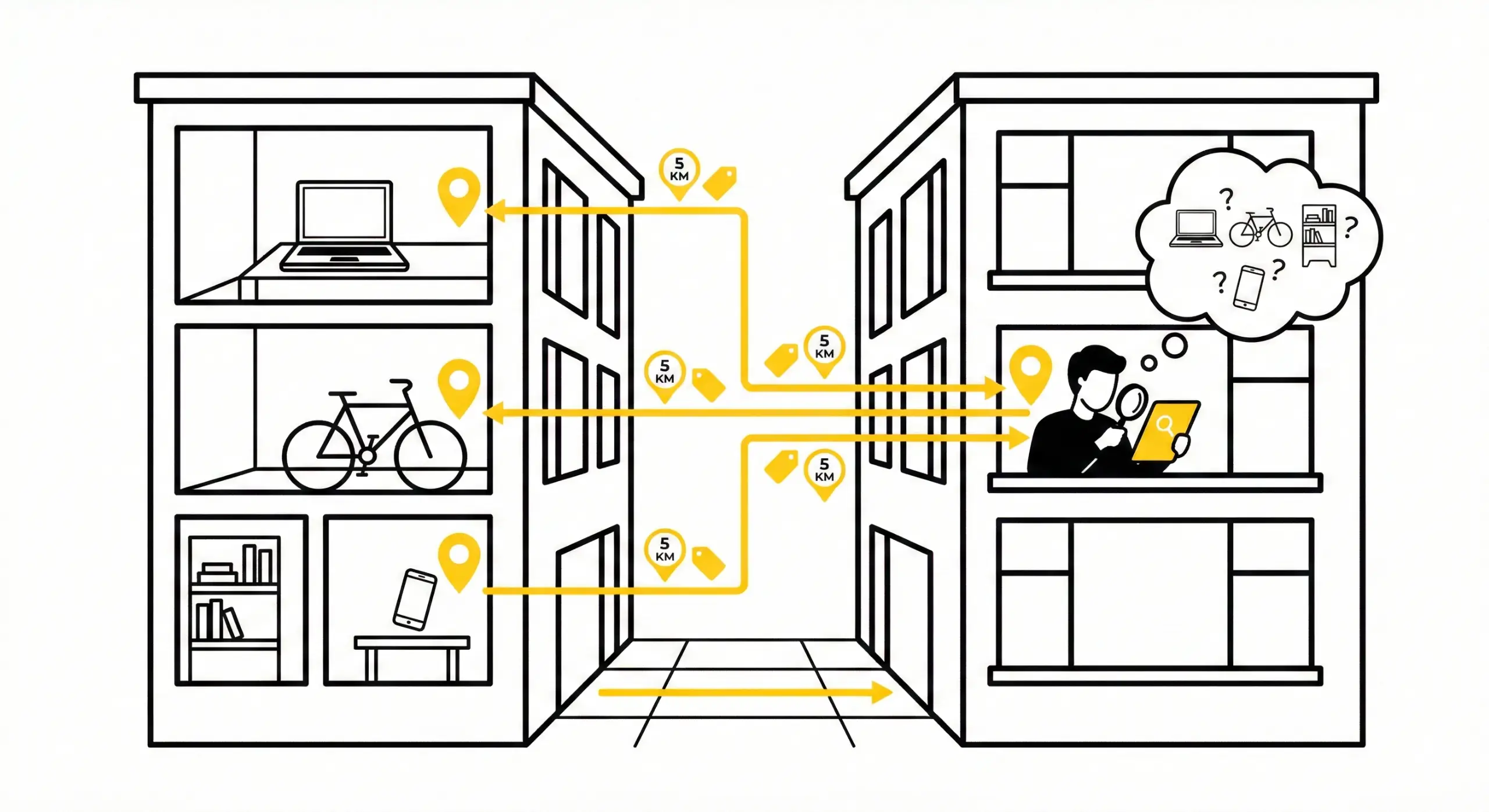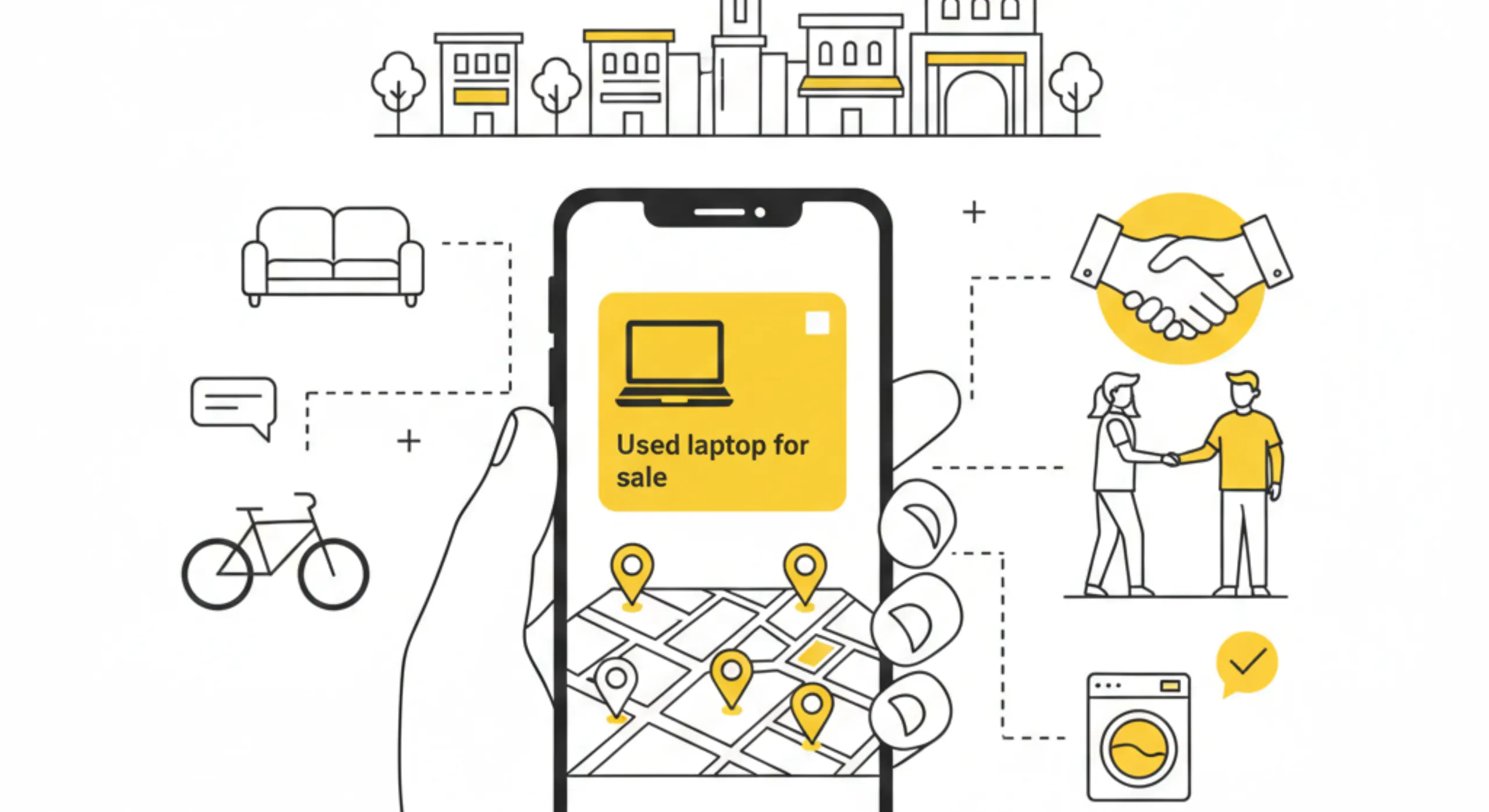



You listed your old phone on a classifieds site. Within minutes, someone messages you. They seem interested, they ask the right questions, and then they send you a link “just to confirm your details” or “to complete the payment.” You click it. And just like that, your bank account or personal information is compromised. This is not a rare situation. It happens to everyday people across India students, families, working professionals who are simply trying to buy and sell locally. The good news is that phishing in marketplace chats is predictable. Once you know the patterns, you can avoid them easily. When people talk about the best classified sites in Hyderabad or any city, safety is just as important as features. A platform that keeps interactions simple and local naturally reduces the chances of fraud.
Why Phishing Happens in Marketplace Chats
Marketplace chats are an easy target for scammers because they attract real buyers and sellers who are already expecting to exchange money and details. The setup is simple: a scammer pretends to be a genuine buyer or seller, builds a little trust, and then sends a link. The link looks real; it may even copy the look of a known payment app or bank website. But the moment you enter your details, they have what they came for. Classified platforms, particularly large and crowded ones, have thousands of conversations happening at once. It is hard to monitor every message. Scammers know this and take advantage of it.
Common Phishing Tricks You Will See in Marketplace Chats
Understanding how scammers operate is the first step to staying safe. Here are the most common patterns you will encounter:
Fake payment links: The “buyer” says they have sent payment and shares a link asking you to “claim” or “receive” the money. There is no such thing as a link to receive money. Legitimate payments come directly to your UPI ID or bank account no clicking required.
OTP requests disguised as verification: Someone asks you to share an OTP you received “to confirm your identity” or “to verify the transaction.” No legitimate buyer, seller, or platform will ever ask for your OTP. Ever.
Fake escrow or middleman services: A scammer sends a link to a fake escrow service claiming it will “hold the money safely” until delivery. These sites look professional but are built only to steal your credentials or advance payment.
Phishing through external links: You get a message like: “Check the product details here” with a link that takes you to a fake product page or login screen. If the link is not from the platform you are already using, do not open it.
Urgent tactics: “I need to complete the payment in the next 10 minutes” or “My account will expire if you don’t click now.” Urgency is a manipulation tool. Slow down whenever someone is rushing you.
Practical Steps to Stay Safe When Buying and Selling Locally
Staying safe does not require technical knowledge. It just requires a few habits.
- Never click links sent through chat: If a payment needs to happen, use your UPI app directly. Type the ID yourself.
- Do not share OTPs, CVV numbers, or net banking passwords: with anyone, regardless of how convincing they sound.
- Check the URL carefully: if you do open a link. Scammers use addresses like “paytm-verify.in” or “google-pay-claim.com” ; these are not official.
- Verify before you meet: For local deals, always confirm the item and price through the platform chat before arranging a meeting.
- Trust your instincts: If something feels off the offer is too good, the person is too eager, the story changes step back.
- Report suspicious messages: directly on the platform. This helps protect other users too.
How Simple Local Classifieds Reduce This Risk
One of the reasons phishing is more common on large, complex platforms is the distance between buyers and sellers. When you are dealing with someone across the country, there is no way to verify them. You rely on trust built through a screen and that trust can be faked.
Local classifieds work differently. When you buy and sell locally, you are often dealing with people in your own neighbourhood, your city, or even your building. The transaction is closer to a real-world exchange.
- You can meet in person before any money changes hands
- You can inspect the item yourself
- There is no need for payment links, escrow services, or “verification steps”
- Direct buyer–seller interaction keeps things straightforward
This does not mean local platforms are risk-free. Scammers operate everywhere. But simple classifieds with fewer steps naturally reduce the surface area for fraud.
Cost and Time Benefits of Keeping It Local and Simple
Beyond safety, local buying and selling just makes practical sense.
When you sell items fast to a local buyer, there is no shipping cost, no packaging hassle, no waiting for courier updates. You agree on a price, meet nearby, exchange the item and money, and you are done. For buyers, low-cost buying through local classifieds means you are not paying inflated prices or delivery fees on top of the product. A second-hand refrigerator three streets away costs less and arrives the same day. Fewer middlemen also mean fewer opportunities for someone to intercept the transaction. The simpler the process, the safer it tends to be.
Who Needs to Be Most Careful
Students: often sell laptops, books, and gadgets when moving cities or finishing a semester. They are usually in a hurry and may not always notice red flags.
Families: buying or selling furniture and appliances tend to deal in larger amounts, which makes them a higher-value target for scammers.
Working professionals: listing items during busy weeks may not take the time to verify a buyer’s identity properly.
First-time buyers and sellers: are the most vulnerable because they do not yet know what a scam looks like. If this is your first time using a classifieds platform, go slow, read every message carefully, and never skip the “does this feel right?” check.
A Few Real Situations Worth Knowing
Selling a second-hand phone: A buyer says they will pay via a special link because “UPI is down.” UPI is never fully down. Decline and offer your UPI ID directly.
Buying furniture: A seller asks for a “small booking amount” through a link before you have even seen the item in person. Do not pay anything before physically verifying the item.
Renting out a bicycle or vehicle: Someone sends a “rental agreement” link to a Google Form asking for Aadhaar and bank details. This is a data harvesting attempt.
In every case, the solution is the same: slow down, use the platform’s own chat, and never follow an external link.
Conclusion:
Phishing in marketplace chats is a real problem, but it is not an unavoidable one. Most scams work because they create urgency, confusion, or false trust. When you take a moment to think clearly, the warning signs are usually obvious. The safest transactions are the simplest ones local, direct, in person, and on a platform you trust. That is why so many people searching for The Best Classified Sites in Hyderabad are increasingly choosing platforms like Sympl, where the focus is on straightforward local connections rather than complicated processes that leave room for fraud. Buy and sell locally. Keep your conversations on the platform. Never share sensitive details. And if something feels wrong, it probably is.
That calm, careful approach will protect you far better than any technical tool.