


You’ve got an old laptop sitting unused. Or maybe a sofa that doesn’t fit your new flat. You want to sell it, pocket some cash, and move on.
But where do you list it? Big marketplaces feel crowded. Your ad gets lost among thousands. Replies are slow. Some buyers are from different cities. Others want heavy discounts before even seeing the item.
It shouldn’t be this complicated.
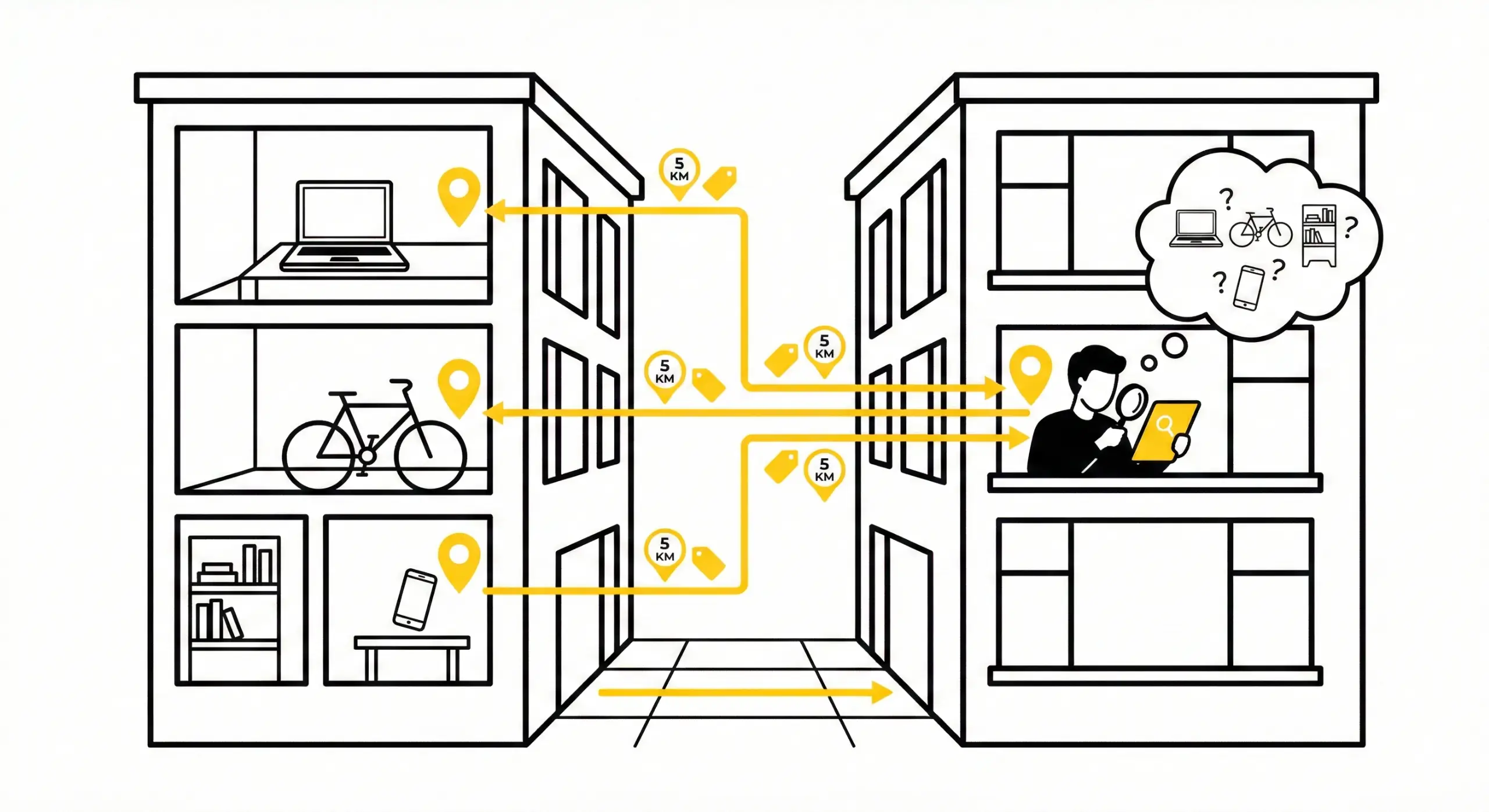
In tier-2 cities across India—places like Indore, Nagpur, Coimbatore, Jaipur, Ludhiana—people prefer straightforward deals. Local buyers. Quick meetups. Fair prices. No endless back-and-forth.
This is where simple classifieds work better. Direct listings. Nearby buyers and sellers. Faster responses. Less noise.
This blog explains practical ways to buy and sell locally, save time and money, and avoid common mistakes that slow things down.
Why Selling Unused Items Feels Harder Than It Should
Most people don’t sell items because the process feels too much work.
You have to click good photos. Write descriptions. Choose categories. Wait for replies. Answer the same questions repeatedly. Deal with lowball offers. Coordinate meetups with people who ghost you.
On crowded platforms, your listing competes with professional resellers and bulk sellers. Your single bicycle ad sits next to someone selling fifty bikes. Visibility drops. Responses slow down.
In tier-2 cities, this problem gets worse. Fewer active users mean fewer views. Algorithms favour metro city listings. Your Nashik furniture ad might show up for someone in Pune who’ll never actually come to collect it.
What you need is simple: a local buyer who sees your ad, likes the price, and shows up.
Practical Buying and Selling Practices That Actually Work
Here’s what makes local transactions smoother in tier-2 cities.
Keep listings simple and honest
You don’t need fancy descriptions or marketing language.
State what you’re selling. Mention the condition clearly. Add your asking price. Upload 2-3 decent photos.
Honest listings get faster responses. If your phone has a scratch, mention it. Buyers appreciate transparency. It builds trust before you even meet.
Price items realistically
Check what similar items are selling for locally. Not in Mumbai or Delhi—in your city.
A second-hand refrigerator in Vijayawada won’t fetch the same price as one in Bangalore. Adjust for local demand and condition.
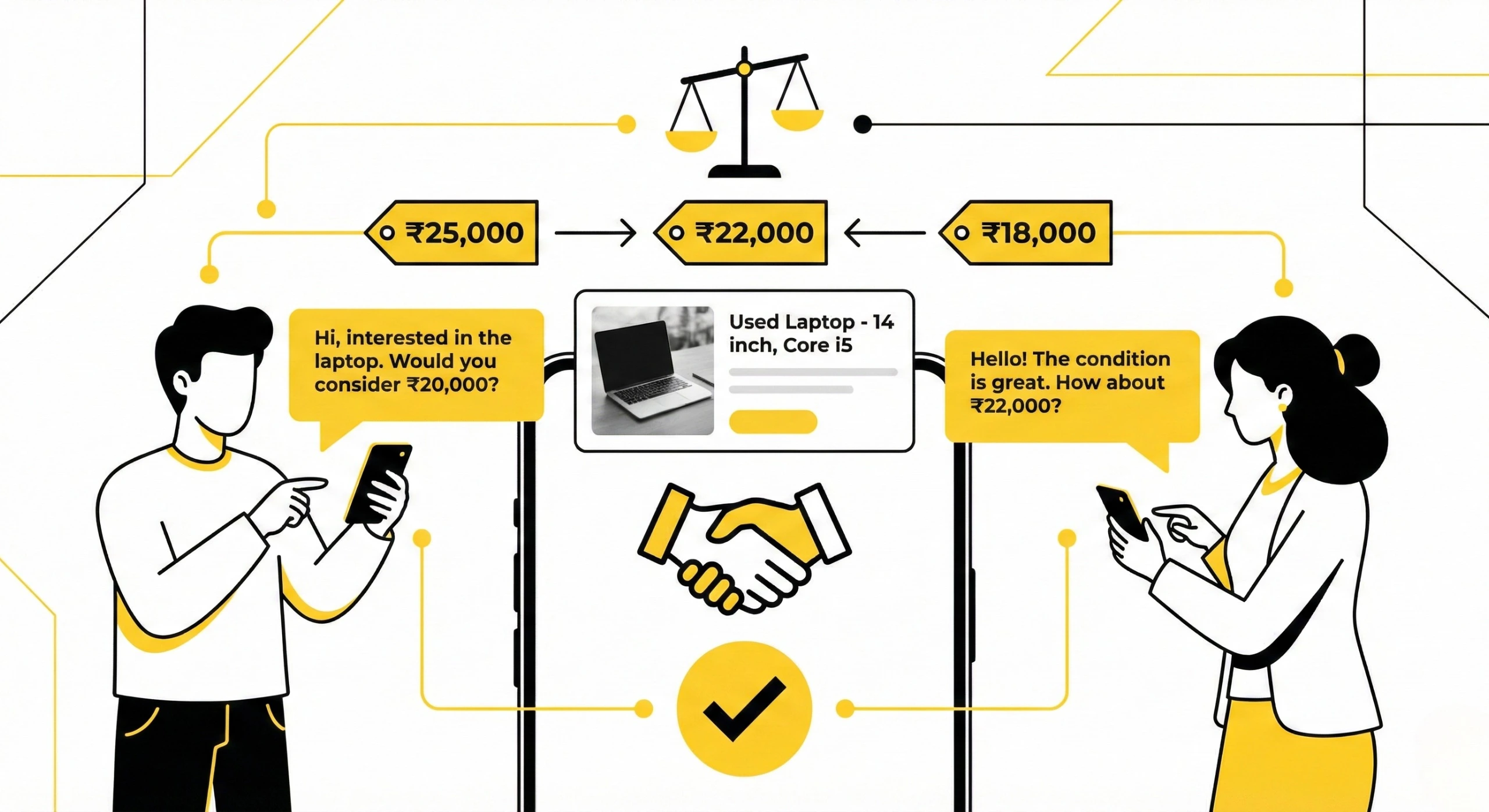
Overpricing kills interest. Underpricing wastes your money. Find the middle ground based on actual local prices.
Respond quickly to interested buyers
In tier-2 cities, buyers often contact 2-3 sellers for the same item. First one to respond usually closes the deal.
Check messages regularly. Answer questions directly. Don’t leave people waiting for hours.
Fast replies show you’re serious. It filters out time-wasters and attracts genuine buyers.
Meet locally and safely
Pick public spots for meetups—a nearby café, petrol pump, or market area.
Avoid sharing your exact home address with strangers. Bring a friend if selling high-value items. Inspect the item together before finalising payment.
Local deals mean shorter travel. Both parties save time and fuel costs.
Accept cash or trusted payment methods
UPI has made transactions easier, but some people still prefer cash for second-hand purchases.
Be flexible. Let the buyer choose. Just verify payment before handing over the item.
Avoid complex payment plans or advance deposits unless you know the person well.
How Local Classifieds Simplify the Process
Unlike large marketplaces, simple classifieds focus on one thing: connecting nearby buyers and sellers directly.
No algorithms deciding who sees your ad. No premium listings pushing your post down. No middlemen taking cuts.
You list. Local people see it. They reach out. You meet and close the deal.
Direct buyer-seller interaction
No chat systems with delays. No platform-managed negotiations. Just direct contact between two people who want to make a deal.
This speeds everything up. You discuss price, condition, and meetup details in one conversation.
Fewer steps from listing to sale
Post your ad. Get contacted. Meet up. Sell.
That’s it. No verification steps. No shipping arrangements. No courier coordination.
For items like furniture, bikes, or appliances, this matters. You want them gone quickly. You don’t want to become a logistics manager.
Better for bulky or location-specific items
Try selling a dining table or a washing machine on a national platform. You’ll get inquiries from people 300 km away asking if you can arrange transport.
Local buyers know they need to collect it themselves. Expectations are clear from the start.
Cost and Time Benefits You Actually Notice
Buying and selling locally isn’t just convenient—it saves real money and hours.
No inflated pricing
Big platforms often have sellers marking up prices to account for platform fees, shipping, or simply because they’re professionals.
Local sellers are usually individuals clearing out items. Prices reflect actual value, not business margins.
Nearby transactions cut travel costs
Meeting someone 5 km away costs you ₹50 in fuel or auto fare. Meeting someone across the city costs ₹200-300 and two hours of your day.
When buyers and sellers are nearby, both save money and time.
Faster turnover
On crowded marketplaces, your listing might sit for weeks before the right buyer finds it.
In a focused local classifieds setup, interested buyers spot it faster. Your phone sells in three days instead of three weeks.
That’s money back in your pocket sooner. Or space cleared in your home faster.
Who Benefits Most from Local Buying and Selling
Students
Need affordable textbooks, cycles, or hostel furniture. Selling items before changing cities or graduating.
Local deals mean quick cash and no shipping hassles.
Families
Upgrading furniture or appliances. Kids outgrowing toys, clothes, or study tables.
Buying locally saves money. Selling locally clears space without drama.
Working professionals
Relocating for jobs. Selling bikes, laptops, or home items before moving.
Time is limited. Local buyers who show up on weekends work best.
First-time online sellers
People who’ve never posted an ad before. Don’t want complicated platforms or confusing rules.
Sympl classifieds feel less intimidating. List, wait, sell.
Budget-conscious buyers
Looking for functional items at low cost. Don’t need a brand new. I just need it to work.
Second-hand markets in tier-2 cities offer great value if you know where to look.
Common Mistakes to Avoid
Even sympl transactions can go wrong if you’re not careful.
Don’t skip photos. Listings without images get ignored. People want to see what they’re buying.
Don’t be vague about the condition. “Good condition” means different things to different people. Be specific. Scratches, dents, working issues mention them upfront.
Don’t ignore lowball offers rudely. Politely decline or counter-offer. You never know they might come back with a better price later.
Don’t delay meetups indefinitely. If someone’s ready to buy, fix the time quickly. Delays often mean lost sales.
Don’t hand over items before payment. Seems obvious, but people get tricked. Payment first, item second.
Making the Most of Local Classifieds
Here’s how to get better results consistently.
Post during active hours. Evenings and weekends see more activity. Your ad gets noticed faster.
Refresh listings occasionally. If your item hasn’t sold in a week, update the post or adjust the price slightly.
Be reachable. Provide a working phone number. Respond to calls and messages promptly.
Write clear headlines. “Sofa set 3+2, good condition, ₹8000” works better than “Selling furniture”.
Use local landmarks in descriptions. “Near Sadar Bazaar” or “Behind Civil Hospital” helps buyers understand location instantly.
Why Simplicity Wins in Tier-2 Cities
People in tier-2 cities value straightforward transactions. No frills. No complexity. Just fair deals between real people.
Large platforms try to be everything for everyone. That creates clutter. Your single mobile phone ad competes with electronics stores, refurbished resellers, and international sellers.
Sympl local classifieds strip away the noise. They focus on what matters: connecting you with someone nearby who wants what you’re selling.
No algorithms. No sponsored posts. No premium memberships.
Just a clean list of items, clear prices, and direct contact details.
Final Thoughts
Buying and selling locally isn’t about finding the cheapest deal or the highest price. It’s about convenience, trust, and speed.
It’s selling your old bike in two days instead of two weeks.
It’s buying a study table from someone three streets away instead of coordinating delivery from another city.
It’s keeping transactions sympl, local, and human.
In 2026, as tier-2 cities grow and more people buy and sell online, the platforms that win will be the ones that respect people’s time and intelligence.
Not the ones with the flashiest features. Not the ones with the biggest ad budgets.
The ones that make it easy to list an item, find a local buyer, meet up, and close the deal.
Because sometimes, the symplest solution is the best one.