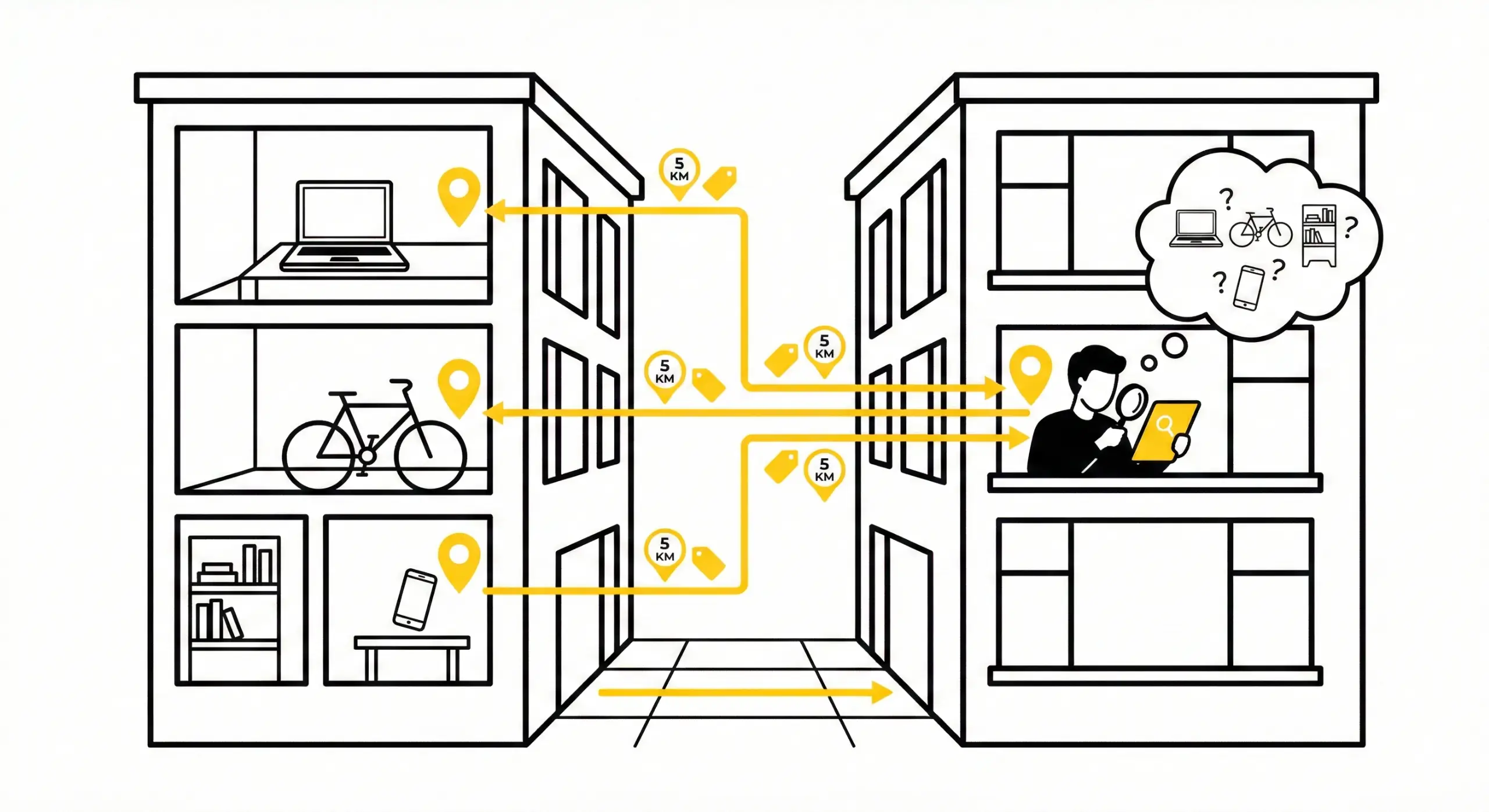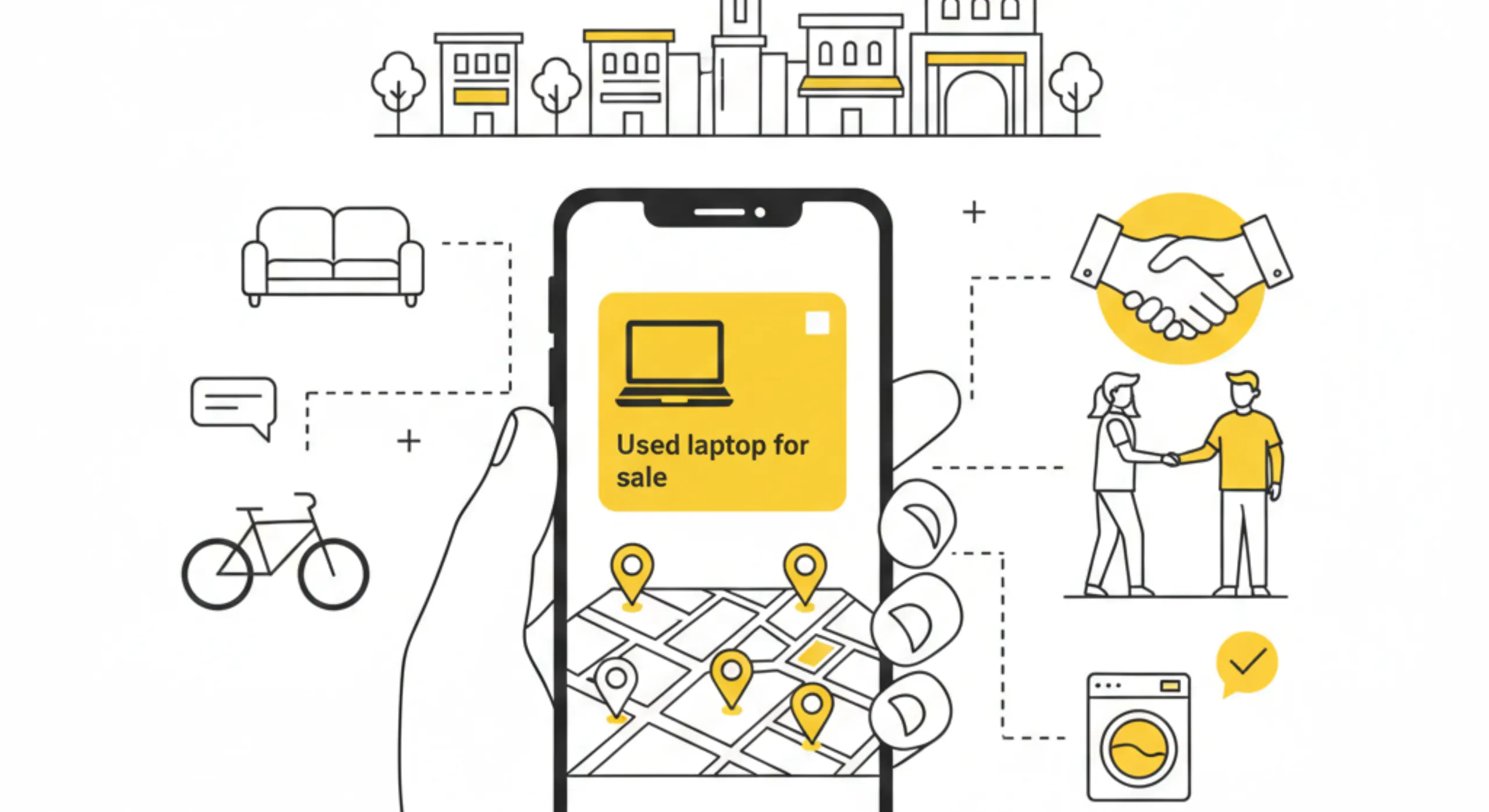



You’ve found the perfect used laptop. The seller is asking ₹18,000. You think ₹15,000 is fair. But you don’t want to lowball and offend them. You also don’t want to overpay.
So you type a message, delete it, retype it, and eventually just ask “lowest price?” The seller says ₹17,500. You’re not sure if that’s final or if there’s room to go lower. The conversation stalls.
Negotiating prices feels awkward for most people. You don’t want to seem cheap, pushy, or disrespectful. But you also want a fair deal, especially when you buy and sell locally. The good news is that negotiation doesn’t have to be complicated or uncomfortable. With the right approach, you can reach a price that works for both sides quickly and politely.
Sympl classifieds make negotiation easier because you’re dealing directly with the person who owns the item. No corporate policies, no fixed pricing, just two people finding common ground.
Why Price Negotiation Feels Difficult
Most people avoid negotiating because they’re unsure how to start or worried about how they’ll come across. Here’s what makes it tricky:
Fear of offending the seller. You don’t want to insult someone by offering too little, especially if they seem firm on the price.
Uncertainty about fair value. You’re not sure if the asking price is reasonable or inflated, so you don’t know how much to counter.
Lack of confidence. Negotiation feels like a skill you need to learn, not something that comes naturally.
Cultural hesitation. Many people in India are taught to be polite and non-confrontational, which makes bargaining feel uncomfortable even though it’s a normal part of buying second-hand items.
The result? Buyers either pay the full asking price or walk away. Sellers either hold firm and wait longer or drop the price too quickly out of desperation.
Both sides lose when negotiation doesn’t happen properly.
Understanding Fair Pricing in Local Buying and Selling
Before you negotiate, you need a sense of what’s reasonable. Fair pricing depends on a few factors:
Condition of the item. A phone with scratches and average battery life isn’t worth the same as one that’s like new.
Age and usage. A two-year-old washing machine that’s been serviced regularly holds more value than a five-year-old one with no maintenance history.
Market availability. If similar items are easy to find, prices tend to be lower. If something is rare or in high demand, sellers have more leverage.
Original price and depreciation. Electronics, bikes, and furniture lose value over time. A fair price accounts for how much the item has depreciated since purchase.
When you buy and sell locally, you can see what others are asking for similar items in your area. A quick search gives you a realistic price range to work with.
Practical Negotiation Strategies That Actually Work
Negotiating isn’t about winning or losing. It’s about finding a price both people are comfortable with. Here’s how to do it without awkwardness.
1. Start With Research
Before you message the seller, check what similar items are listed for. If most used bikes in your area are priced between ₹20,000 and ₹25,000, and someone is asking ₹30,000, you know there’s room to negotiate.
If the asking price is already at the lower end of the range, don’t push too hard. The seller is being fair.
2. Open With Genuine Interest
Start the conversation by showing you’re serious. Ask about condition, usage, or availability before jumping to price.
“Hi, is the dining table still available? Can you share more photos of the top surface and legs?”
This builds rapport. Sellers are more willing to negotiate with buyers who seem genuinely interested, not just bargain hunters.
3. Mention What You’ve Seen in the Market
Instead of randomly offering a lower price, explain why you think a different number makes sense.
“I’ve been looking at similar tables in the area, and most are priced around ₹6,000–₹7,000. Would you consider ₹6,500?”
This shows you’ve done your homework. It’s not a random lowball, it’s an informed counteroffer.
4. Point Out Condition Issues (Politely)
If the item has visible wear, mention it as part of your reasoning.
“The fridge looks good, but since the door seal needs replacing and it’s five years old, would ₹8,000 work instead of ₹10,000?”
You’re not criticizing, you’re factoring in repair or replacement costs.
5. Ask “What’s Your Best Price?” Thoughtfully
This is a common phrase in India, but it works better when you’ve already engaged in conversation. If you lead with this, it can feel transactional.
Use it after you’ve asked questions and shown interest:
“I’m definitely interested. What’s the best price you can offer?”
It signals you’re ready to buy, not just browsing.
6. Offer a Reason for Your Budget
If you have a specific budget, mention it. People are more flexible when they understand your constraints.
“I’m a student and my budget is around ₹12,000. I know you’re asking ₹14,000, but is there any room to work with my range?”
Honesty often gets you further than vague haggling.
7. Be Ready to Meet in the Middle
If the seller counters your offer, consider splitting the difference.
You offer ₹10,000. They counter with ₹12,000. You suggest ₹11,000. Most reasonable sellers will accept this as a fair compromise.
8. Know When to Walk Away
If the seller is firm and the price doesn’t fit your budget, it’s okay to pass. Thank them politely and move on.
“I understand. It’s a bit out of my range right now, but thanks for considering. If you’re open to ₹10,000 later, feel free to let me know.”
Sometimes sellers circle back after a few days if they haven’t found another buyer.
Sample Scripts for Common Negotiation Scenarios
When the Price Seems Too High
“Hi, is the microwave still available? I’m interested, but I’ve seen similar models listed for around ₹3,500–₹4,000. Would you consider ₹3,800?”
When There’s Visible Wear
“The sofa looks great, but I noticed the cushion covers are a bit worn. Since I’ll need to replace them, would ₹7,000 work instead of ₹9,000?”
When You’re on a Tight Budget
“I really like the cycle, but my budget is ₹5,000. I know you’re asking ₹6,500—is there any flexibility?”
When You Want to Close the Deal Quickly
“I can come pick up the cooler today if you’re okay with ₹2,500. Does that work?”
When the Seller Counters Your Offer
“I understand ₹11,000 is your counter. How about we meet at ₹10,500? I’m ready to collect it this weekend.”
How Local Classifieds Make Negotiation Easier
When you buy and sell locally through Syimpl classifieds, negotiation happens directly between buyer and seller. There are no automated pricing tools, no algorithm-driven suggestions, and no corporate middlemen.
This makes the process more human and flexible.
You’re talking to the actual owner. They know the item’s history and can explain its value. They’re also more willing to adjust the price if you’re respectful and reasonable.
Deals happen faster. When both sides can message back and forth without delays, you reach an agreement quickly.
Local context matters. Sellers often adjust prices based on urgency. If they’re moving cities next week, they’re more flexible than someone who’s in no hurry.
No hidden fees. What you negotiate is what you pay. No platform charges, delivery fees, or surprise costs.
Sympl classifieds work because they allow real conversations, not rigid transactions.
Negotiating as a Seller: How to Handle Price Discussions
If you’re selling, negotiation is just as important. Here’s how to handle it without frustration.
1. Price Slightly Higher Than Your Target
If you want ₹8,000, list at ₹9,000 or ₹9,500. This gives you room to negotiate down while still getting the price you need.
2. Explain Your Pricing
If someone asks why you’re charging a certain amount, be transparent.
“I bought this mixer for ₹7,000 two years ago, and it’s been serviced recently. I’m asking ₹4,500 because it’s in great condition and comes with all attachments.”
3. Stay Firm on Fair Pricing
If you’ve already priced competitively, don’t feel pressured to drop further. Politely explain your reasoning.
“I’ve checked similar listings, and this is priced fairly for the condition. I’m not able to go lower, but I can include the original box if that helps.”
4. Recognize Serious Buyers
Buyers who ask detailed questions, respond quickly, and make reasonable offers are worth negotiating with. People who only ask “lowest price?” without engagement often aren’t serious.
Focus your energy on buyers who seem genuinely interested.
5. Be Willing to Walk Away Too
If someone keeps pushing for an unrealistic price, it’s okay to decline politely.
“I understand your budget, but I’m not able to go that low. Thanks for your interest, and good luck with your search.”
You’ll find someone willing to pay what your item is worth if you’re patient.
Cost and Time Benefits of Smart Negotiation
Good negotiation saves both time and money for everyone involved.
For buyers:
- Get items at fair prices without overpaying
- Avoid wasting time on overpriced listings
- Build trust with sellers through respectful communication
For sellers:
- Sell items fast without waiting for someone to pay the full asking price
- Avoid endless back-and-forth with unrealistic buyers
- Close deals confidently knowing both sides are satisfied
When you buy and sell locally, negotiation isn’t a battle, it’s a practical conversation. Both sides want the same thing: a fair deal that doesn’t waste anyone’s time.
Who Benefits Most From Learning Negotiation Skills?
Students
Buying textbooks, gadgets, or furniture on a limited budget. Knowing how to negotiate politely helps stretch every rupee further.
Families
Selling baby gear, appliances, or old furniture. Understanding how to handle price discussions makes selling less stressful and more predictable.
Working Professionals
Relocating frequently and need to buy or sell bikes, electronics, and household items. Efficient negotiation speeds up the entire process.
First-Time Buyers or Sellers
If you’ve never negotiated before, starting with Sympl classifieds is easier than navigating complex marketplaces. The conversations are direct, and there’s less pressure.
Final Thoughts
Negotiating prices doesn’t have to feel uncomfortable or confrontational. It’s just two people finding a fair middle ground based on the item’s value, condition, and both sides’ needs.
The key is to be respectful, informed, and clear about what you’re willing to pay or accept. When you approach negotiation as a conversation instead of a competition, it becomes easier and often faster.
Whether you’re buying a used phone or selling an old dining table, the principles are the same: do your research, communicate honestly, and stay flexible where it makes sense.
Low-cost buying and selling work best when both sides feel good about the deal. That’s what smart negotiation achieves and it’s a skill anyone can learn with a little practice.