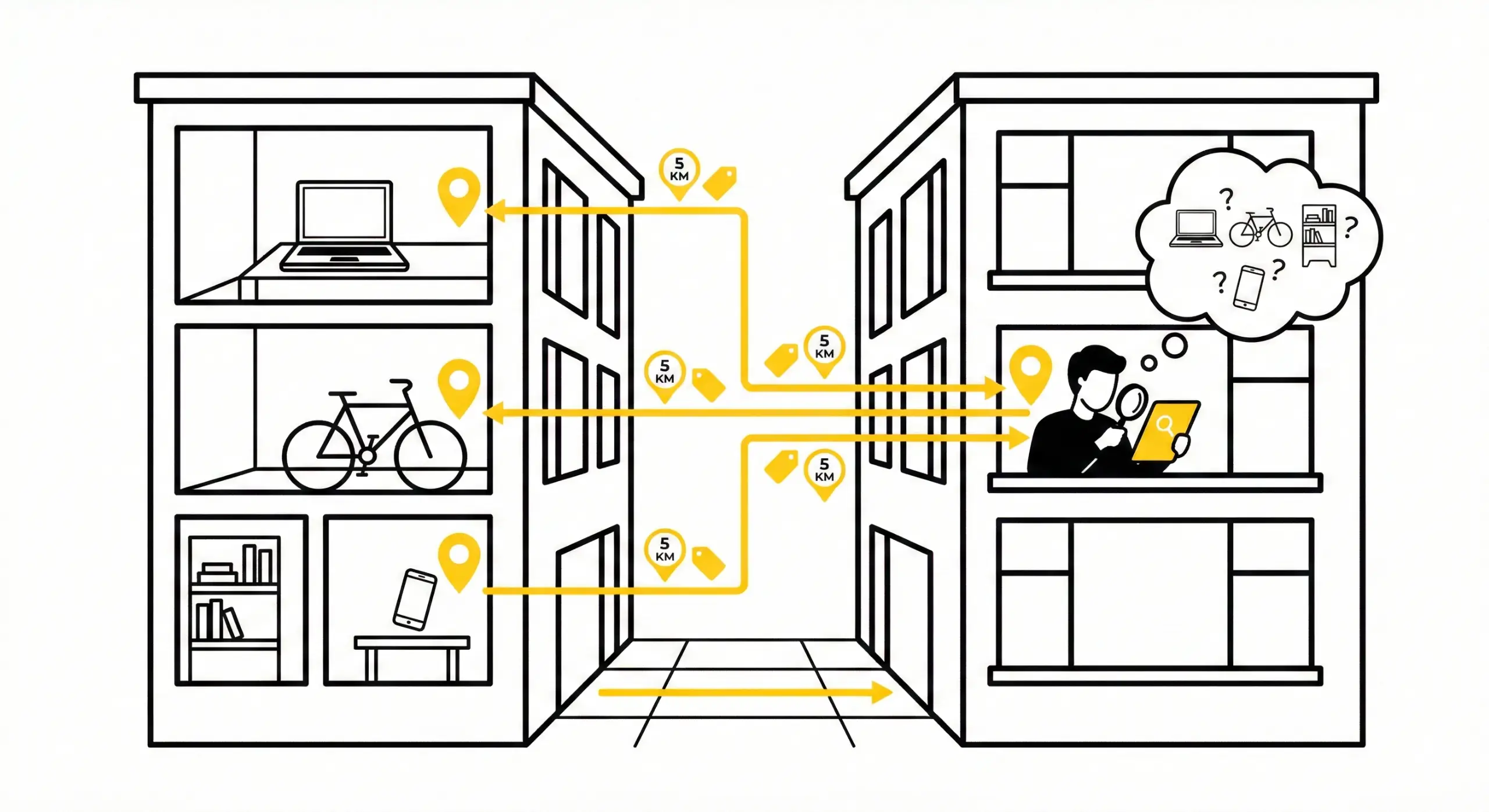



You’ve posted an ad for your old laptop. Within hours, you get a message: Interested. Send your address and account details for advance payment.
Something feels off, but you’re not sure what. Should you share your address? Is advance payment normal? How do you respond without seeming rude or losing a potential buyer?
Communicating with strangers online requires caution. Many platforms connect you with buyers or sellers but offer no guidance on how to interact safely. You’re left figuring it out on your own, often making mistakes that lead to scams or uncomfortable situations.
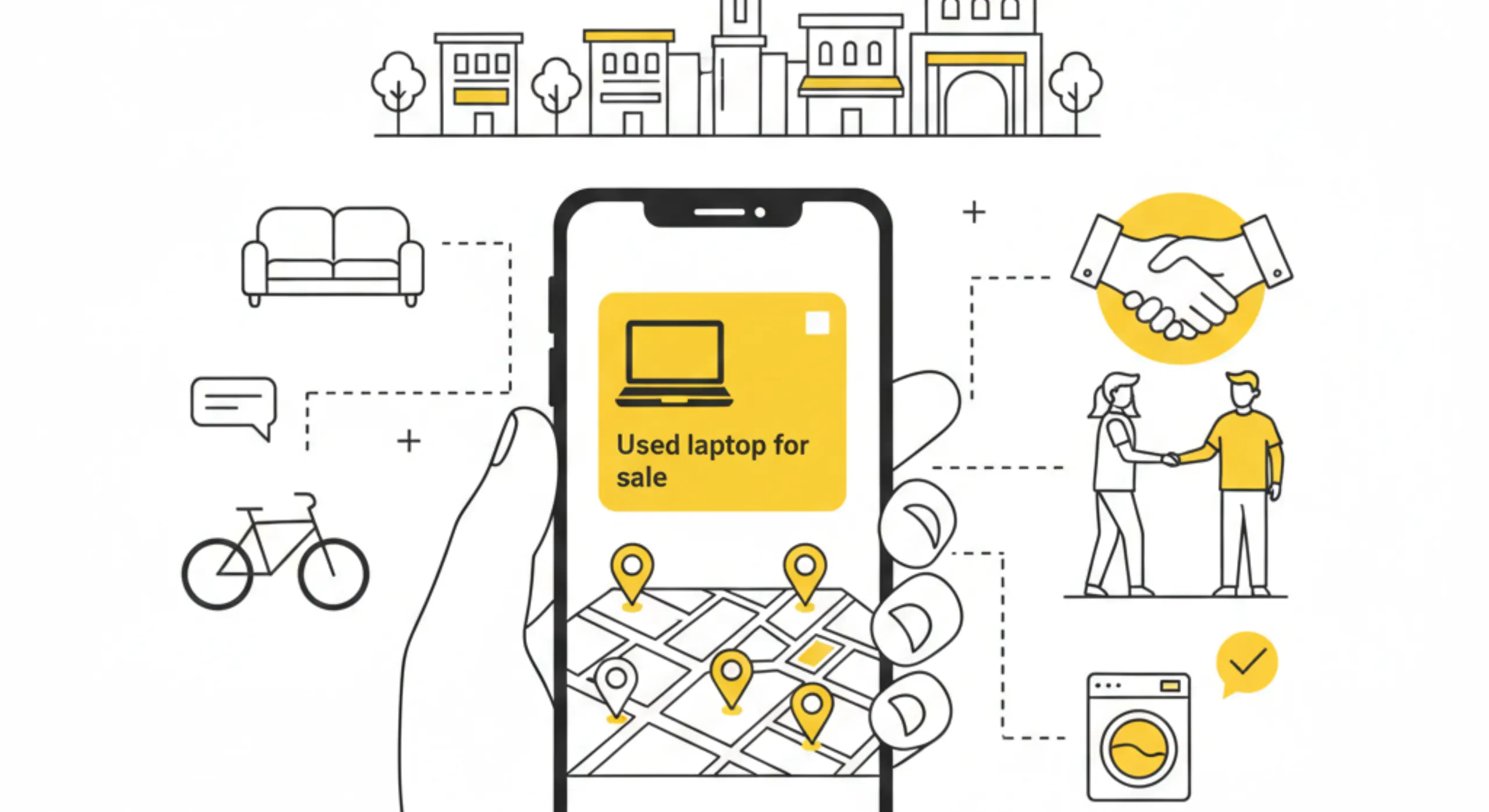
Local buying and selling through Sympl classifieds simplifies this process. When you deal with nearby buyers and sellers, communication stays focused on meeting locally and verifying in person. This reduces risk and keeps interactions straightforward.
Why Safe Communication Matters in Peer-to-Peer Transactions
Every message you exchange reveals something about your location, availability, urgency to sell, or willingness to negotiate.
Scammers and dishonest buyers use this information to manipulate you. They create urgency, ask for personal details, or pressure you into decisions before you’ve had time to think.
Even well-meaning people can overstep boundaries. They might ask intrusive questions, expect immediate responses at odd hours, or try to negotiate aggressively through endless messages.
Without clear communication boundaries, simple transactions become stressful. You spend more time managing conversations than actually completing deals.
Safe communication isn’t about being paranoid. It’s about setting clear expectations, protecting your privacy, and ensuring that interactions remain respectful and productive.
Essential Rules for Initial Contact
The first few messages set the tone for the entire transaction. Handle them carefully.
Never Share Personal Details Immediately
Don’t give out your full address, bank account details, or personal identification in early messages.
A genuine buyer or seller doesn’t need this information upfront. They need basic details about the product condition, price, availability, and general location.
If someone asks for your exact address or financial information before you’ve even agreed to meet, that’s a red flag. Politely decline or ignore the message.
Your general locality is fine to share. “Near Koramangala” or “South Delhi area” gives buyers enough information to decide if they want to proceed without compromising your privacy.
Keep Conversations Focused on the Product
Stick to relevant questions: What’s the condition? When was it purchased? Are there any defects? Can we meet to see it?
If someone starts asking unrelated personal questions about what you do for a living, whether you live alone, your daily routine ends the conversation. These details have nothing to do with buying or selling.
Scammers sometimes build rapport before attempting fraud. They chat casually, seem friendly, then gradually introduce suspicious requests. Stay focused on the transaction.
Use the Platform’s Messaging System
Many platforms offer in-app messaging. Use it instead of immediately switching to WhatsApp, phone calls, or email.
Platform messages create a record of your conversation. If something goes wrong, you have proof of what was discussed.
Once you’ve confirmed basic details and decided to proceed, you can move to direct communication. But in the initial stages, keep interactions within the platform.
Verify the Buyer or Seller’s Profile
Before responding in detail, check their profile. Do they have a name, location, or any past transaction history?
A blank profile with no details suggests either a new user or someone who doesn’t want to be identified. Proceed cautiously with such accounts.
If they have reviews or a complete profile, that’s reassuring. It doesn’t guarantee honesty, but it’s a positive sign.
Red Flags in Messages That Signal Potential Scams
Certain phrases and requests are almost always signs of dishonest intent.
Requests for Advance Payment
No genuine local buyer asks for advance payment before seeing the product.
If someone offers to pay extra for “urgent delivery” or asks you to ship the item after receiving a bank transfer, it’s a scam. They’ll either send fake payment confirmations or reverse the transaction after you’ve sent the item.
Local transactions work on a simple principle: meet, verify, exchange. Money changes hands only when both parties are present and satisfied.
Overly Complicated Payment Methods
“I’ll send a courier for the item.” “My payment gateway will transfer funds.” “Use this app to receive money.”
Genuine buyers don’t complicate payments. They bring cash or use standard, widely trusted methods like UPI or bank transfers after meeting you and inspecting the product.
If someone suggests an unfamiliar payment app or a convoluted process, refuse. Stick to methods you understand and trust.
Extreme Urgency or Pressure
“I need this today.” “Send your account number now or I’ll buy from someone else.” “Other buyers are waiting, so decide fast.”
Real buyers and sellers understand that transactions take time. They’re willing to wait for you to verify, think, and arrange a meeting.
Anyone pressuring you to act immediately is either dishonest or unreasonably impatient. Either way, not someone you want to deal with.
Vague or Evasive Answers
Ask a direct question: “Can we meet this Saturday at 4 PM near the metro station?”
If the response is vague “Maybe, I’ll let you know” or “I’m busy, can you come to my place instead?” they’re either not serious or avoiding something.
Honest buyers and sellers answer clearly. They confirm or suggest alternatives. They don’t dodge straightforward questions.
How to Set Clear Communication Boundaries
Protecting yourself doesn’t mean being rude. You can stay polite while maintaining firm boundaries.
Respond During Reasonable Hours
You’re not obligated to reply to messages at midnight or early morning. Set your own availability and stick to it.
If someone expects instant responses at all hours, they’re not respecting your time. A simple “I’ll respond to messages between 10 AM and 8 PM” sets expectations clearly.
Be Direct About Your Conditions
If you only accept cash payments, say so upfront. If you prefer meeting in public places, mention it in your first reply.
Clear communication prevents misunderstandings later. Buyers and sellers who agree to your terms are more likely to follow through smoothly.
Don’t Feel Obligated to Negotiate Endlessly
Some buyers will message repeatedly, offering lower and lower prices, hoping you’ll eventually give in.
You’re free to decline. A polite “Sorry, my final price is X” is enough. If they keep pushing, stop responding.
Your time has value. Don’t waste it on people who aren’t genuinely interested in buying at a reasonable price.
How Local Buying and Selling Makes Communication Safer
When you buy and sell locally, the entire communication process becomes more straightforward.
There’s no need for elaborate back-and-forth about shipping, payment gateways, or delivery timelines. The conversation is simple: What’s the product? What’s the price? When and where can we meet?
Sympl classifieds focus on nearby buyers and sellers, which naturally limits the scope of conversation. You’re not dealing with strangers from other cities or states. You’re connecting with people in your area who can meet you in person.
This local context adds a layer of accountability. Both parties know they’ll be meeting face-to-face. That discourages dishonest behaviour and keeps communication respectful.
There’s no anonymity to hide behind. You’re dealing with real people from your own community, which makes scams and aggressive behaviour far less common.
Cost and Time Benefits of Safe Communication
When you communicate clearly and safely, transactions close faster.
You don’t waste time with scammers who were never going to buy. You don’t get stuck in endless negotiations with people who aren’t serious. You connect with genuine buyers or sellers, confirm details, and meet.
This efficiency saves money too. You’re not paying shipping fees, dealing with return costs, or losing money to fraud. The entire process stays local, direct, and low-cost.
Safe communication also means fewer misunderstandings. When expectations are clear from the start, both parties show up prepared, the deal goes smoothly, and everyone leaves satisfied.
Who Benefits Most from Safe Communication Practices
Students buying or selling gadgets, bikes, or textbooks often interact with strangers for the first time. Clear communication rules help them avoid scams and stay safe.
Families selling furniture, appliances, or kids’ items want quick, hassle-free deals. Setting boundaries early ensures they don’t waste time with unreliable buyers.
Working professionals who can’t afford long, complicated negotiations benefit from direct, focused conversations. They prefer buyers and sellers who respect their time and communicate clearly.
First-time sellers or buyers feel more confident when they know how to handle messages safely. Understanding red flags and communication boundaries reduces anxiety and prevents costly mistakes.
Anyone who values straightforward, respectful interactions will find that safe communication makes local buying and selling far more pleasant.
Practical Tips for Staying Safe During Communication
Here are some additional steps to protect yourself throughout the conversation.
Trust your instinct. If a message makes you uncomfortable, even if you can’t explain why, trust that feeling. You’re not obligated to continue the conversation.
Don’t share financial desperation. Avoid saying things like “I urgently need money” or “I’ll sell at any price.” This invites lowball offers and exploitation.
Confirm details before meeting. Before you agree to meet, confirm the time, place, and what the buyer or seller expects. This prevents confusion and last-minute changes.
Bring someone along if needed. If you’re meeting a buyer or seller for the first time, especially for high-value items, consider bringing a friend. It’s not paranoia, it’s sensible caution.
End conversations that feel wrong. If someone becomes aggressive, rude, or continues ignoring your boundaries, stop responding. You don’t owe anyone an explanation.
Why Sympl Encourages Direct, Local Interactions
Complex platforms create distance between buyers and sellers. They rely on algorithms, ratings, and intermediaries to establish trust.
Sympl keeps it straightforward. The focus is on local buyers and sellers who communicate directly and meet in person.
This simplicity reduces the need for elaborate safety mechanisms. When both parties know they’ll be meeting face-to-face in a public place, communication naturally stays respectful and honest.
There’s no complex verification process, no third-party involvement, and no drawn-out negotiations. Just clear, focused conversations that lead to real transactions.
Final Thoughts
Communicating safely with unknown buyers or sellers isn’t complicated. It requires basic caution, clear boundaries, and a willingness to walk away from suspicious interactions.
Never share personal details immediately. Keep conversations focused on the product. Watch for red flags like advance payment requests, pressure tactics, or vague answers. Use the platform’s messaging system until you’re confident about proceeding.
Local buying and selling platforms like Sympl make safe communication easier. When you deal with nearby buyers and sellers, interactions stay simple, direct, and grounded in the expectation of meeting in person.
Stay alert, trust your instinct, and don’t feel obligated to continue conversations that make you uncomfortable. When you buy and sell locally with Sympl classifieds and clear communication, transactions become faster, safer, and far more straightforward.