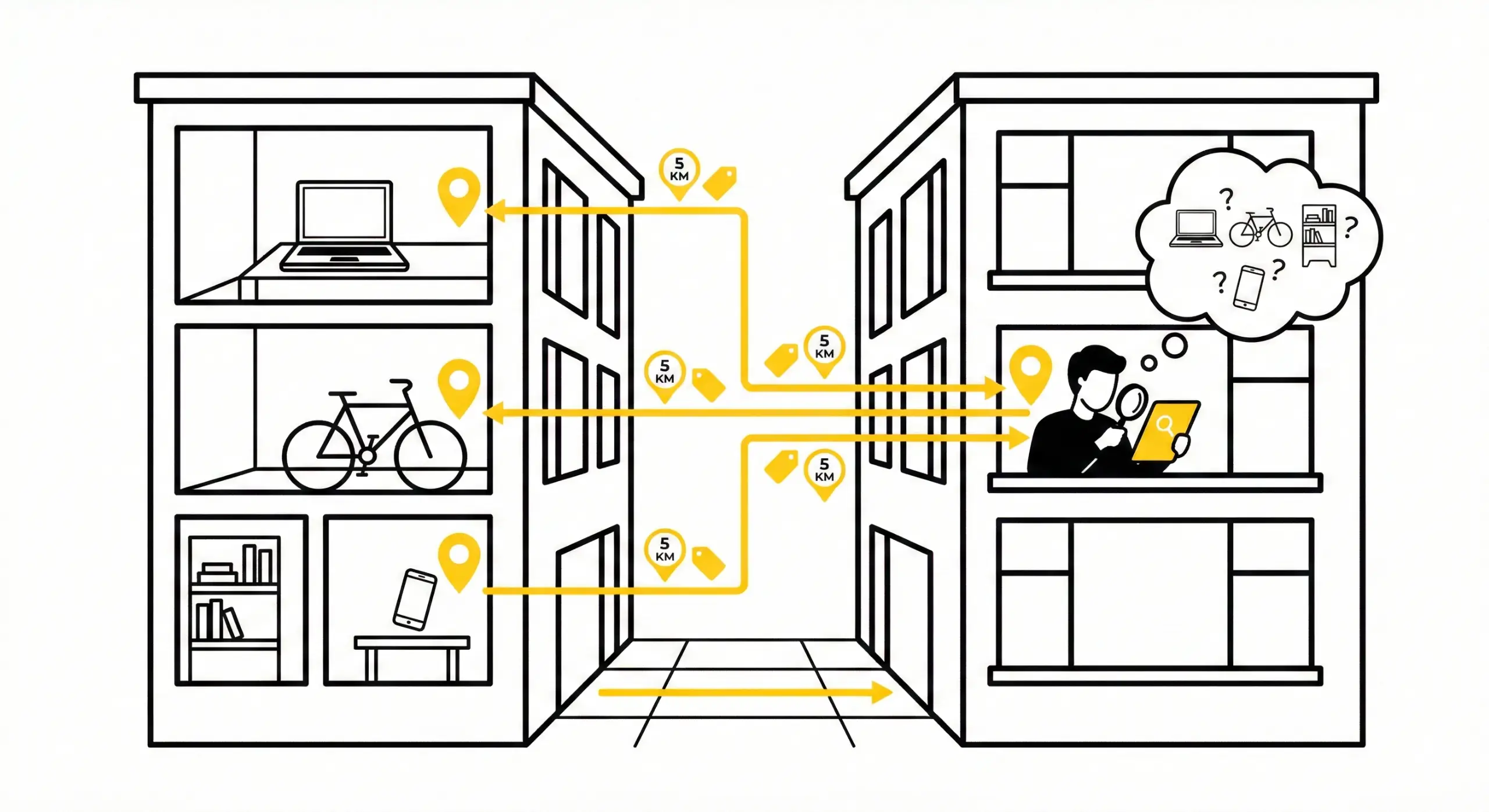



You need to sell your old laptop before moving cities. You try one platform and get buried under thousands of national listings. You try another and spend hours responding to scam messages. A third wants you to pay for visibility just to be seen by local buyers.
Each platform promises to help you sell, but they all work differently, some focus on national reach, others on social media integration, some on complex features, and a few on straightforward local connections.
This creates confusion. Which platform actually helps you sell items fast without complications? Which one connects you with serious local buyers and sellers who can complete transactions?
Understanding how different used goods platforms work in India, their strengths, limitations, and ideal use cases, helps you choose the right one for what you’re selling.
The Used Goods Platform Landscape in India
India has various platforms for buying and selling used items, each with different approaches.
- National marketplaces: Large platforms serving all of India, covering every category from cars to clothes. High traffic but intense competition.
- Social media marketplaces: Built into platforms like Facebook, leveraging existing social networks but mixing personal and transaction contexts.
- Classified ad sites: Traditional online classifieds adapted for the digital age, varying in local focus and simplicity.
- Category-specific platforms: Sites focused on particular items like cars, electronics, or fashion.
- Local-first platforms: Newer approaches prioritizing geographic proximity and simple transactions over maximum reach.
Each serves different needs, and understanding the differences helps you make informed choices.
What Makes Platforms Different
Platforms differ on several key dimensions that affect your experience.
Geographic Focus
- National platforms: Show your listing across India, creating noise but limited local relevance.
- City-specific platforms: Focus on particular cities, connecting you only with nearby buyers, including the best classified sites in Hyderabad and other major cities.
- Hyperlocal platforms: Target neighborhoods or specific areas within cities.
Complexity
- Feature-rich platforms: Offer premium listings, boosted ads, verification badges, in-app payments, shipping integration.
- Simple platforms: Focus on core functionality, post, browse, contact, transact.
Business Model
- Commission-based: Take a percentage of sales or charge listing fees.
- Free platforms: Make money through ads or premium features but don’t charge for basic listings.
- Subscription models:Charge monthly fees for unlimited listings or enhanced features.
Understanding these differences helps match platforms to your needs.
Large National Marketplaces: When They Work
Big national platforms have specific advantages and disadvantages.
Advantages:
- Massive user base: Millions of buyers potentially see your listing.
- Brand recognition: Well-known names that buyers trust.
- Comprehensive categories: Can list almost anything.
- Mobile apps: Convenient browsing and listing from phones.
Disadvantages:
- Listing visibility issues: Your ad gets buried quickly under thousands of new listings daily.
- Heavy competition: Competing with professional resellers and dealers, not just individuals.
- Irrelevant enquiries: Messages from people across India who can’t realistically buy from you.
- Complex features: Premium listings, boost options, verification systems, learning curve for new users.
- Scam prevalence: High traffic attracts scammers, requiring vigilance.
Best Used For:
- Rare or niche items with limited local demand
- Vehicles or high-value items worth national visibility
- Professional sellers managing many listings
- Buyers willing to arrange shipping or long-distance pickup
For everyday local transactions, national platforms often create more problems than they solve.
Social Media Marketplaces: The Facebook Factor
Selling through social media platforms has become common but comes with specific trade-offs.
Advantages:
- Existing user base: Most people already have accounts.
- Social trust layer: Can see mutual friends, profiles, which may build confidence.
- Easy listing: Quick to post from your phone.
- Free to use: No listing fees or commissions.
Disadvantages:
- Privacy concerns: Buyers see your personal profile, photos, work history.
- Notification overload: “Is this available?” spam mixed with personal messages.
- No dedicated focus: Marketplace is an added feature, not core purpose.
- Algorithm unpredictability: Unclear why some listings get visibility and others don’t.
- Social awkwardness: Declining offers from acquaintances can be uncomfortable.
Best Used For:
- Casual selling without urgency
- Items where social proof matters
- People comfortable mixing personal life with transactions
- Communities where Facebook marketplace is the norm
For focused, private transactions, dedicated platforms work better.
Traditional Online Classifieds: The Evolution
Long-standing classified sites have evolved over years but vary in effectiveness.
Advantages:
- Familiar format: Most people understand how classifieds work.
- Category organization: Clear sections for different item types.
- Established presence: Years of operation build some trust.
- Contact information visible: Often show phone numbers directly for easy communication.
Disadvantages:
- Outdated interfaces: Many haven’t modernized their design or mobile experience.
- Spam and low-quality listings: Years of accumulation without proper cleanup.
- Limited safety features: Older platforms may lack modern security measures.
- Geographic filtering issues: City selection exists but isn’t always accurate or enforced.
- Decreasing relevance: Users have shifted to newer platforms in many cities.
Best Used For:
- Users familiar with traditional classified format
- Cities where these platforms remain popular
- Specific categories they’ve historically served well
- Situations where phone contact preference matters
Their effectiveness varies significantly by city and category.
City-Specific and Local Platforms: The Focused Approach
Platforms built around local connections operate differently.
Advantages:
- Geographic relevance: Every listing you see is actually nearby, every buyer who sees yours can actually pick up.
- Serious local buyers: People using these platforms understand local pickup and face-to-face transactions.
- Less competition: Competing with dozens of local sellers, not thousands nationally.
- Better visibility: Listings stay visible longer without being buried.
- Simpler transactions: No shipping coordination, payment gateway complexity, or interstate logistics.
- Focused community: Users understand the local market, fair pricing, and transaction norms.
Disadvantages:
- Smaller user base: Fewer total users than national platforms.
- Limited to common items: Rare or niche products may not find buyers locally.
- City availability: Not all cities have strong local platforms yet.
Best Used For:
- Furniture, appliances, and bulky items requiring local pickup
- Everyday electronics, bikes, and household goods
- Quick sales without national marketplace complications
- Privacy-conscious users who want local focus
- First-time sellers wanting simple, straightforward processes
For most everyday buying and selling, local platforms deliver better results faster.
Category-Specific Platforms: Specialists vs Generalists
Some platforms focus on particular item types.
- Vehicle platforms: Dedicated car and bike marketplaces with specific features like registration details, test drive coordination, and insurance information.
- Electronics platforms: Focus on phones, laptops, cameras with specifications, warranty information, and trade-in options.
- Fashion platforms: Specialize in clothing and accessories with size guides, brand authentication, and style categories.
These work well when you’re selling items in their specialty but aren’t useful for general household items or mixed listings.
What Works Best in Different Indian Cities
Platform effectiveness varies by city culture and adoption.
- Metro cities (Mumbai, Delhi, Bangalore, Hyderabad): Multiple platform options, higher adoption of newer local services alongside established national ones. In Hyderabad, for instance, the best classified sites in Hyderabad include both national players and emerging local-focused platforms that cater specifically to the city’s buying and selling patterns.
- Tier 2 cities (Pune, Chandigarh, Jaipur): Mix of national platforms and growing local adoption, with WhatsApp and direct contact still common.
- Smaller cities: Often rely more on Facebook marketplace, WhatsApp groups, or traditional word-of-mouth alongside national platforms.
Understanding your city’s platform landscape helps choose where to list effectively.
Real Comparison: Selling a Laptop Across Platforms
A working professional in Bangalore tried selling the same laptop on three different platforms.
National Marketplace:
- Listed Tuesday morning
- 50+ views in 24 hours, then visibility dropped sharply
- 12 enquiries: 7 from other cities asking about shipping, 3 lowball offers, 2 potential scams
- After one week: No sale, relisted twice, considering price reduction
- Time invested: Several hours managing enquiries
- Outcome: Frustration, eventual 20% price drop to compete
Facebook Marketplace:
- Listed Wednesday
- 30+ notifications, mostly “Is this available?” messa
- 8 relevant enquiries mixed with personal messages
- Privacy concern: buyers could see his profile, work info
- Met one buyer who didn’t show up
- After 10 days: Sold at 15% below asking price to stop the notification spam
- Outcome: Sold but felt pressure to accept lower offer
Local Platform (Sympl):
- Listed Thursday
- 15 views from Bangalore buyers
- 4 genuine enquiries, all local
- Met two interested buyers over the weekend
- One bought after inspection at agreed price
- After 5 days: Sold at fair price
- Time invested: Minimal, focused conversations
- Outcome: Satisfied with quick, fair transaction
The local platform delivered the best experience despite fewer total views.
How to Choose the Right Platform for Your Item
Here’s a practical decision framework.
Choose national platforms when:
- Selling rare, collectible, or niche items
- Willing to ship and coordinate logistics
- High-value items worth broader exposure
- Professional selling with time to manage complexity
Choose social media marketplaces when:
- Comfortable with profile visibility
- Selling in communities where it’s the norm
- Not in a hurry to sell
- Casual, occasional selling
Choose local/city-specific platforms when:
- Selling furniture, appliances, or bulky items
- Want quick sales to nearby buyers
- Prefer privacy and focused transactions
- First-time sellers wanting simplicity
- Everyday items with strong local demand
Choose category-specific platforms when:
- Selling vehicles, specific electronics, or fashion
- Item fits the platform’s specialty
- Want features tailored to that category
Most everyday transactions benefit from local-focused platforms.
The Time and Efficiency Factor
Different platforms require different time investments.
National platforms:
- High initial time setting up listings
- Ongoing time managing enquiries
- Extended timeline hoping for the right buyer
- Total: Potentially weeks of active management
Social media:
- Quick initial listing
- High time managing notifications and spam
- Distraction from social media feeds
- Total: Spread over days but with constant interruptions
Local platforms:
- Quick listing setup
- Focused conversations with serious buyers
- Fast decision and completion timelines
- Total: Days to complete, minimal active management
For busy students, families, and working professionals, efficiency matters.
Cost Considerations Across Platforms
Different platforms have different cost structures.
- Free platforms: No listing fees but may have hidden costs (lower prices due to competition, shipping expenses, time wasted).
- Commission-based: Take percentage of sale price or charge per listing, eating into your earnings.
- Premium features: “Free” platforms that charge for visibility, featured listings, or top placement.
- Time as cost: Free platforms that waste hours managing spam cost you in time and mental energy.
The truly low-cost option isn’t always the one with no fees—it’s the one that gets you fair prices efficiently.
Who Uses Which Platform Successfully
Different user groups have different platform preferences.
- Students: Prefer local platforms or Facebook for quick, simple transactions without complications. Need to sell items fast before semester changes.
- Families: Use local platforms for furniture and appliances, avoiding shipping hassles. Value straightforward transactions that respect their busy schedules.
- Working professionals: Appreciate local platforms’ efficiency for selling electronics and office items without wasting work hours managing enquiries.
- Professional resellers: Rely on national platforms despite complexity because they’re selling volume and can manage the overhead.
- Tech-savvy younger users: Comfortable across platforms but increasingly prefer focused, privacy-respecting local options.
Understanding your profile helps choose platforms that match your needs.
The Local Advantage in Indian Context
India’s buying and selling culture naturally suits local platforms.
- In-person preference: Indians generally prefer seeing items before buying, especially for higher-value purchases.
- Cash transactions: Many still prefer cash over digital payments, which works best face-to-face.
- Negotiation culture: Bargaining is expected and works better in person than through messages.
- Trust through proximity: Meeting someone from your city feels safer than dealing with distant strangers.
- Logistics challenges: Indian shipping and delivery can be unreliable and expensive, making local pickup preferable.
Platforms that align with these cultural realities work better for most users.
How Sympl Fits the Landscape
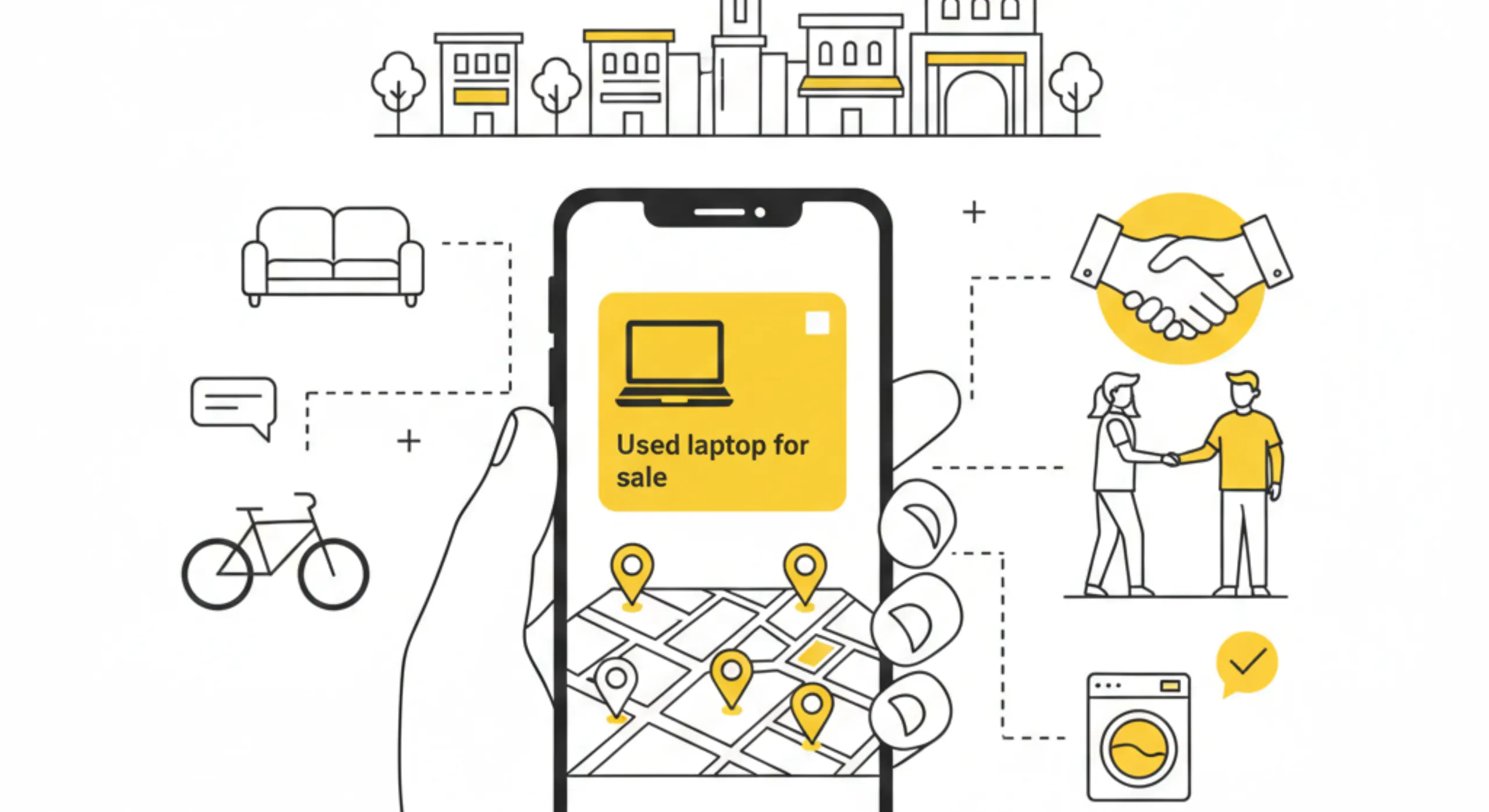
Sympl represents the local-first approach to buying and selling. The platform focuses specifically on connecting nearby buyers and sellers through Sympl classifieds. No national noise, no complex features, no mixing with social media.
This focus makes it particularly effective for everyday transactions of furniture, electronics, bikes, appliances that benefit from local proximity and straightforward processes. It’s not trying to be everything to everyone. It’s designed for people who want to buy and sell locally without complications.
Conclusion:
The best platform depends on what you’re selling and what you value. For most everyday items and most users, local-focused platforms deliver faster, simpler, more satisfying results than national marketplaces or social media options.
For rare items, professional selling, or situations where you’re willing to invest time managing complexity, larger platforms might work. The key is matching platform strengths to your actual needs rather than defaulting to the biggest name or most familiar option.
When you want to sell items fast to serious local buyers without wasting time on spam, shipping logistics, or competitive noise, local classifieds offer the practical, efficient solution that India’s buying and selling culture naturally responds to.