


Walk through any residential area in Hyderabad, Bengaluru, Chennai, or Pune on a weekend morning. Chances are, somewhere nearby, a family is clearing out a room. A working professional is selling a phone they’ve upgraded from. A student is handing over a laptop to fund the next semester. This is not a niche behaviour anymore. It is quietly becoming the norm.
The second-hand market in India’s Tier-1 cities has grown steadily over the past few years, not because of any single platform or campaign, but because people have become more practical about how they spend and what they keep. Buying something used is no longer a compromise. For many buyers, it is a deliberate, informed decision.
And yet, the experience of actually buying or selling something second-hand still feels unnecessarily complicated on most large platforms. Too many steps. Slow responses. Commission structures that chip away at the seller’s earnings. Buyers from other cities who were never really serious.
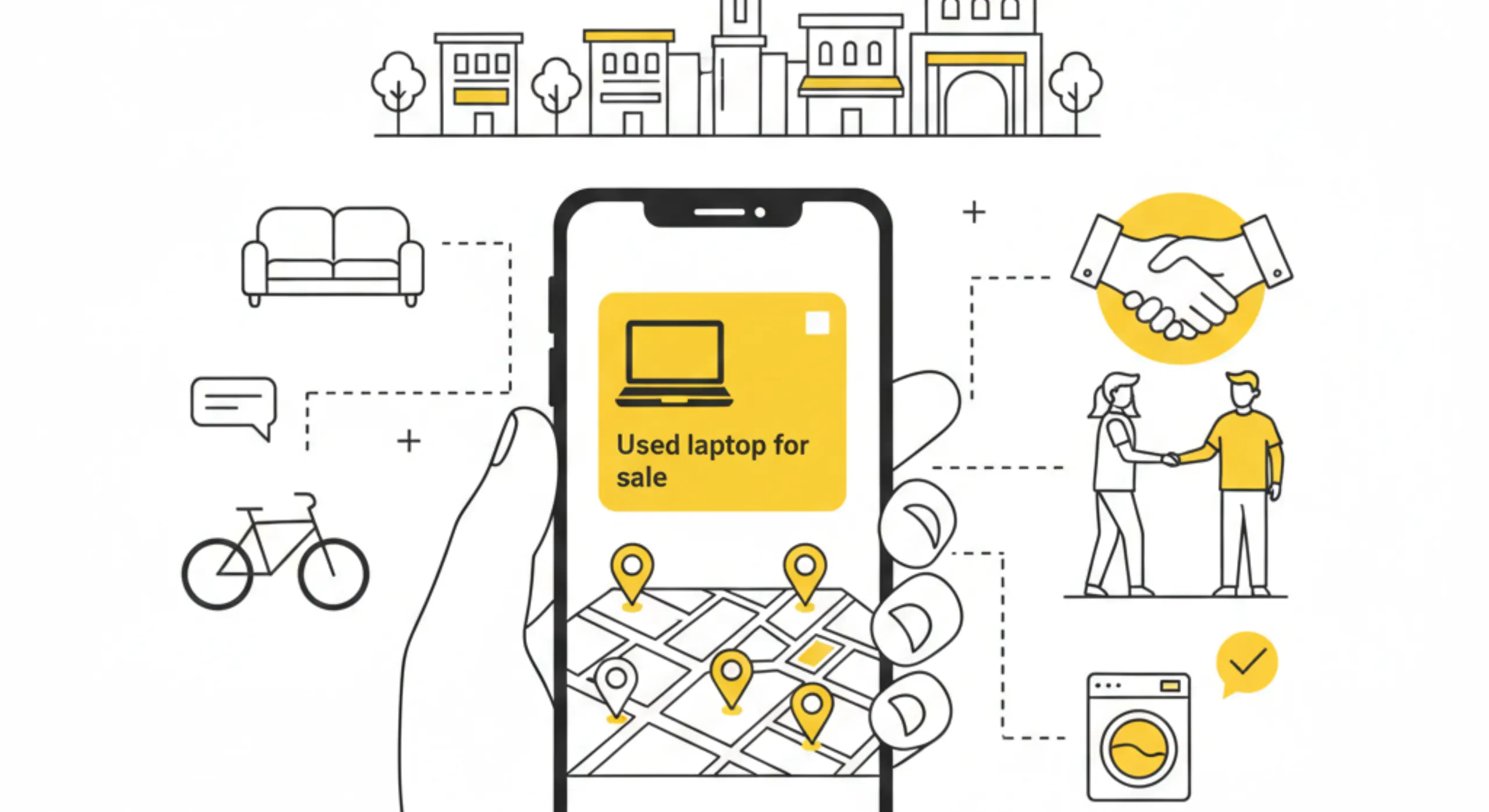
This is exactly where Sympl classifieds fill the gap. Platforms that help local buyers and sellers connect directly, without the overhead of national logistics and marketplace commissions, are increasingly where real transactions happen. In Hyderabad specifically, the best classified sites in Hyderabad are seeing more active listings across categories than ever before.
Why the Resale Market Is Growing and What Is Driving It
The growth in second-hand buying and selling in India’s larger cities is not accidental. Several practical factors have come together to make this a natural behaviour for everyday buyers and sellers.
Cost of living has increased: In cities like Hyderabad, Bengaluru, and Mumbai, rent, groceries, and daily expenses have risen steadily. People are more careful about where they spend. Buying a used appliance or gadget at a fair price, rather than a new one at retail, is a straightforward way to manage a household budget without giving up quality.
Upgrade cycles have shortened: Smartphones, laptops, televisions, people replace these more frequently than a decade ago. This creates a consistent supply of items in good working condition entering the second-hand market regularly. Sellers want to recover some value. Buyers want to benefit from it.
Awareness of value has improved: A few years ago, buying something second-hand carried a mild stigma in urban India. That has faded significantly. People in Tier-1 cities now routinely buy used two-wheelers, furniture, books, and electronics without any hesitation, because they’ve done it before and it worked out fine.
Moving and relocation is common: Cities like Hyderabad attract large numbers of working professionals on short to medium-term assignments. When they move in, they need items quickly. When they move out, they need to sell quickly. This constant movement creates a healthy and active local resale market.
The Gap Between Growing Demand and the Actual Buying Experience
Here is the problem that most sellers in Tier-1 cities run into.The demand for second-hand goods is clearly there. But the process of finding the right buyer quickly, locally, without unnecessary complexity remains harder than it should be. Large national platforms have made it easier to list items online.
But they’ve also introduced problems that slow things down:
- Listings compete against thousands of similar items from across the country
- Platform algorithms decide who sees your listing and when
- Commission structures reduce what the seller actually takes home
- Buyers from distant cities enquire, then back out when they realise shipping is impractical
- Return policies create uncertainty for both sides
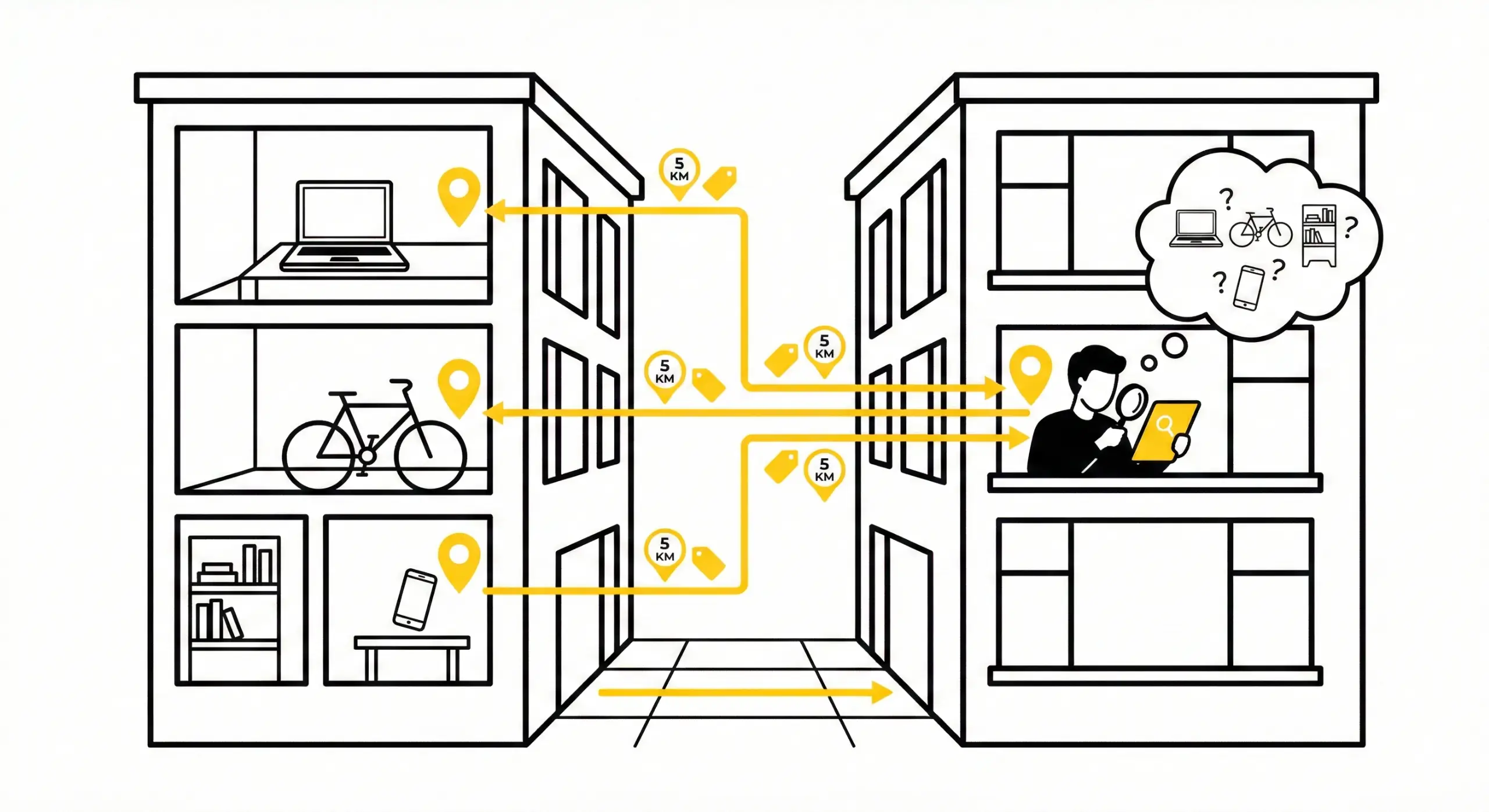
For someone selling a used washing machine in Secunderabad, getting an enquiry from a buyer in Ahmedabad is not useful. What they need is a buyer in the same city who can inspect the appliance, agree on a price, and arrange pickup this week.
This is the fundamental mismatch that continues to frustrate sellers in growing urban markets and it is one that Sympl Classifieds are structurally better at solving.
Practical Guidance: How to Participate in the Local Resale Market Effectively
Whether you are a first-time seller or someone who buys and sells regularly, the following approach works consistently across Tier-1 city markets.
Know what is in demand locally before you list:
- Electronics phones, laptops, tablets have strong and consistent demand in every Tier-1 city
- Two-wheelers and cars move quickly in cities with commuting pressure, like Hyderabad and Bengaluru
- Home appliances refrigerators, washing machines, ACs attract serious local buyers who prefer inspection before purchase
- Furniture is highly location-dependent: what sells in one neighbourhood may sit unsold in another
- Books, gym equipment, and baby gear have specific demand windows timing your listing matters
Prepare your item before listing:
- Clean it properly presentation affects how buyers perceive the price
- Gather all accessories, chargers, remotes, original packaging, and purchase receipts
- Note the age, usage history, and any known issues honestly
Write a listing that answers the buyer’s real questions:
- Brand, model, year, and current condition these four things filter serious buyers from casual browsers
- Mention the pickup location clearly “available in Begumpet” or “near HITEC City” tells a buyer immediately whether the transaction is practical for them
- State why you are selling it builds trust without requiring any extra effort
Price based on the local market not emotion:
- Search for similar items currently listed in your city
- Price slightly above your minimum to leave room for a brief negotiation/li>
- Avoid aspirational pricing it extends the time your item sits unsold and allows it to depreciate further
Respond to enquiries quickly:
- Active resale markets in Tier-1 cities mean buyers have options
- A prompt, honest reply to the first enquiry is often what decides whether the deal closes with you or with someone else
How Local Buying and Selling Removes the Friction
The resale market grows because the underlying demand is real. But it thrives where the transaction experience is simple. Local classifieds work better than national platforms for everyday second-hand goods because they reduce the number of steps between a seller and a genuine buyer.
Direct interaction from the start: There is no intermediary managing the conversation. A buyer who is interested messages the seller directly. Questions get answered in real time. Pricing is negotiated between two people, not managed through a platform’s messaging queue.
Inspection before payment : For items where condition matters appliances, vehicles, furniture, used electronics, the ability to see the item in person before paying is not just convenient, it is essential. Local selling makes this the default, not the exception.
No logistics complexity: A used refrigerator does not need to go through a courier warehouse. A second-hand Honda Activa does not need to be photographed from fifteen angles for a national listing. Locally, the buyer comes, sees, decides, and takes it. That simplicity is the point.
Faster closure: In a growing urban resale market, motivated buyers move fast. A professional looking for a used treadmill in Hyderabad is not going to wait two weeks for delivery from a seller in another city. They will buy from someone nearby who responds within the hour.
This is why, as the resale market in Tier-1 cities continues to grow, the platforms that serve local buyers and sellers best are increasingly the ones doing the most actual transaction volume.
Cost and Time Benefits That Add Up Over Time
The financial logic of buying and selling locally becomes clear when you account for the full picture, not just the listed price.
For sellers in Tier-1 cities:
- No commission means the agreed price is the amount received nothing deducted after the fact
- No packaging or shipping cost for bulky items
- Faster sales mean items depreciate less before finding a buyer
- Fewer failed transactions mean less time wasted managing listings that go nowhere
For buyers:
- Low-cost buying through local classifieds means paying a fair market price without a platform’s logistics margin baked in
- No delivery wait the item is available immediately after inspection and payment
- The ability to negotiate directly with the seller often produces a better outcome than a fixed-price national listing
Nearby buyers and sellers in active Tier-1 markets also create an informal price-discovery mechanism. Because multiple similar items are often listed locally at the same time, both buyers and sellers get a realistic sense of what things are actually worth, not what a national platform’s algorithm suggests.
Over time, participating in the local resale market regularly can meaningfully reduce what a household spends on goods it needs and increase what it recovers from items it no longer uses.
Who Benefits Most as the Resale Market Grows
Working professionals: who move cities frequently selling items before a move and buying locally after arriving is now a standard practice in Hyderabad, Bengaluru, Pune, and Chennai. Local classifieds make both sides of this transition faster and cheaper.
Families: managing household budgets carefully, buying a used LG refrigerator or a second-hand Whirlpool washing machine from a local seller, inspected before payment, is a straightforward way to access reliable appliances at honest prices.
Students: who cycle through laptops, furniture, and books the resale market in college-adjacent areas of every Tier-1 city is active precisely because students understand the value of buying and selling locally rather than absorbing the full cost of new items each year.
First-time sellers: who have unused items at home, the resale market in Tier-1 cities is now large enough that almost any item in decent condition has a local buyer. A well-written listing on a local classifieds platform is all that is needed to find them.
Budget-conscious buyers: who want quality without retail pricing the growing supply of used goods in good condition in Tier-1 cities means buyers have real options. Low-cost buying locally is no longer about settling for less, it is about making a smarter choice.
Conclusion:
The growth of the second-hand market in India’s Tier-1 cities reflects something straightforward: people are becoming more practical, more aware, and more comfortable transacting outside the new goods retail ecosystem.
Hyderabad, Bengaluru, Chennai, Pune, and Delhi each have active local resale ecosystems. The items are there. The buyers are there. The sellers are there. What makes the difference between a transaction that happens quickly and one that drags on for weeks is usually not the item or the price, it is the platform and the approach.
Sympl Classifieds that connect local buyers and sellers directly, without commission layers and logistics complexity, consistently deliver faster and more satisfying outcomes for both sides. The resale market will keep growing. Participating in it well listing honestly, pricing fairly, and selling to someone nearby is something anyone can do with a bit of basic preparation.
The buyer you are looking for is probably a few kilometres away. The item you need is probably already listed nearby. Keeping it local just makes the whole thing work better.