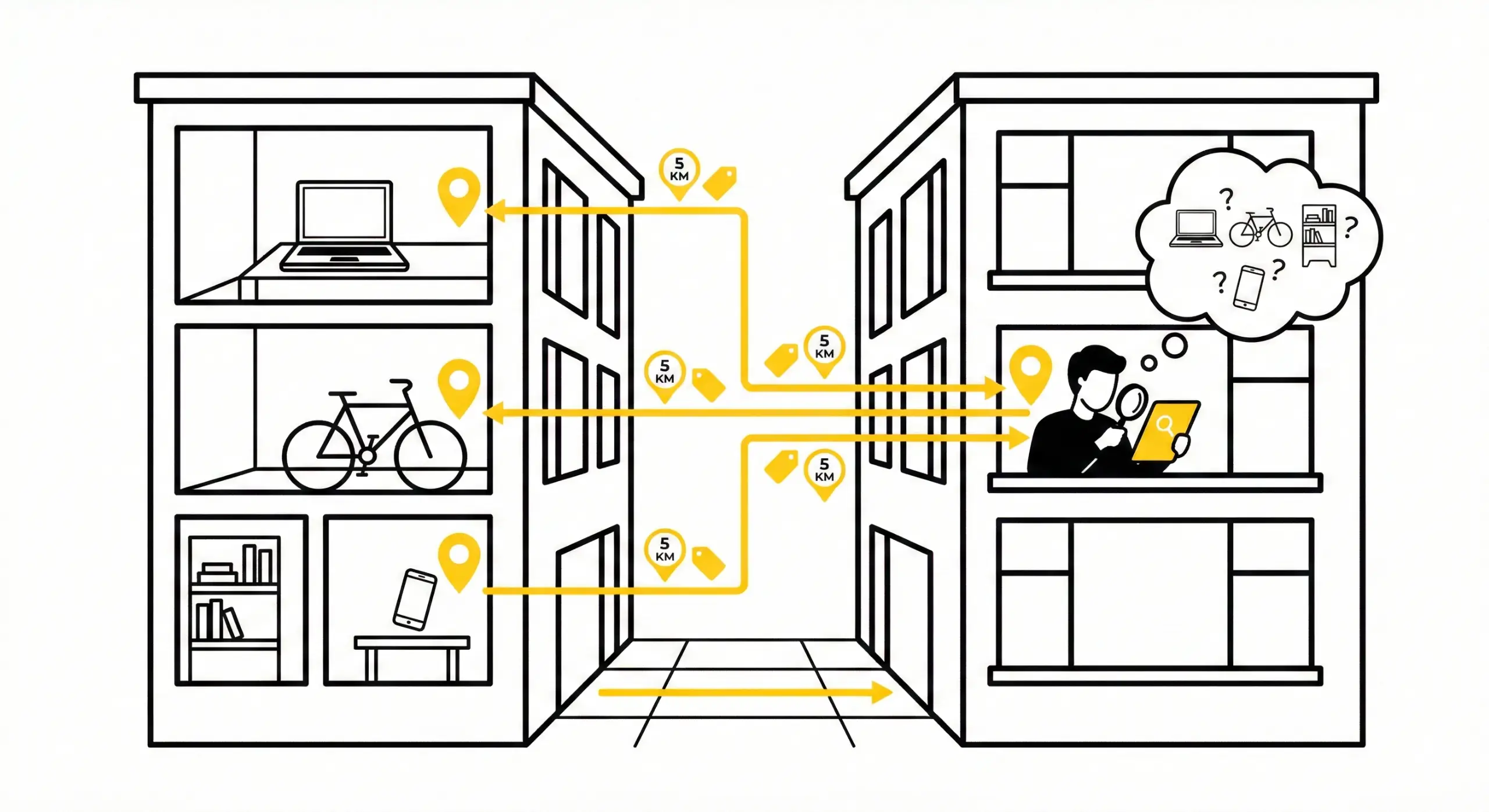



You have a second-hand air conditioner to sell. It works perfectly, it is barely two years old, and you want a fair price for it. You list it on a large national platform. A week passes. You get a couple of messages, one from someone in another city asking if you can ship it, and another offering you less than half your asking price.
The AC is still in your living room.
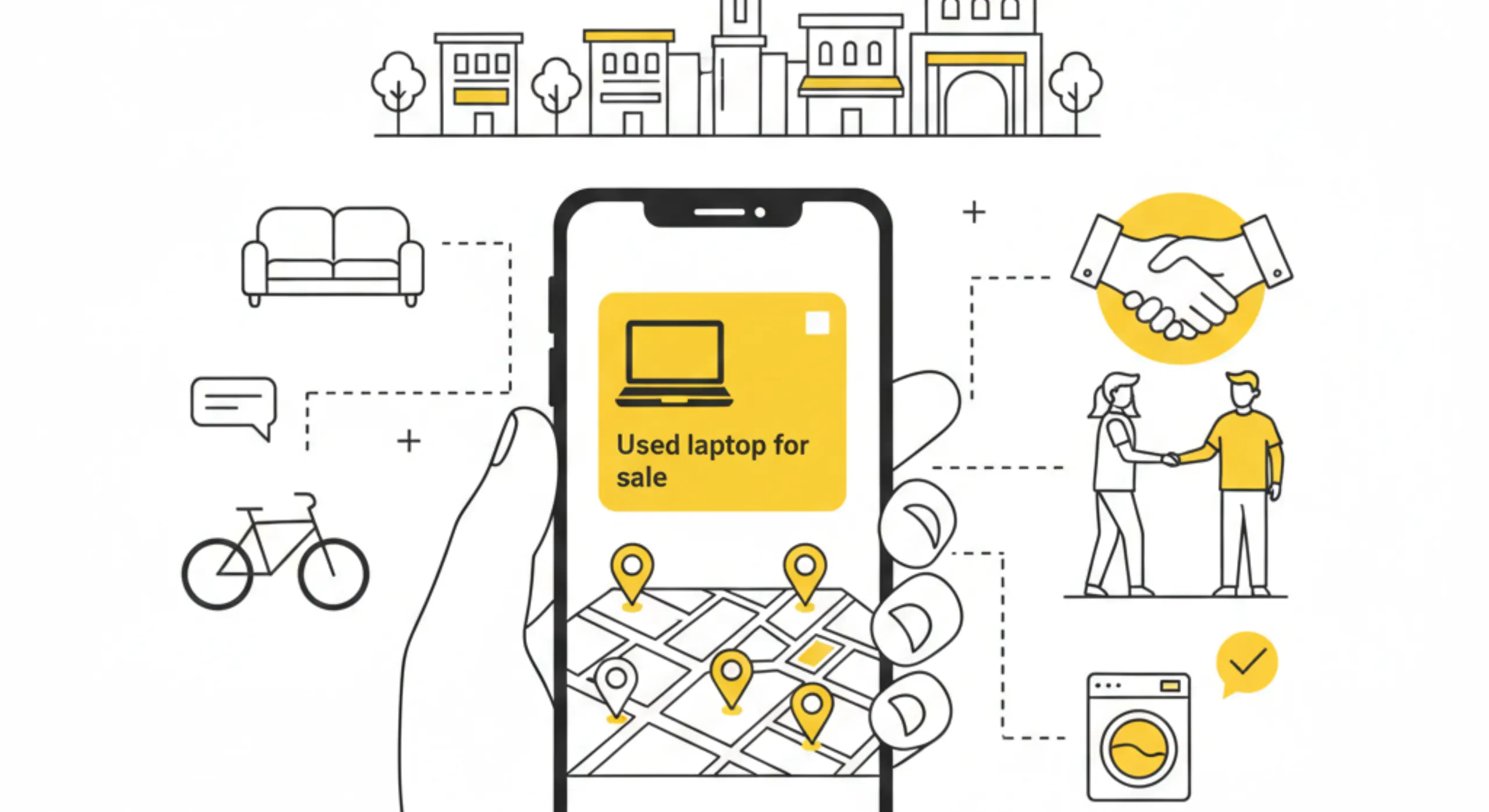
This situation is more common than people realise. The problem is not the item. The problem is the platform and more specifically, the kind of demand it connects you with. National platforms cast a wide net. But wide does not always mean useful. When you are selling something that needs to be picked up in person, seen before buying, or carried across town national demand is largely irrelevant. What you actually need is local demand. And that is a very different thing. Platforms like Sympl are built around exactly this idea connecting local buyers and sellers without the noise and irrelevance of a national marketplace.
Understanding the Core Problem: National Reach Does Not Always Help
The Mismatch Between Supply and Demand
Large national platforms were designed to connect buyers and sellers across the country. That works well for new products being shipped from warehouses. It works less well for a used sofa in Nagpur or a second-hand scooter in Coimbatore. When your listing is visible to the entire country, the majority of people who see it simply cannot act on it. They are too far away. The item is not shippable. The deal does not make sense at a distance.
You end up with a lot of visibility and very little traction.
Local Demand Is More Actionable
A buyer in your own city or neighbourhood is a different kind of prospect altogether. They can come and see the item. They can pick it up the same day. They are not paying shipping costs that inflate the final price for both sides. The transaction is practical from the very start. This is the fundamental difference between local demand and national demand and it matters enormously when you are trying to sell items fast through simple classifieds.
Why This Gets Overlooked
Most people default to large platforms because they assume bigger means better. More users should mean more buyers, right? In theory, yes. In practice, ten nearby buyers on Sympl are worth more than ten thousand faraway ones on a national platform at least for the kind of second-hand, bulk, or high-contact items that most everyday sellers are dealing with.
Practical Guidance: When Local Demand Works Better Than National
Here is a clear breakdown of scenarios where buying and selling locally gives you a faster, more practical outcome than relying on national demand.
Items That Cannot Be Shipped Easily
- Large furniture wardrobes, sofas, dining tables, beds
- Home appliances refrigerators, washing machines, air conditioners, water purifiers
- Two-wheelers, cycles, and fitness equipment
- Heavy electronics like desktop computers and large televisions
For all of these, shipping is either impractical, expensive, or simply not possible for a private seller. Local demand on Sympl is the only demand that makes sense.
Items Where Inspection Matters
- Used smartphones and laptops buyers want to check screen, battery, and performance
- Second-hand vehicles a test ride or test drive is expected before any serious conversation
- Furniture and appliances buyers want to see the actual condition, not just photos
When inspection before purchase is part of the transaction, local buyers and sellers are the only ones who can realistically complete the deal.
Items with a Time Pressure
- Household items being sold before a relocation
- Electronics being replaced by a newer model
- Seasonal items like coolers or heaters
When you need to sell something before you shift houses or before the new item arrives, you cannot afford to wait for a national buyer to “think about it.” Local demand through Sympl moves faster because the friction is lower.
Items with Strong Neighbourhood Demand
- Books and study material within student communities
- Baby and kids items within residential societies or localities
- Daily-use appliances in urban residential areas
These items have natural, existing demand among people who live close by. Sympl connects that demand directly without routing it through a national platform where it gets diluted.
How Sympl Makes Local Buying and Selling Easier
Direct Connection, No Layers In Between
On a large national platform, your listing goes through an algorithm before it reaches a buyer. Sympl keeps the connection direct. You post, nearby people see it, they contact you. No boosting required. No guessing whether the platform is showing your listing to the right people.
Fewer Steps to a Completed Transaction
Here is what a typical local transaction on Sympl looks like compared to a national platform:
On a national platform:
- Create detailed listing with multiple fields
- Wait for platform approval
- Receive mixed enquiries from across India
- Filter out non-serious or faraway buyers
- Coordinate with someone who may or may not follow through
- Handle shipping if required
- Deal with potential returns or disputes
On Sympl:
- Post a listing with a photo and short description
- Receive enquiry from a nearby buyer
- Agree on price, meet in person
- Done
The difference in effort is significant. And for someone selling a single item as a one-off, that difference matters a great deal.
Faster Responses from Genuine Local Buyers
Local buyers who find an item nearby are already in a position to act. They are not browsing out of curiosity from another state. They have the intent, the proximity, and the ability to complete the transaction quickly. This is why selling items fast is a realistic outcome on Sympl not a marketing claim. It is a function of how local demand actually behaves compared to national demand.
The Cost and Time Difference: Local vs National
What National Platforms Cost You
- Time spent creating a detailed, structured listing
- Days or weeks waiting for a relevant buyer to appear
- Energy spent filtering spam, low-ball offers, and out-of-city enquiries
- Possible shipping costs if the buyer is far away
- Platform fees or charges in some categories
- Risk of deal falling through after prolonged negotiation
What Sympl Saves You
- Listing takes minutes, not half an hour
- Local enquiries often come within hours
- No shipping needed buyer collects in person
- No delivery or handling fees inflating the final price
- Negotiation happens face to face, which is faster and more honest
- Deal closes in a day or two rather than a week or more
For low-cost buying, Sympl removes the layers that add cost without adding value. You are paying for the item. Not for logistics, platform margins, or the privilege of national visibility that does not help you anyway.
The Buyer’s Side of Local vs National Demand
It is not just sellers who benefit from local demand. Buyers gain just as much.
You Can See Before You Buy
Buying second-hand on a national platform often means making a decision based on photos and a description. If the item arrives and it is not what you expected, you are dealing with returns, disputes, and wasted time. With Sympl, you see the item in person before paying. What you see is what you get. That clarity is worth a lot, especially for higher-value purchases like electronics, appliances, or furniture.
You Are Not Paying for Distance
When a buyer on a national platform purchases from a seller in another city, someone is paying for that distance through shipping fees, packaging costs, or both. Local buying through Sympl eliminates that cost entirely.
You Get Fair Prices, Not Inflated Ones
Prices on national platforms tend to factor in the cost of selling nationally platform fees, shipping, handling, returns. Local sellers on Sympl are pricing for a direct, nearby transaction. The result is genuinely better prices for buyers who prefer low-cost buying without compromise on quality.
Who Benefits Most from Local Demand on Sympl
Students
Students constantly buy and sell laptops, books, furniture, bicycles, appliances for hostel rooms or PG accommodation. All of these are items with strong local demand in student-heavy areas. Sympl connects students within the same city quickly and without hassle.
Families
Families accumulate items as they grow and as needs change baby gear, children’s furniture, kitchen appliances, home electronics. Selling these items locally through Sympl is practical and fast. Buying them the same way means fair prices and no delivery complications.
Working Professionals
Professionals relocating between cities are among the most active users of local classifieds. Before a move, they need to sell furniture, appliances, and household items quickly. After a move, they need to buy the same kinds of things in a new city. Sympl serves both sides of that transaction efficiently.
First-Time Sellers
If you have never sold online before, starting with a simple local listing on Sympl is far less intimidating than navigating a national marketplace. Fewer fields, direct communication, and a local buyer who can come to you the experience is manageable and confidence-building.
Anyone Selling Before a Relocation or Upgrade
Whether you are moving cities, upgrading your phone, replacing an appliance, or clearing out a room, local demand on Sympl is almost always the fastest path to a completed sale. The buyers are nearby, the transaction is direct, and the outcome is quick.
Conclusion
National demand has its place. For new products, niche items, or things that ship easily, large platforms make sense. But for the everyday reality of buying and selling second-hand goods in India, furniture, phones, appliances, vehicles, daily-use items local demand is not just as good as national demand. It is better. It is faster. It is more practical. It produces fewer wasted conversations and more completed transactions. And it costs less for both sides. Sympl is built around this understanding. Not as a scaled-down version of a national marketplace, but as a platform designed specifically for the way local buying and selling actually works. Direct, nearby, and without unnecessary steps in between. If you have something to sell or something to find, the most practical first step is almost always a local one. The right buyer or the right deal is likely closer than you think.