


You want to sell your old washing machine. You create an account on a large marketplace, fill out forms with product codes and specifications, upload photos that meet specific file size requirements, choose from dropdown menus with dozens of categories, set up payment preferences, configure shipping options you don’t even plan to offer, and review pages of seller guidelines.
An hour later, you’ve finally published your listing. Now you wait, hoping someone finds it among thousands of similar listings.
Meanwhile, your neighbor lists their washing machine on a local platform: writes a simple description, adds a few photos from their phone, mentions their location and price. Done in five minutes.
Their washing machine sells in three days. Yours is still sitting in your storage room two weeks later.
This is the fundamental difference between complexity and simplicity in selling. More features don’t mean better results. Often, they just mean more friction between you and an actual sale.
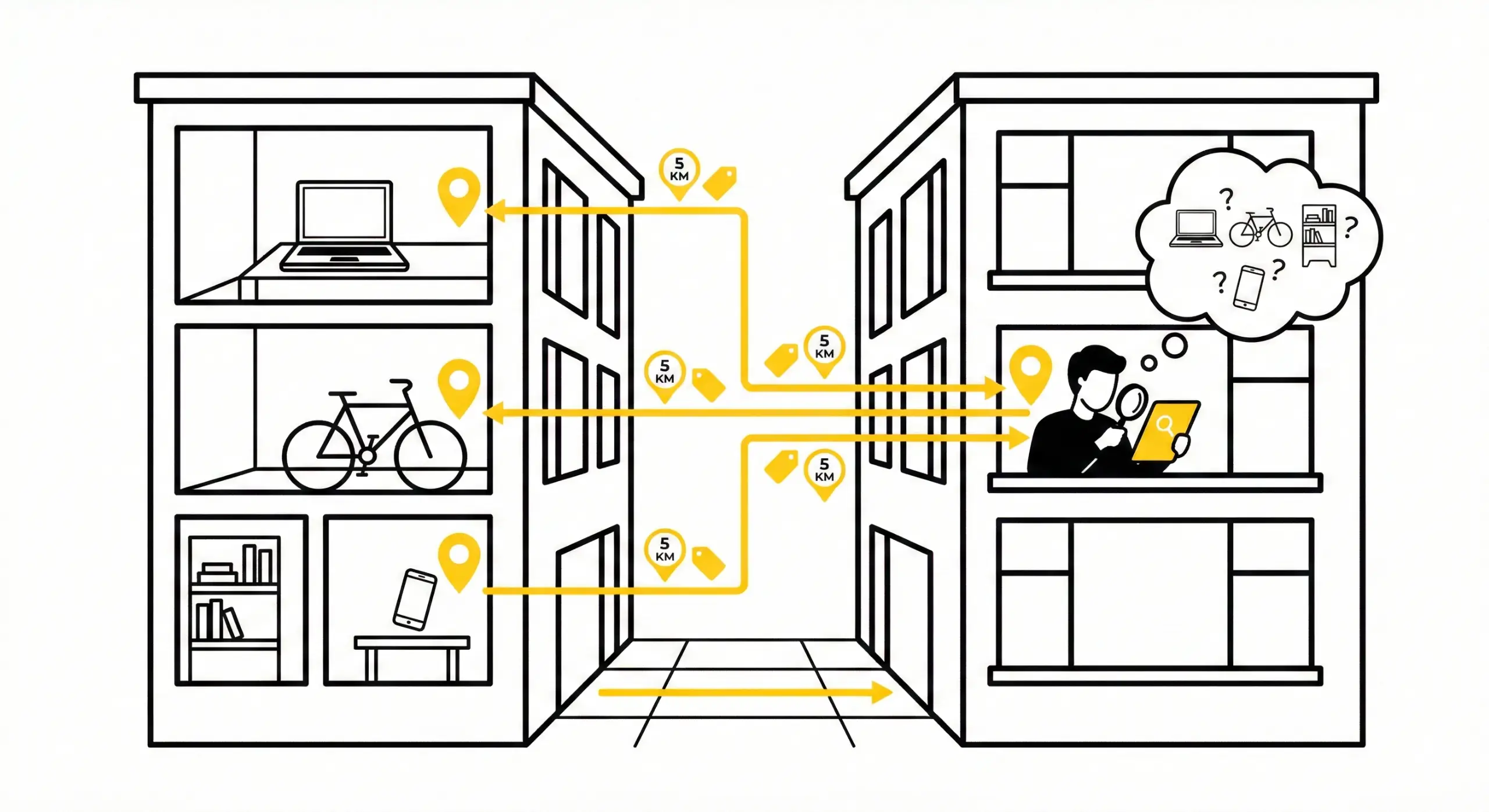
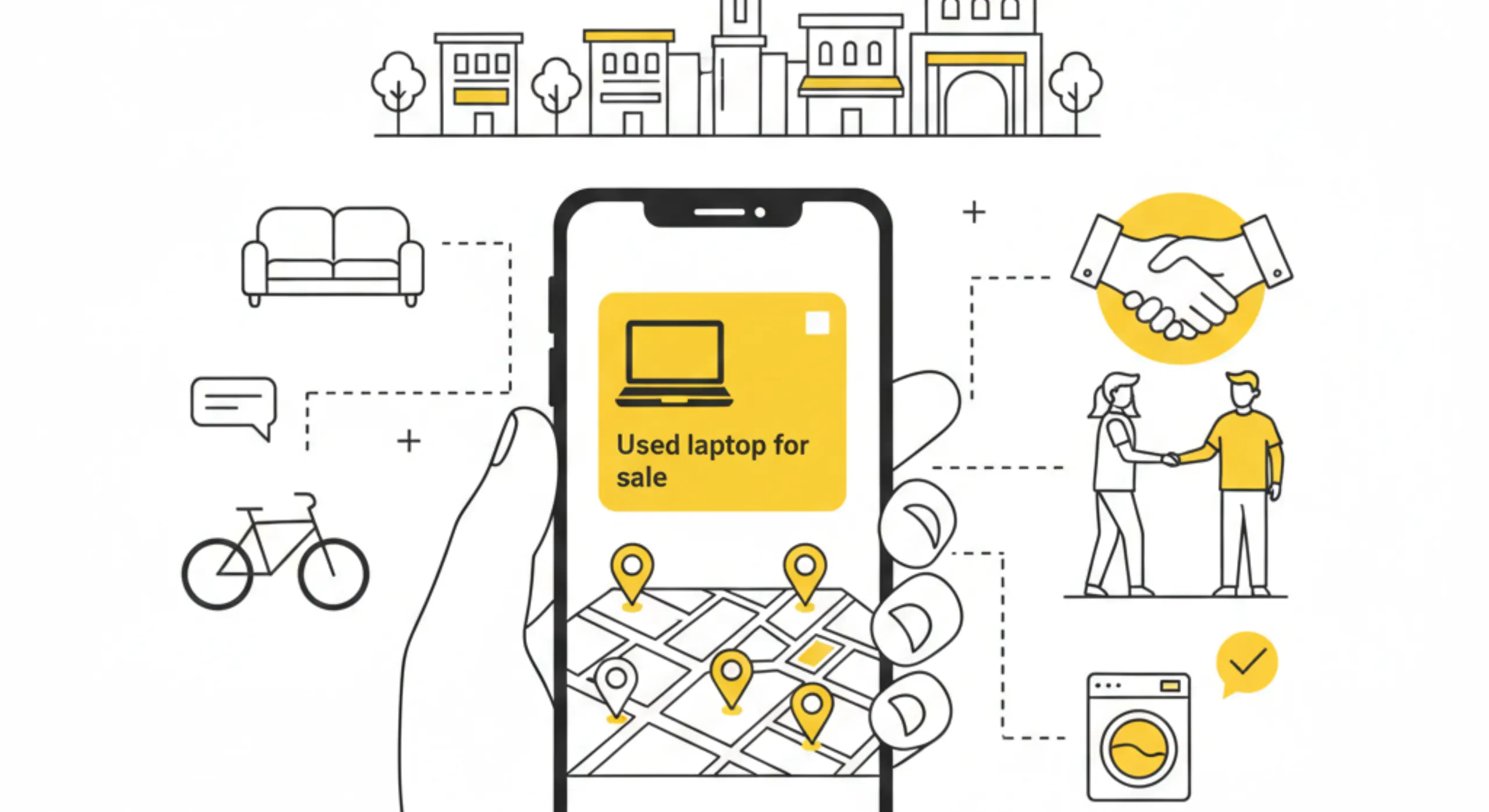
When you buy and sell locally through simple classifieds like Sympl, the entire process is straightforward – list your item, connect with nearby buyers, complete the transaction.
No elaborate systems to learn, no unnecessary steps, just practical selling that works.
Why Platforms Became So Complicated
Online marketplaces didn’t start complex. Over time, they added features, expanded services, and layered on systems until selling became a technical challenge rather than a simple transaction.
Feature creep accumulated over years
Platforms kept adding features to differentiate themselves or serve edge cases. Shipping calculators, promotional tools, seller analytics, inventory management, multi-currency support, return policies, customer service protocol.
Most individual sellers don’t need any of this.But once features exist, they clutter the interface and complicate the experience for everyone.
Platforms serve multiple user types
Large marketplaces try to accommodate everyone – individual sellers, small businesses, large retailers, international sellers, local sellers. To serve all these groups, they build complex systems with options and configurations. What a professional reseller needs becomes mandatory for someone just selling their used bike.
Commercial interests drive complexity
Platforms make money from promoted listings, premium features, advertising, and data collection. This means constantly pushing sellers toward paid options, upsells, and engagement features. The complexity serves the platform’s revenue goals, not your selling needs.
Scale requires automation and systems
When a platform has millions of users, human moderation becomes impossible. They build automated systems, algorithms, and rules engines. These systems require sellers to conform to structured data formats, follow specific procedures, and navigate bureaucratic processes that feel disconnected from the simple act of selling a refrigerator.
When you sell items fast through local classifieds, you avoid all this accumulated complexity. The platforms are built for one purpose – connecting nearby buyers and sellers – so they stay focused and simple.
What Happens When Selling Gets Too Complex
Complexity doesn’t just waste time – it actively undermines selling success.
Barriers to entry discourage sellers
When listing an item requires navigating complex interfaces and making decisions about features you don’t understand, many people just give up.
“This is too complicated. I’ll just donate the item instead.”
Complexity literally prevents transactions that should happen.
Time investment feels disproportionate
You’re selling a ₹3,000 table. Spending an hour learning a platform’s systems and setting up your listing doesn’t make sense.
The time-to-value ratio is broken. Simplicity respects the reality that most items aren’t worth massive time investment to sell.
Mistakes happen more easily
Complex systems mean more opportunities to configure something wrong – wrong category, wrong shipping option, incorrect pricing structure. These mistakes can result in your listing being invisible, incorrectly priced, or flagged by automated systems.
Simplicity reduces error possibilities.
Mental burden increases abandonment
When you have to think about inventory management, promotional strategies, keyword optimization, and platform algorithms, selling becomes work.
Most people are selling a few personal items. They don’t want a second job – they want a straightforward way to get cash for things they no longer need.
Complexity creates a mental burden that leads to abandoning the selling process entirely.
Support becomes necessary but unavailable
Complex platforms require customer support when things go wrong. But that support is often automated, unhelpful, or focused on commercial sellers. Individual sellers get stuck with problems they can’t solve, making the complexity even more frustrating.
How Simplicity Solves Real Problems
Sympl platforms aren’t just “easier to use” – they fundamentally change the selling experience for the better.
Faster listing creation
Write a description, add photos, set a price, publish. Done in minutes. No forms about product specifications you don’t know. No mandatory fields for information that’s irrelevant. Just the basics that buyers actually need.
Intuitive without training
You don’t need tutorials or guides. The interface is obvious – even if you’ve never sold anything online before. This accessibility opens selling to people who’d be intimidated by complex platforms.
Focus stays on the transaction
Sympl platforms don’t distract you with promotional tools, analytics dashboards, or upselling opportunities. You’re focused on what matters: connecting with a buyer and completing the sale.
Platforms like Sympl maintain this focus intentionally – keeping the experience about transactions, not platform engagement.
Direct communication feels natural
When the platform just facilitates messaging between you and interested buyers, conversations stay straightforward. No automated templates, no platform-mandated language, no systems getting in the way of two people coordinating a simple transaction.
Lower stress, higher completion rates
When the process is simple, you’re more likely to follow through and complete sales. You list items when you have five minutes free, not when you have an hour to dedicate to fighting with a complex interface.
Real Examples of Simplicity Winning
The student selling furniture before moving
You’re relocating in two weeks and need to sell your bed, desk, and chair. On a complex platform, you’d spend hours creating listings, answering platform-generated questions, configuring options you don’t need.
On Sympl, you write simple descriptions, add photos, and list all three items in fifteen minutes. Local buyers start messaging that evening. Everything sells within a week.
Simplicity matched your actual need – quick, straightforward sales before your deadline.
The parent clearing kids’ outgrown items
You have toys, clothes, and a cycle to sell. You’re juggling work, household tasks, and kids’ schedules. Complex platforms would require dedicated time you don’t have.
Sympl classifieds let you list during your lunch break on your phone. Nearby parents looking for affordable kids’ items find your listings and buy.The simplicity made it possible to sell at all.
The small business with excess inventory
You run a local electronics shop and have some older phone models to clear. You don’t need elaborate inventory management or promotional tools. You need visibility to local buyers and quick sales.
Sympl local classifieds provide exactly that – you list, local customers who prefer buying from known shops find you, items move fast.
The first-time seller with a bike
You’ve never sold anything online before. The idea is intimidating. Complex platforms with learning curves would likely deter you. Sympl classifieds are approachable – you can figure them out in minutes and feel confident listing your bike.
This accessibility means the sale happens instead of you giving up out of overwhelm.
How Local Buying and Selling Stays Simple
Local platforms can maintain simplicity because they’re not trying to be everything to everyone.
Narrow focus enables simple design
When a platform’s purpose is just connecting local buyers and sellers, the design can stay focused.
No need for international shipping tools, currency converters, or global logistics. Just local connections.
Fewer user types mean fewer options
Everyone using local classifieds has similar needs – sell items to nearby people, buy items from nearby sellers.This uniformity means the platform doesn’t need complex configurations for different user types.
Inspection-based transactions eliminate complexity
When buyers inspect before purchasing, you don’t need elaborate product specifications, detailed condition grading systems, or complicated return policies. The buyer sees the item and decides. Simple.
Direct transactions need minimal platform involvement
The platform introduces you to local buyers. You handle the rest directly. No payment processing systems, no escrow services, no shipping coordination. Just two people meeting and completing a transaction. This minimal platform involvement keeps everything straightforward.
Revenue models don’t require feature creep
Platforms that don’t rely on pushing sellers toward paid features can stay simple. When the business model is sustainable without constant upselling, the user experience can prioritize simplicity over monetization.
Cost and Time Benefits of Sympl Selling
Minutes to list, not hours
Creating listings takes a fraction of the time on Sympl platforms. This means you actually do it instead of procrastinating because it feels like a project.
No learning curve
You can start selling immediately without tutorials, guides, or trial-and-error. This lowers the barrier to entry and gets you to your first sale faster.
Fewer mistakes mean smoother sales
When there are fewer options to configure, there are fewer ways to mess up. Your listings work correctly the first time, without needing revisions or troubleshooting.
Mental energy stays available for other things
Selling doesn’t drain you. It’s a quick task you complete and move on from. This makes the experience sustainable rather than exhausting.
Who Benefits Most from Sympl Selling
People selling occasionally, not professionally
If you’re not running a business, you don’t need business-grade tools. Sympl classifieds match your actual use case – clearing a few personal items without complexity.
Non-technical users
Not everyone is comfortable with technology. Sympl platforms are accessible even if you’re not digitally savvy.
Time-constrained individuals
Working professionals, parents, students – people with busy lives need selling to be quick and straightforward. Simplicity respects that your time is valuable and limited.
First-time sellers
Starting with Sympl platforms builds confidence. You learn how online selling works without being overwhelmed. Once you’re comfortable, you can decide if you need more complex options. But you start simple.
Anyone frustrated with complex alternatives
If you’ve tried large platforms and found them overwhelming, Sympl local classifieds feel like a relief. Finally, a platform that just works without demanding you become a power user.
Conclusion:
There’s a common assumption that more features mean better platforms. In reality, for most users, the opposite is true. You don’t need analytics dashboards showing view trends over time. You need someone to buy your washing machine.
You don’t need automated repricing tools. You need to list a fair price based on local market rates.
You don’t need promotional campaigns. You need visibility to nearby buyers who can actually come inspect and purchase.
When you buy and sell locally through platforms like Sympl, you get exactly what you need without everything you don’t. The interface is clear. The process is obvious. The experience is respectful of your time and intelligence.
You list your items when you have a few minutes. Local buyers see them and message with genuine interest. You coordinate quick inspections. Transactions complete within days.
No elaborate systems to master. No features you’ll never use. No complexity standing between you and a completed sale. Just practical, straightforward selling that works.
That’s the power of simplicity. It removes barriers, reduces friction, and lets transactions happen naturally and efficiently. Complex platforms serve their own interests.