


A new semester starts, and the book list arrives. Engineering textbooks, medical reference books, competitive exam guides each cost ₹500 to ₹2,000 or more.
If you buy everything new, you’re looking at spending ₹10,000 to ₹15,000 on books you’ll use for a few months and never touch again. That’s money most students don’t have to spare.
Used books make sense. Someone else bought them, used them for a semester or a year, and now wants to sell them. But finding good second-hand study materials isn’t always easy. Online marketplaces show listings from across India, with shipping costs that defeat the purpose of buying used. Or the books arrive in worse condition than described.
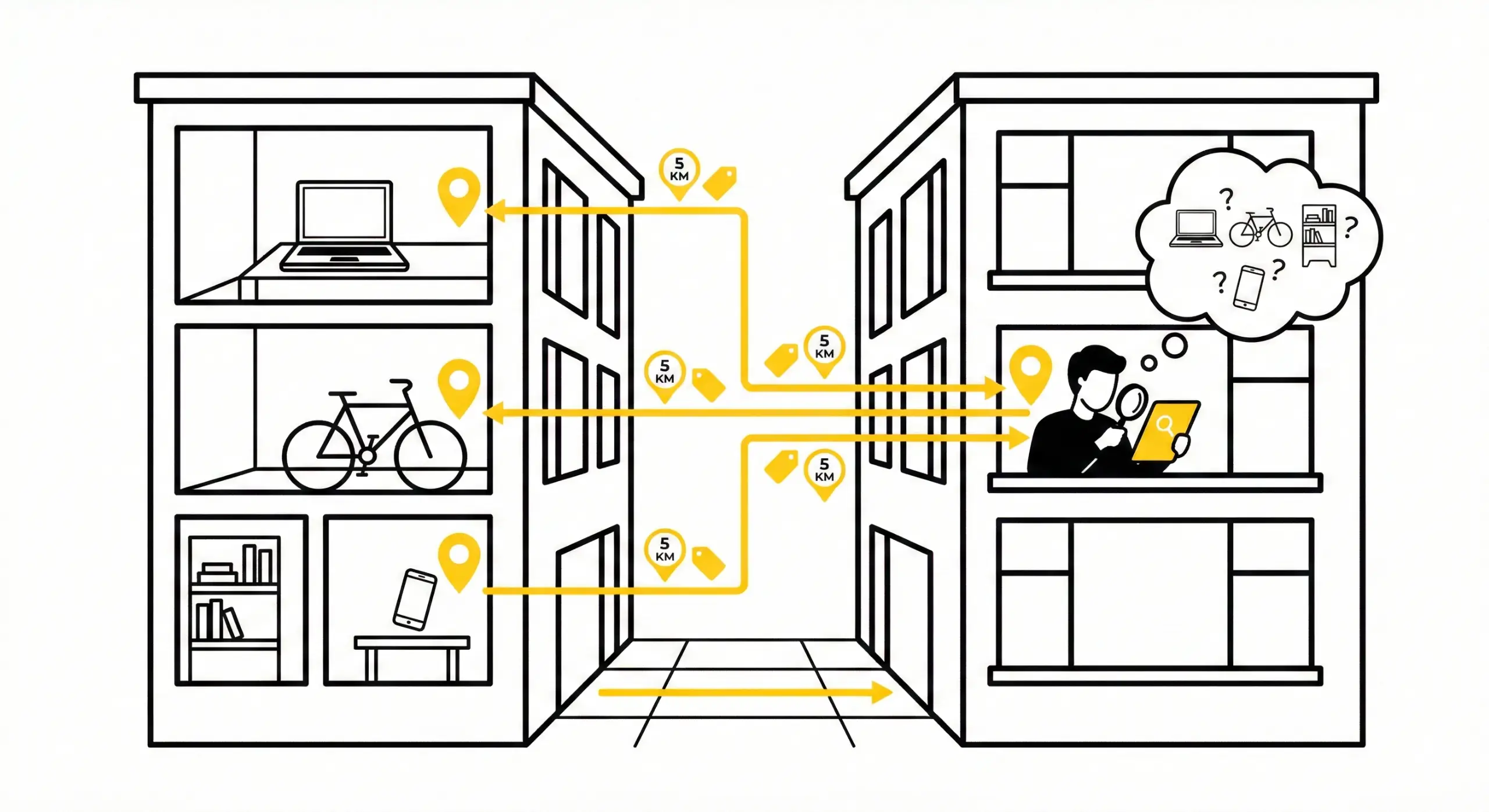
Local classifieds solve this by connecting you with students nearby often from your own college or coaching centre. You meet, check the books yourself, and only pay if they’re in usable condition. No shipping delays. No unpleasant surprises.
Why Finding Good Study Materials Locally Matters
The main problem with buying used books online is that you can’t see their real condition until they arrive.
Photos can hide torn pages, heavy highlighting, or missing chapters. What looks like “good condition” in a listing might be a book with notes scribbled on every page or water damage that makes text hard to read.
Shipping adds another layer of uncertainty. You pay upfront, wait days for delivery, and if the book isn’t what you expected, returning it becomes a hassle. Most sellers don’t accept returns on used books anyway.
For students on tight budgets, this risk feels too big. You need books that you can actually study from, not damaged copies that force you to buy new ones anyway.
When you buy and sell locally, you eliminate this uncertainty. You see the book before paying. You flip through pages, check for damage, and decide if it works for you. If it doesn’t, you walk away without losing money.
What to Check When Buying Used Books
Meeting a seller in person gives you the chance to inspect study materials properly.
Here’s what to look for:
Edition and syllabus match
Make sure the book edition matches your course requirements. Some subjects update frequently especially in engineering, medicine, and competitive exams. An older edition might be missing new topics or have outdated information. Check with your professor or syllabus before buying.
Page condition
Flip through the entire book, not just the first few pages. Look for torn pages, missing pages, or loose binding. Books with falling-apart bindings are hard to use and won’t last the semester.
Highlighting and notes
Some students highlight heavily or write notes in margins. If this bothers you, check carefully before buying. Light underlining is usually fine, but pages covered in marker can be distracting. If the seller’s notes are clear and helpful, they might actually be a bonus.
Print quality and readability
Check if the text is clear and readable. Some photocopied or pirated books have blurry text or cut-off margins. Originals are always better, but if you’re buying a photocopy, make sure every page is legible.
Water damage or stains
Look for water stains, coffee spills, or damp damage. These can make pages stick together or text smudge. Books stored in humid conditions sometimes have a musty smell too this won’t affect content but might bother you.
Important sections intact
For textbooks, check that all chapters are complete. For competitive exam books, make sure answer keys and explanation sections are there. For solved question banks, verify that solutions aren’t torn out.
Accompanying materials
Some books come with CDs, online access codes, or supplementary booklets. If these are mentioned on the cover, ask if the seller still has them. Online codes are usually one-time use and won’t work in a used book, but CDs and booklets might still be valuable.
Spending five minutes checking these things saves you from discovering problems later when it’s too late to return the book.
How Local Buying Removes Common Problems
When you connect with local buyers and sellers, the entire process becomes simpler and safer.
You’re often buying from students who studied the same course at your college or a nearby institution. They know exactly what you need because they used the same books recently.
This creates natural trust. You can ask questions like “Did this book help for the exam?” or “Is the content enough or should I get another reference?” They give honest answers because they’ve been in your position.
Meeting in person also means no shipping costs. When you’re buying multiple books, saving ₹50-100 per book on delivery adds up quickly. That money stays in your pocket instead of going to courier services.
And because everything is local, you can plan quickly. If your semester starts next week and you need books urgently, you can meet the seller tomorrow, check the books, and start studying. No waiting for deliveries or dealing with logistics.
Finding Student Sellers in Your Area
The best place to find used study materials is from students nearby who just finished the course you’re starting.
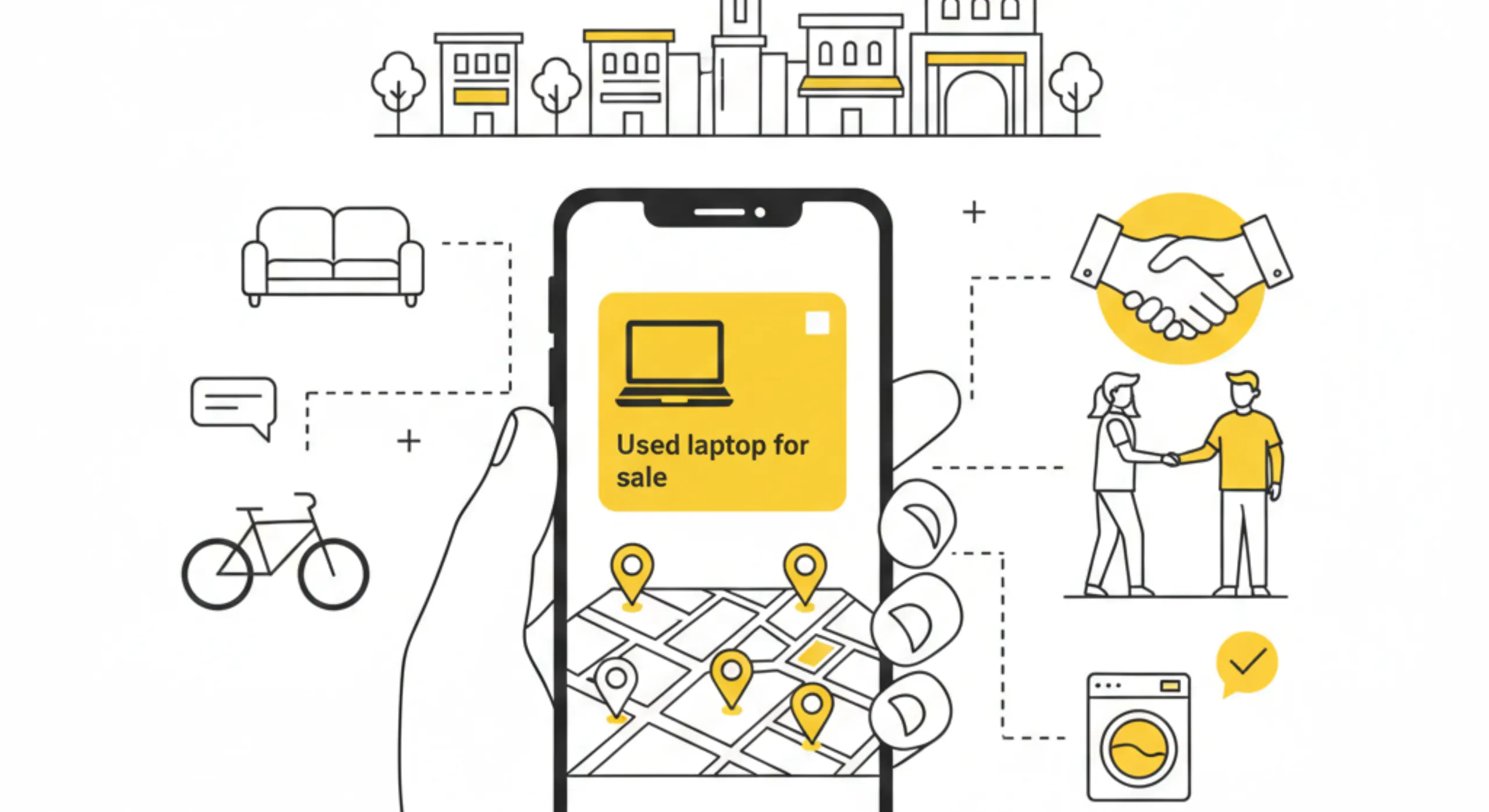
Sympl classifieds help because they focus on proximity. When you search for engineering books or NEET guides, you see listings from people in your city, often your own neighbourhood or college area.
Students selling books usually want to sell items fast. They’re clearing space in their hostel room or home, and they’d rather sell to someone nearby than deal with shipping and online payments. This works in your favour because they’re motivated to close the deal quickly.
When you find a listing that matches your needs, message the seller and confirm the book details title, author, edition, and condition. Ask if you can meet to see the book before deciding. Most student sellers are fine with this because they understand the importance of checking conditions.
Suggest meeting at a public place near campus, the college gate, a nearby café, or a library. This is convenient for both sides and feels safer than going to someone’s home.
Pricing That Makes Sense for Students
Used study materials should cost significantly less than new books, but the exact price depends on condition and demand.
Popular textbooks in good condition usually sell for 40–60% of the original price. Books with heavy highlighting or wear might go for 30–40%. Outdated editions or books with damage should cost even less.
When you buy locally, pricing tends to be more realistic because sellers know what students can afford. They’re not trying to make profit, they just want to recover some of what they spent and clear out books they no longer need.
You can negotiate based on condition. If you notice torn pages or missing sections, mention it and discuss a lower price. If you’re buying multiple books from the same seller, ask for a bundle discount.
Before meeting the seller, check what the book costs new either online or at a bookstore. This gives you a reference point. If the used price is too close to the new price, it might be worth buying new for the better condition.
Low-cost buying works when you’re getting genuine value a book you can study from at a price that saves you meaningful money.
Who Benefits Most from Buying Locally
This approach to buying study materials works especially well for certain students.
First-year students setting up their library
When you’re just starting college, you need multiple textbooks at once. Buying everything used from local sellers can save you thousands of rupees in the first semester itself.
Competitive exam aspirants
If you’re preparing for UPSC, CAT, NEET, or JEE, you need multiple reference books and question banks. Buying these second-hand from students who’ve already cleared the exam gives you quality materials at affordable prices.
Students in expensive courses
Medical and engineering students often need costly specialized textbooks. Buying used from seniors who’ve finished those subjects makes these courses more financially manageable.
Anyone on a tight budget
If you’re funding your own education or your family is supporting multiple students, every rupee saved matters. Local buying helps you get the books you need without financial stress.
Students who prefer practical solutions over complicated online shopping will find this method more reliable.
Selling Your Own Books After the Semester
Once you finish a course, selling your books locally is just as straightforward.
You don’t need perfect conditions or original bills. Just post a clear listing mentioning the book title, author, edition, and honest condition description. Take photos of the cover and a few inside pages.
Junior students from your college or coaching centre will be actively looking for exactly those books. Because you’re local, they can come check and buy quickly often within days of you posting.
You recover some of your book costs, and the books go to someone who needs them instead of gathering dust on your shelf. It’s a practical cycle that benefits everyone.
When selling, the price is fairly based on condition. Be honest about highlighting or notes. Mention if you found the book particularly helpful that kind of insider knowledge helps buyers decide and builds trust.
Making the Purchase Without Complications
Once you’ve found the right book and arranged to meet the seller, the actual transaction is simple.
Meet at the agreed location and time. Check the book thoroughly and don’t feel rushed. Flip through pages, check binding, look for damage. If everything looks good, discuss the final price.
Most students pay in cash or UPI. The seller hands over the book, you hand over payment, and you’re done. The whole meeting takes 10–15 minutes.
If you’re buying multiple books, bring a bag. If the books are heavy, consider meeting somewhere you can easily carry them from near a bus stop or auto stand if you’re using public transport.
Some sellers might have other useful materials notes, previous year question papers, or supplementary guides. Ask if they’re selling those too. Often these extras come cheap or even free because sellers just want to clear everything out.
Why Sympl Classifieds Work Better for Study Materials
Crowded marketplaces mix student sellers with commercial book resellers and online stores.
Your search results show everything from individual students selling one or two books to bulk sellers with hundreds of listings. Finding genuine student-to-student deals becomes difficult when commercial listings dominate.
Sympl classifieds focus on direct local connections. When you search for books, you see listings from real students in your area selling materials they actually used, not businesses reselling stock.
This keeps prices honest and interactions straightforward. No commercial markup. No pressure to buy more than you need. Just students helping other students access affordable study materials.
For buyers, this means finding books at genuine second-hand prices from people who understand exactly what you need. For sellers, it means selling items fast to motivated buyers without complicated shipping or marketplace fees.
Moving Forward with Your Book Purchase
Buying used study materials locally removes the guesswork and risk that comes with online shopping.
You meet the seller, inspect books yourself, and only pay for materials you’ve actually seen and approved. The books might have some wear, but you know exactly what you’re getting before money changes hands.
You save significant amounts, sometimes thousands of rupees per semester which makes education more affordable. The books work just as well for studying as new ones would, and you’re not paying extra just for that fresh-book feel.
And because you’re buying from students nearby, the entire process happens quickly. You find listings today, meet tomorrow, and start studying this week. No delivery delays or logistics to manage.
This is how local buying and selling works for students practical, affordable, and built around the simple reality that checking a book in person before buying it just makes sense. Especially when your academic success depends on having the right materials to study from.