

Introduction:
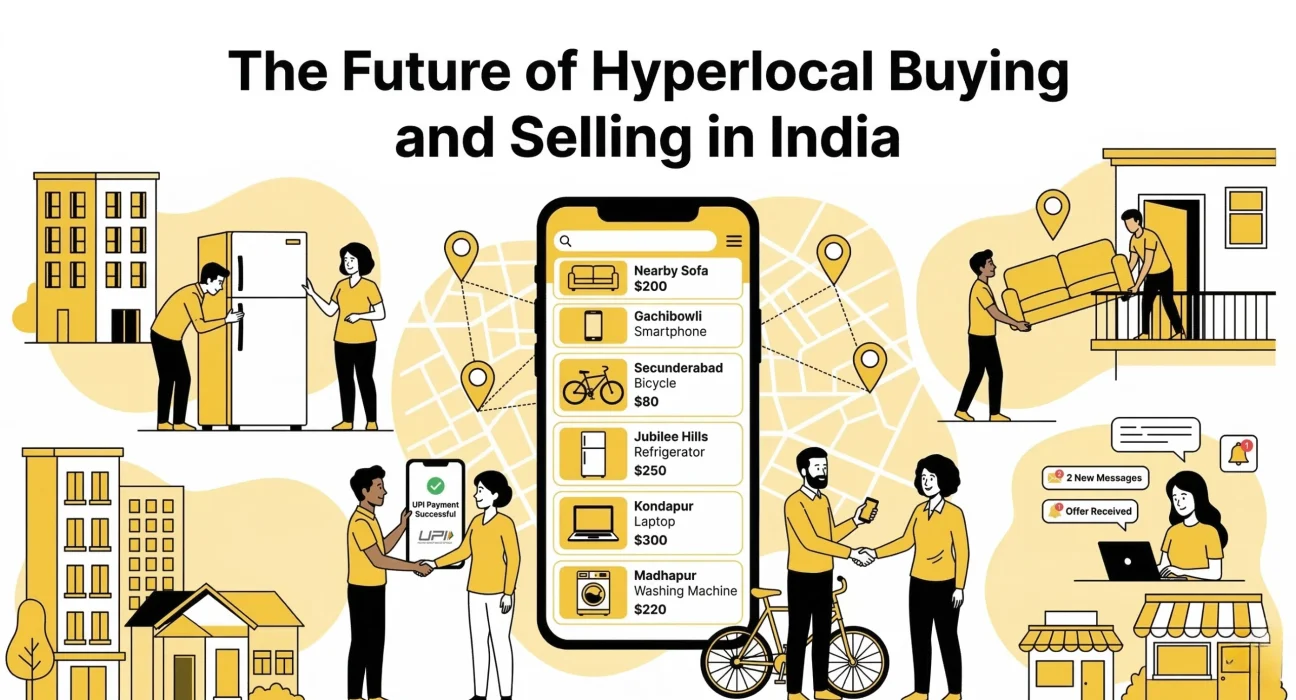
For years, the dominant idea in Indian e commerce was scale bigger platforms, more sellers, and wider delivery reach. Today, The Future of Hyperlocal Buying and Selling in India is reshaping this thinking, as more buyers prefer simple local transactions over complex nationwide marketplaces.
That assumption is being quietly questioned by millions of everyday users who have grown tired of the complexity that comes with scale. Waiting days for delivery. Dealing with return policies that are harder to use than advertised. Paying for packaging and logistics that add cost without adding value. Receiving items that do not match their descriptions because no one could inspect them before buying.
The correction happening in the market is not dramatic. It is gradual and practical. More people are choosing to buy and sell locally through Sympl Classifieds because it solves real problems that large platforms have made worse.
In India, this shift toward hyperlocal buying and selling is gaining momentum in exactly the cities where large platform fatigue is most felt. Cities with dense residential populations, active second-hand markets, and communities that already have informal trust networks are seeing local classifieds become a genuine first choice rather than a fallback option.
Hyderabad is one of these cities. And the best classified sites in Hyderabad that understand this direction are the ones building for what buyers and sellers actually need rather than for platform metrics.
The Core Problem: Scale Without Relevance Serves No One Well
The dominant model of large national marketplaces created an illusion of abundance. Thousands of listings for any item you could want. Sellers from every corner of the country. Prices that appear competitive until you add delivery charges, platform fees, and the occasional cost of a return that did not go smoothly.
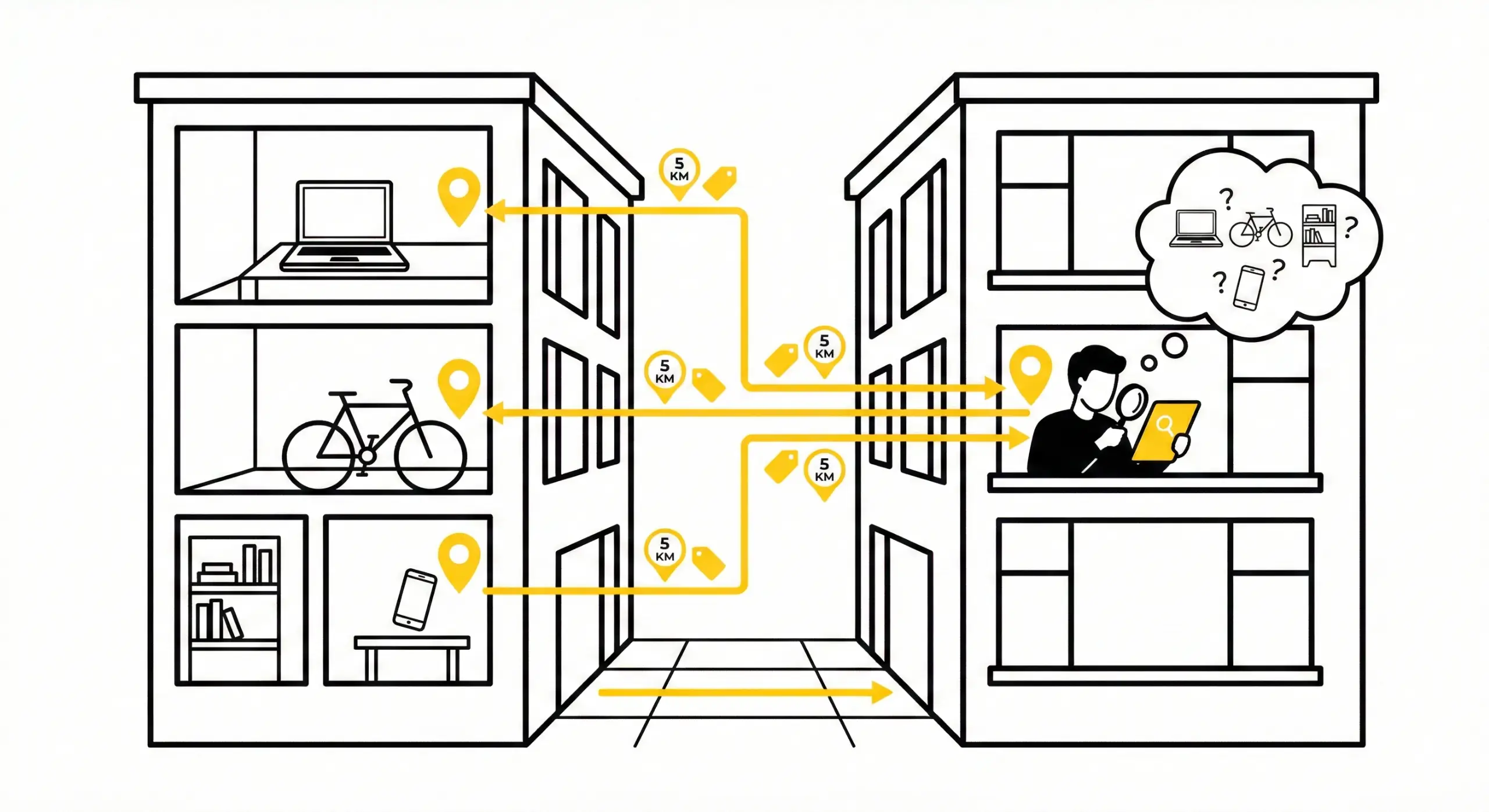
For buyers of second-hand items especially, scale without local relevance is frustrating rather than helpful. A buyer in Kukatpally looking for a second-hand sofa does not benefit from seeing listings from Pune, Bengaluru, and Delhi. Those listings are not actionable. They create noise that makes finding the relevant nearby listing harder, not easier.
For sellers, large platforms mean competing with dealers, aggregators, and sponsored listings for visibility. An individual selling one item from their home cannot compete for attention with a professional seller who has optimised their listings for platform algorithms.
The practical result is that individual sellers on large platforms wait longer than they should, get lower prices than their items deserve, and deal with more enquiries that go nowhere than is reasonable.
Hyperlocal platforms solve this by reducing the geography to the level where transactions are actually practical. The buyer and seller are in the same city, the same locality, sometimes the same building. The listing is relevant. The transaction is possible. The outcome benefits both sides.
What the Future of Hyperlocal Commerce Looks Like in Practice
The direction of hyperlocal buying and selling in India is shaped by a few consistent patterns that are already visible and are likely to become more pronounced.
Neighbourhood Becomes the Primary Filter
The natural unit of commerce for most everyday second-hand transactions is not the city. It is the locality. A buyer who needs a dining table, a second-hand scooter, or a working refrigerator is not searching across all of Hyderabad. They are effectively searching within a radius of a few kilometres where they can realistically inspect, arrange transport, and complete the transaction.
Platforms that surface listings at this neighbourhood level rather than city level will serve buyers and sellers better. The listings are more relevant. The enquiries are more serious. The deals complete faster.
This is already happening informally through society WhatsApp groups and area-specific Facebook groups. The next step is a dedicated platform that does this more cleanly and with more reliability than informal social media groups can offer.
Trust Becomes the Main Platform Feature
As hyperlocal commerce matures, the primary differentiator between platforms will not be the volume of listings. It will be the trustworthiness of the connections.
Buyers are not looking for more listings. They are looking for listings they can trust. Sellers are not looking for more enquiries. They are looking for genuine buyers.
Trust in a hyperlocal context is built through a combination of community accountability, transparent user history, and the natural social verification that comes from people transacting within a shared geography. A seller who lives in the same complex or the same locality as the buyer has an informal accountability that a distant, anonymous seller does not.
Platforms that enable and reflect this community-based trust will attract users who have been burned by the anonymity of larger platforms. The trend is already visible in how users describe their platform preferences: not the most listings but the most genuine ones.
Direct Transactions Without Intermediary Layers
One of the clearest directions in hyperlocal commerce is toward simpler, more direct transactions. The layering of payment intermediaries, shipping coordination, escrow systems, and review management that large platforms have added create complexity without always adding value for everyday second-hand transactions.
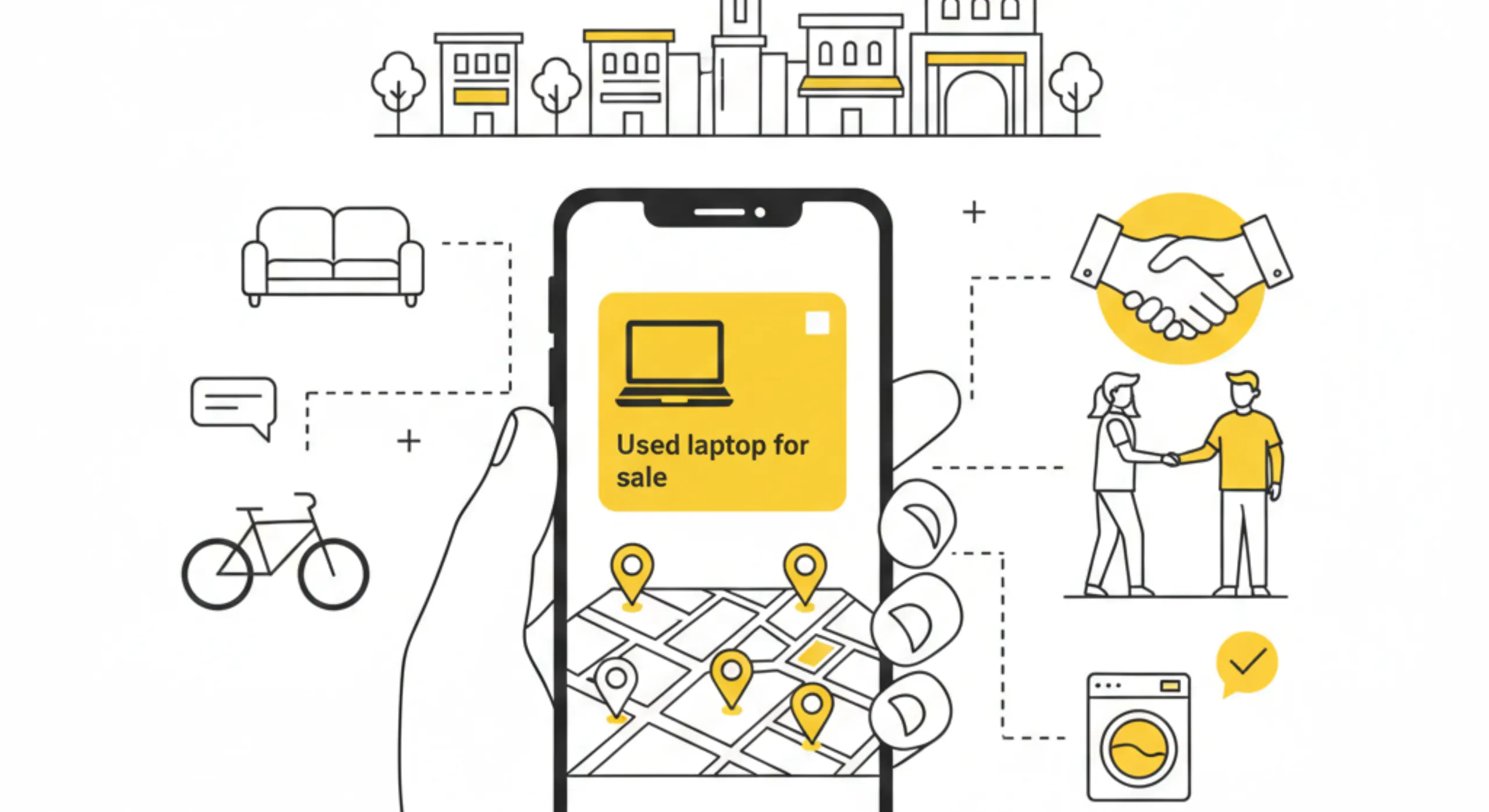
A buyer who can meet the seller, inspect the item, pay via UPI, and take the item home in one visit has a better experience than one who navigates a multi-step platform process for the same transaction.
The future model for everyday local transactions is fewer steps, not more. Platforms that keep the process between buyer and seller direct, and limit their role to facilitating the initial connection and providing a safe communication channel, will be more useful for the majority of users than platforms that try to own every step of the transaction.
Mobile-First and Voice-Enabled Access
India’s next wave of local classifieds users will access platforms primarily through smartphones, many of them through vernacular language interfaces. The ability to list and search in Telugu, Hindi, Tamil, or other regional languages is not a niche feature. It is a prerequisite for reaching the full population of potential local buyers and sellers.
Platforms that invest in accessible, mobile-first design and regional language support will grow their user base significantly beyond the English-comfortable urban professional segment that currently dominates classifieds usage.
This democratisation of local classifieds will bring in sellers and buyers from segments that currently rely on informal networks because existing platforms are not accessible to them. The second-hand market in India is far larger than what current platforms capture. Hyperlocal platforms designed for broader access will tap into that latent market.
Sustainability and the Second-Hand Economy
Awareness of the environmental cost of new production and the waste of discarding usable items is growing among Indian urban consumers, particularly younger ones. This awareness is already influencing buying decisions and will continue to do so.
The second-hand economy is increasingly seen not just as a budget option but as a deliberate choice. Buying a good-condition used phone rather than a new one, furnishing a home with well-made second hand items rather than fast furniture, extending the useful life of electronics and appliances through resale, all of these behaviours reduce waste and reflect a more conscious approach to consumption.
Hyperlocal classifieds are the natural infrastructure for this kind of conscious second-hand economy. Items change hands locally, without the packaging and shipping carbon cost of distant transactions. Good quality items find new owners who will use them rather than ending up in landfill. The economic and environmental logic align.
How These Trends Affect Buyers and Sellers Right Now
Understanding where hyperlocal commerce is heading has practical implications for anyone using local classifieds today.
For Sellers
The shift toward hyperlocal relevance means that listing on a platform that reaches your actual neighbourhood is more valuable than reaching a large but geographically diffuse audience. Ten genuine local enquiries are worth more than a hundred irrelevant ones from across the country.
As sustainability awareness grows, honest and detailed descriptions that help buyers understand the item’s history and condition are more valued than ever. Buyers who are making deliberate second-hand choices want to know what they are getting. Transparency in listings rewards sellers with faster, more committed buyers.
The trend toward direct transactions means that sellers who keep their process simple, meet buyers in person, and avoid unnecessary complexity will have better experiences than those who try to replicate large platform processes at the local level.
For Buyers
The growth of neighbourhood-level platforms means better access to locally relevant listings without the noise of irrelevant results from distant sellers. Searching locally will surface better options more consistently as these platforms mature.
As trust becomes a more prominent platform feature, buyers will have more information to make confident decisions. Community accountability, seller history within a locality, and the natural verification of in-person inspection combine to make low-cost buying through local classifieds a reliably good experience rather than a hit-or-miss one.
The growing second-hand economy means more quality items available at reasonable prices from sellers who are making a considered choice to sell rather than discard. The average quality of items available through local classifieds is improving as the culture of conscious second-hand buying and selling becomes more mainstream.
Practical Steps for Anyone Who Wants to Participate in This Shift
Whether you are buying or selling, engaging with local classifieds in a thoughtful way positions you well for the direction this market is moving.
For sellers who want to sell items fast and reach the right buyers:
- List on platforms that prioritise local relevance over national volume
- Write descriptions that are honest, specific, and address the questions a serious nearby buyer would have
- Include clear photos taken in natural light that show actual condition including minor wear
- Price based on current local market listings rather than original purchase price or emotional attachment to the item
- Respond promptly and confirm inspection times quickly, because local buyers are comparing nearby options and the first responsive seller usually gets the deal
For buyers who want to find genuine deals through low-cost buying:
- Search platforms that surface nearby listings first rather than burying them in a national feed
- Browse regularly in your specific category of interest rather than searching only when the need is urgent
- Be a committed buyer when you find what you need, respond clearly, confirm inspection, and complete the transaction without unnecessary delay
- Leave honest feedback when platforms provide the facility, because your contribution to the trust layer of the platform benefits every future user
How Sympl Fits Into the Direction of Hyperlocal Commerce
Platforms that serve hyperlocal buying and selling well share a set of characteristics. They keep the transaction direct. They surface nearby listings to relevant buyers. They do not add layers of complexity between buyer and seller that make the process harder than it needs to be.
Sympl is built around these principles. The focus is on enabling straightforward connections between local buyers and sellers in the same city and neighbourhood, without the noise and friction that large national platforms introduce.
As the hyperlocal buying and selling market in India develops, the platforms that remain most useful will be those that stay closest to what their users actually need. Not the most features or the most listings. The most relevant connections, the most direct transactions, and the most honest exchanges between real people in the same locality.
Cost and Time Benefits of Joining the Hyperlocal Shift
The practical advantages of engaging with local classifieds now, as the market is developing, are real.
Sellers who list on local platforms with a genuine neighbourhood audience sell items fast without the drawn-out process that large national platforms require. The time saved across a single transaction is meaningful. Across multiple transactions over a year, it is significant.
Buyers who access local classifieds for second-hand items consistently pay less than retail while getting items they have been able to inspect and verify. The savings are direct, with no platform commission inflating seller prices or delivery charges adding to buyer costs.
No packaging, no shipping, no delivery waiting. The logistical simplicity of a local transaction, where buyer and seller are close enough to meet the same day, has a real cost value that is easy to underestimate until you have experienced the alternative.
Community-level trust reducing failed transactions. As hyperlocal platforms build trust mechanisms that reflect neighbourhood accountability, the rate of deals that fall apart before completion will continue to decline. Every failed transaction wastes time and sometimes money. Reducing them is a direct practical benefit.
Who Is Best Positioned to Benefit From Hyperlocal Commerce in India
Families in Rapidly Growing Residential Areas
Cities like Hyderabad are adding large residential complexes at a consistent pace. Families moving into these areas have immediate needs for home setup items and will generate a consistent supply of items as they upgrade and relocate over coming years. Hyperlocal platforms serve both sides of this cycle.
Students and Young Professionals
The segment most actively seeking low-cost buying options and most comfortable with mobile-first platforms. They are natural early adopters of hyperlocal classifieds and will benefit most as these platforms reach critical mass in their specific localities.
Working Professionals With High-Value Second-Hand Items
IT professionals, corporate employees, and others with electronics, vehicles, and quality furniture to sell benefit from a local platform that reaches informed, serious buyers rather than a national platform where their listing competes with dealers for attention.
First-Time Sellers Entering the Second-Hand Market
As the second-hand economy becomes more mainstream, more people are entering the market for the first time. Simple, locally focused classifieds with direct transaction models are more accessible and less intimidating for first-timers than complex national platforms with elaborate processes.
Anyone Who Prefers Practical Over Complex
The simplest description of who benefits most from hyperlocal classifieds is anyone who wants a transaction to work without more effort than the transaction actually warrants. A sofa changing hands between two neighbours should not require a platform process designed for a national retail operation.
Conclusion:
The future of buying and selling in India is not a single national marketplace trying to serve every need for every person in every city. It is a network of local connections where buyers and sellers who share a geography, a context, and a community complete transactions that work for both of them.
This is not a retreat from technology. It is technology being used at the right scale for the right purpose. Local classifieds that prioritise neighbourhood relevance, direct transactions, and community trust are not a simpler version of large platforms. They are a better tool for the specific job of connecting nearby people who want to exchange things of value.
India’s cities are full of good quality items that are unused, underused, or no longer needed by their current owners, and full of buyers who need exactly those things at prices that make sense. The gap between them is not a product problem or a technology problem. It is a connection problem that local classifieds are increasingly well positioned to solve.
Sympl, among the Best Classified Sites in Hyderabad for local buying and selling, is part of this direction. A platform built for direct, local, honest transactions between people who are close enough to meet, inspect, and complete a fair exchange without unnecessary complexity.
The shift toward hyperlocal is already happening. The practical benefits are already available to anyone who chooses to buy and sell locally through a platform designed for exactly that purpose.