


Every enterprise transformation initiative eventually confronts the same hard reality. You can build brilliant new applications, implement cutting-edge platforms, and design elegant user experiences. But if those systems can’t exchange data reliably with your existing enterprise infrastructure, the transformation stalls.
Integration is where digital transformation either succeeds or becomes expensive theater. New systems that operate in isolation don’t transform anything. They add complexity without delivering the operational improvements or strategic capabilities that justified the investment.
Yet integration consistently gets treated as a technical afterthought rather than the architectural foundation it actually is. Projects allocate inadequate time and budget for integration work. Teams underestimate the complexity of connecting systems that were never designed to work together. Organizations discover integration challenges late in delivery when the cost and timeline impact are most severe.
Enterprises that approach integration seriously from the start deliver transformations that work. Those that don’t end up with disconnected systems, manual workarounds, and transformation programs that fail to deliver promised value.
Why Integration Is Harder Than It Looks
The conceptual model of integration sounds straightforward. System A needs data from System B. You build an API connection, map the data fields, and information flows between systems. In practice, enterprise integration involves solving problems that aren’t visible until you’re deep into implementation.
The first problem is data incompatibility. Different systems represent the same business concepts in different ways. Customer records in your CRM don’t match customer records in your ERP. Product hierarchies in your inventory system don’t align with product categorization in your e-commerce platform. Order statuses mean different things in different systems.
Mapping these differences requires detailed understanding of how each system models data and what business rules govern that data. This isn’t technical work that developers can figure out independently. It requires business analysts who understand operational processes and data governance specialists who know what data quality standards need to be maintained.
The second problem is timing and state management. Systems process information at different speeds and update their data on different schedules. When you integrate systems, you need to handle scenarios where data in one system is newer than data in another system. You need reconciliation logic that resolves conflicts. You need error handling that manages situations where one system is temporarily unavailable.
The third problem is scale and performance. An integration that works perfectly in testing can create serious problems in production when handling real transaction volumes. API rate limits that seemed generous during development become bottlenecks under actual load. Database queries that returned results quickly with test data slow to unusable speeds with production data volumes. Network latency that was negligible in testing becomes noticeable when processing thousands of transactions daily.
The fourth problem is operational complexity. Every integration point is a potential failure point. When problems occur, diagnosing them requires understanding data flows across multiple systems, each with its own logging and monitoring capabilities. You need visibility into what data moved between systems, when it moved, and what transformations were applied. Without proper observability, troubleshooting integration failures becomes guesswork.
The Hidden Cost of Poor Integration
Enterprises regularly launch new systems without adequate integration, then spend years dealing with the consequences. The costs aren’t always obvious in financial terms but they’re substantial when measured in operational efficiency and strategic capability.
Manual data reconciliation is the most visible symptom. Staff spend hours extracting data from one system, reformatting it, and entering it into another system. This work is tedious, error-prone, and absorbs capacity that could be used for higher-value activities. More importantly, the delays inherent in manual processes mean data is never current across systems.
Data inconsistency is another common problem. When systems don’t integrate properly, the same information exists in multiple places with different values. Sales has one version of customer data, finance has another version, and operations has a third. Nobody knows which version is authoritative. Decisions get made based on incomplete or incorrect information because there’s no single source of truth.
Business process limitations emerge when systems can’t exchange information automatically. Approvals get delayed because data needs to move manually between systems. Customer requests can’t be fulfilled quickly because information isn’t available where it’s needed. Exception handling requires human intervention because automated workflows can’t span disconnected systems.
Strategic initiatives fail when integration challenges prevent you from using data effectively. Analytics projects can’t deliver insight because relevant data is trapped in siloed systems. Customer experience improvements stall because systems can’t share information in real-time. Automation initiatives are impossible when systems can’t trigger actions in each other based on business events.
All of these problems trace back to integration decisions made during initial implementation. Fixing them later is expensive because it requires changes to systems already in production, coordination across multiple teams, and careful migration to avoid disrupting ongoing operations.
The Architecture That Makes Integration Sustainable
Sustainable enterprise integration requires architecture that can evolve as systems change and business requirements grow. Point-to-point connections between systems don’t scale. When you have ten systems, managing individual connections becomes unwieldy. When you have fifty systems, it becomes impossible.
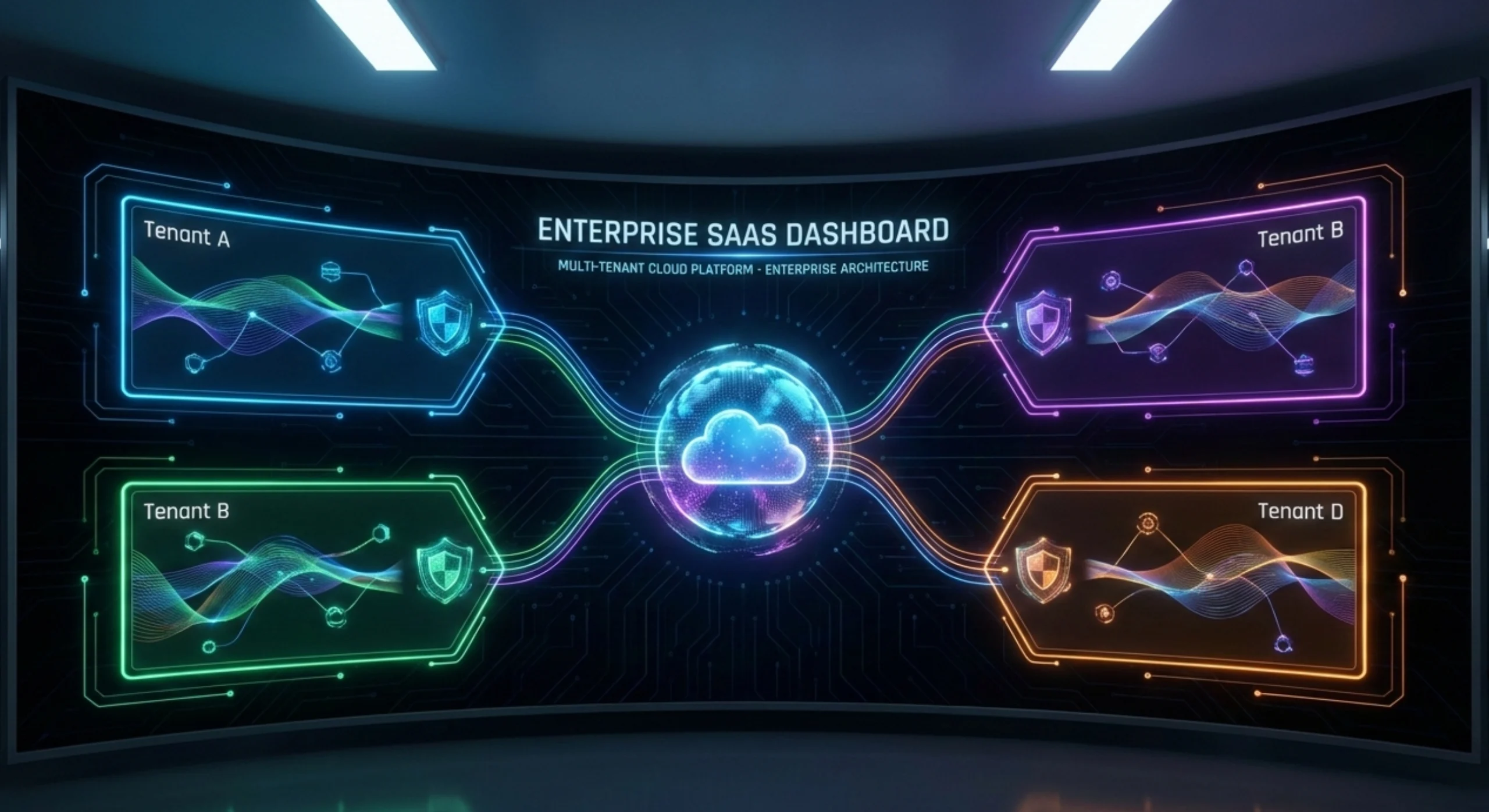
Integration platforms provide the architectural foundation for manageable system connectivity. These platforms sit between your various enterprise systems and handle the data transformation, routing, and orchestration that integration requires. Instead of every system connecting directly to every other system, they all connect to the integration platform which manages the complexity.
This centralized approach provides several advantages. Data transformations happen in one place rather than being scattered across dozens of individual integrations. Monitoring and logging are consistent across all integrations. Changes to one system don’t require modifications to every system it connects to. Security policies and data governance rules can be enforced centrally.
The platform architecture also enables reusability. Common data transformations get built once and reused across multiple integrations. Standard connectivity patterns get established and applied consistently. When new systems get added, they can leverage existing integration capabilities rather than starting from scratch.
However, integration platforms aren’t magic solutions that eliminate complexity. They need to be implemented thoughtfully with proper data modeling, clear governance policies, and operational processes that support ongoing maintenance. Enterprises that treat integration platforms as out-of-the-box solutions consistently struggle with them.
How Ozrit Approaches Integration Programs
Ozrit has delivered integration programs for large enterprises where dozens of systems needed to exchange data reliably to support critical business processes. The approach reflects practical experience with what works at scale and what creates problems.
Integration planning starts during discovery, not after application development is complete. Ozrit’s senior solution architects work with clients to map existing system landscape, identify all necessary integration points, understand data flows, and design integration architecture before any development begins. This upfront work identifies challenges early when addressing them is less expensive.
The company’s integration teams include specialists with deep experience in enterprise integration patterns, API design, data transformation, and system orchestration. These aren’t general developers working on integration as a side task. They’re engineers who’ve built and maintained integration platforms at enterprise scale and understand the operational challenges that emerge over time.
Ozrit implements integration platforms using proven enterprise-grade technology rather than custom-building integration infrastructure. The platforms get configured specifically for each client’s system landscape and business requirements. This approach balances the need for customization with the operational benefits of working with established, well-supported integration technology.
Data mapping receives particular attention because it’s where most integration projects encounter unexpected complexity. Ozrit’s business analysts work directly with client subject matter experts to understand how data should flow between systems, what transformations are required, and how to handle edge cases. This collaboration produces detailed data mapping specifications that developers can implement reliably.
Testing for integration projects is more extensive than standard application testing. Unit tests verify individual transformations. Integration tests verify end-to-end data flows across multiple systems. Performance tests validate behavior under realistic load. Error scenario tests ensure the system handles failures gracefully. This comprehensive testing catches problems before they reach production.
Project timelines for enterprise integration programs typically run six to twelve months depending on the number of systems being integrated and complexity of data transformations required. Ozrit structures these timelines to accommodate the coordination challenges inherent in integration work, including dependencies on other teams, access to production systems for testing, and change management across multiple system owners.
Post-launch support for integration platforms is essential because these systems operate continuously and problems impact multiple business processes simultaneously. Ozrit provides 24/7 monitoring and support with engineers who understand the integration architecture and can diagnose data flow issues quickly. When integration problems occur, rapid response prevents minor issues from cascading into major business disruptions.
The Governance Challenge Nobody Solves Upfront
Technical integration is only half the challenge. The other half is organizational governance around how systems should integrate and who controls integration logic. Most enterprises don’t address this until conflicts emerge and different teams have built incompatible integration approaches.
The core governance question is who owns the data and who owns the transformations. When Customer data flows from CRM to ERP, which system is authoritative? When data needs transformation, where does that logic live? When business rules change, who makes the updates and how do changes get tested and deployed?
Without clear answers, integration initiatives devolve into political battles. System owners protect their territory. Projects stall while teams debate who should make changes. Emergency fixes get implemented as quick patches that create technical debt. The integration layer becomes fragile because nobody has clear responsibility for maintaining it.
Successful integration programs establish governance frameworks early. They define data ownership clearly. They specify where different types of logic belong. They create change management processes that balance the need for agility with the requirement for stability. They assign clear ownership for integration platform operations.
This governance work is organizational, not technical. It requires executive sponsorship and cross-functional agreement. Technology teams can’t solve it independently. But without it, even technically excellent integration implementations struggle operationally.
When to Invest in Integration Infrastructure
Not every integration scenario justifies sophisticated integration platforms. Small organizations with a handful of systems can manage with simpler approaches. But once you reach certain thresholds, the investment in proper integration infrastructure becomes justified by reduced operational cost and increased strategic capability.
The first threshold is system count. When you’re managing integration between five or fewer systems, point-to-point connections might be manageable. Beyond ten systems, centralized integration architecture becomes necessary to maintain reasonable complexity.
The second threshold is data criticality. When integrated data flows support mission-critical business processes, reliability requirements demand professional integration infrastructure. Manual workarounds and fragile custom connections create unacceptable business risk.
The third threshold is change frequency. If your system landscape is static and integration requirements rarely change, simpler approaches might suffice. When systems change frequently, business requirements evolve continuously, and new systems get added regularly, investment in integration platforms pays dividends through reduced cost and time for each change.
The fourth threshold is compliance and governance requirements. Regulated industries need audit trails, data lineage tracking, and enforcement of data policies. Proper integration platforms provide these capabilities. Ad hoc integration approaches generally don’t.
Enterprises crossing these thresholds face a choice. Invest in integration infrastructure proactively, or accumulate integration technical debt that eventually forces a more expensive remediation program. The financial math consistently favors proactive investment.
What Integration Enables
When integration works properly, it stops being a constraint and becomes an enabler. New systems can be added to the enterprise landscape without requiring custom integration work for every connection. Data flows reliably across systems supporting automated business processes. Analytics initiatives have access to comprehensive data across the enterprise. Customer experiences improve because information is available where and when it’s needed.
More importantly, proper integration architecture creates strategic optionality. You can consider new technologies and platforms knowing that integration won’t be a barrier to adoption. You can modernize systems incrementally rather than requiring risky big-bang replacements. You can respond to market opportunities that require system changes knowing those changes won’t take months to integrate with existing infrastructure.
This optionality is what transforms integration from a technical requirement into a strategic asset. Organizations with solid integration architecture can move faster and take advantage of opportunities that competitors with fragile system connectivity must pass on. The competitive advantage isn’t obvious in quarterly financial reports, but it’s real and it compounds over time.