

Your brand’s visual identity often forms a customer’s first impression, sometimes before they read a single word about what you do. Logos, websites, packaging, marketing collateral, and social media graphics all shape how people perceive your business. That’s why choosing among the many graphic design companies available today is a decision worth getting right.
Many business owners search for a design partner only after a bad experience: missed deadlines, inconsistent branding, or designs that simply don’t reflect the business. This guide walks through exactly what to look for, what questions to ask, and how to evaluate graphic design companies so you can hire with confidence instead of guesswork.
What Does a Graphic Design Company Actually Do?
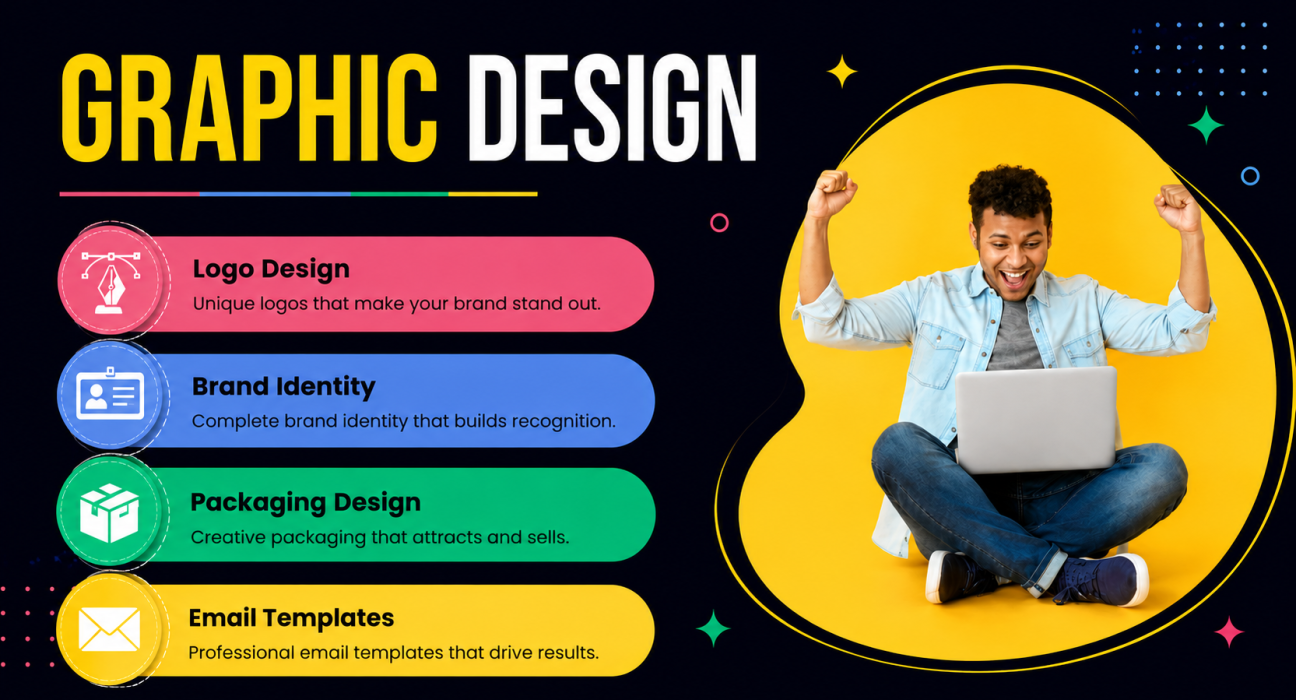
Graphic design companies help businesses communicate visually. Depending on the agency, services may include:
- Brand identity design (logos, color palettes, typography systems)
- Marketing materials (brochures, flyers, presentations)
- Packaging and product design
- Website and app visual design
- Social media graphics and ad creative
- Print design (business cards, signage, catalogs)
- Illustration and custom iconography
Some companies specialize narrowly, such as packaging design or logo design, while others offer full-service branding and creative direction. Understanding your specific need is the first step toward narrowing your options.
Step 1: Define Your Design Needs Before You Start Searching
Before contacting any graphic design companies, get clear on what you actually need. This saves time and helps you evaluate proposals more accurately.
Ask yourself:
- Do I need a complete brand identity, or a specific deliverable like a logo or brochure?
- Is this a one-time project or an ongoing design relationship?
- Do I need print design, digital design, or both?
- What is my realistic budget range?
- What is my timeline?
A startup building a brand from scratch has very different needs than an established company refreshing its packaging. Being specific here helps you filter out companies that aren’t a good fit before you waste time on calls or proposals.
Step 2: Look at Portfolio Quality and Relevance
A strong portfolio is the clearest signal of a design company’s capability. When reviewing portfolios, look beyond whether the work looks visually appealing.
Check for:
- Range: Can the company handle different styles, or does every project look the same?
- Relevance: Have they worked with businesses in your industry or with similar goals?
- Problem-solving: Does the case study explain the business challenge and how the design addressed it, not just the final visuals?
- Consistency: Is the quality consistent across projects, or are there a few strong pieces surrounded by weaker work?
A portfolio full of beautiful visuals with no context about strategy or results is a caution sign. The best graphic design companies can explain the thinking behind their design decisions, not just show the output.
Step 3: Evaluate Their Design Process
How a company works matters as much as what they produce. A clear, structured process usually leads to better outcomes and fewer surprises.
Ask potential partners to walk you through their process, including:
- Discovery: How do they learn about your business, audience, and goals?
- Concept development: How many initial concepts do they typically present?
- Revisions: How many rounds of revisions are included, and what happens if you need more?
- Approval and delivery: What file formats and assets do you receive at the end?
- Timeline: What does a realistic project timeline look like for your specific need?
Companies that can’t clearly explain their process, or that promise unlimited revisions with no structure, often struggle with scope creep and delays later on.
Step 4: Compare Pricing Models
Graphic design companies price their services differently, and understanding the model helps you compare quotes fairly.
| Pricing Model | How It Works | Best For |
|---|---|---|
| Fixed project fee | One price for a defined scope of work | Logo design, single deliverables, clearly scoped projects |
| Hourly rate | Billed based on time spent | Ongoing work, undefined scope, small tasks |
| Retainer | Monthly fee for a set amount of design work | Businesses needing continuous design support |
| Package pricing | Tiered packages (basic, standard, premium) | Startups and SMBs wanting predictable pricing |
Low pricing isn’t automatically a red flag, and high pricing doesn’t guarantee quality. What matters is whether the scope, timeline, and deliverables are clearly defined in writing before work begins. Always clarify what’s included, how many revisions you get, and who owns the final files.
Step 5: Check Communication and Collaboration Style
Design projects require back-and-forth feedback, and communication style can make or break the experience. During initial conversations, pay attention to:
- Response time to emails or messages
- Whether they ask thoughtful questions about your business
- How they handle feedback, especially if you request changes
- Whether they explain design decisions in plain language, not just design jargon
If a company is slow to respond or vague during the sales process, that’s often a preview of what working together will be like.
Step 6: Read Reviews and Ask for References
Client feedback offers insight that a portfolio alone can’t provide. Look for reviews on independent platforms, and don’t hesitate to ask the company directly for references from past clients, especially ones in your industry or of similar business size.
When speaking with references, useful questions include:
- Did the company meet deadlines?
- How did they handle revisions or disagreements?
- Would you hire them again?
- Were there any unexpected costs or delays?
This is also where a research and comparison platform like GoFirms can help. Instead of relying only on a single agency’s own claims, businesses can use GoFirms to research and compare graphic design companies, review company profiles, and see how different providers position their services side by side, making the shortlisting process faster and more informed.
Step 7: Understand Ownership and Usage Rights
Before signing any agreement, clarify who owns the final designs. In most professional agreements, once a project is paid in full, the client owns the rights to use the final deliverables. However, this isn’t automatic everywhere, and some companies retain rights to display work in their own portfolio.
Confirm in writing:
- Who owns the final files and source files
- Whether you receive editable files (like Adobe Illustrator or Figma files), not just final exports
- Any restrictions on how you can use the design
Red Flags to Watch For
Some warning signs suggest a graphic design company may not be the right fit:
- No clear process or timeline for projects
- Reluctance to share references or past client contacts
- Pricing that seems unusually low with no explanation
- Portfolio work that looks templated or generic across clients
- Pressure to sign quickly without a written agreement
- Vague answers about file ownership or revision policies
Freelancer vs. Design Agency vs. In-House Team
Businesses often weigh whether to hire an individual freelancer, a graphic design company, or build an in-house design team. Each option has trade-offs.
- Freelancers can be cost-effective for smaller, well-defined projects but may have limited bandwidth for larger or ongoing needs.
- Design agencies typically offer a broader skill set, backup coverage if someone is unavailable, and established processes, which suits businesses needing consistent, scalable design support.
- In-house teams make sense for companies with continuous, high-volume design needs, though they come with higher fixed costs.
For most startups and SMBs evaluating graphic design companies, agencies offer a practical middle ground between flexibility and reliability.
Frequently Asked Questions
How much do graphic design companies typically charge? Pricing varies widely based on scope, experience, and location. Simple projects like a single logo may cost a few hundred dollars, while full brand identity packages or ongoing retainers can cost significantly more. Always request a detailed quote based on your specific project rather than relying on general estimates.
How long does a typical design project take? Timelines depend on the complexity of the project. A logo design might take one to two weeks, while a complete brand identity system can take four to eight weeks or longer. Ongoing design retainers operate on a ongoing monthly cycle rather than a fixed end date.
Should I choose a local graphic design company or work remotely? Both options can work well. Local companies may offer easier in-person collaboration, while remote design companies often provide access to a wider talent pool and more competitive pricing. The right choice depends on your preference for in-person meetings versus flexibility.
What should be included in a design contract? A solid contract should outline project scope, deliverables, timeline, number of revisions, payment terms, and ownership of final files. Having these details in writing protects both parties and reduces the chance of disputes later.
How many design concepts should I expect to see initially? This varies by company, but two to three initial concepts is common for branding projects. Be cautious of companies that only present a single concept with no explanation of alternative directions considered.
Can I request revisions if I don’t like the initial designs? Yes, most reputable graphic design companies include a set number of revision rounds in their pricing. Clarify this upfront, as additional revisions beyond the agreed scope may incur extra charges.
How do I know if a design company understands my industry? Review their portfolio for relevant industry experience, ask direct questions about their familiarity with your market during initial conversations, and request references from clients in similar industries.
Conclusion
Choosing the right graphic design company comes down to clarity and due diligence: know what you need, review real portfolio work, understand the process and pricing, and verify feedback from actual clients before committing. A strong design partner should feel less like a vendor and more like a collaborator invested in how your business is perceived.
If you’re currently evaluating options, using a platform like GoFirms to research and compare graphic design companies can help you shortlist providers more efficiently, so you can focus your time on the conversations that matter most.