

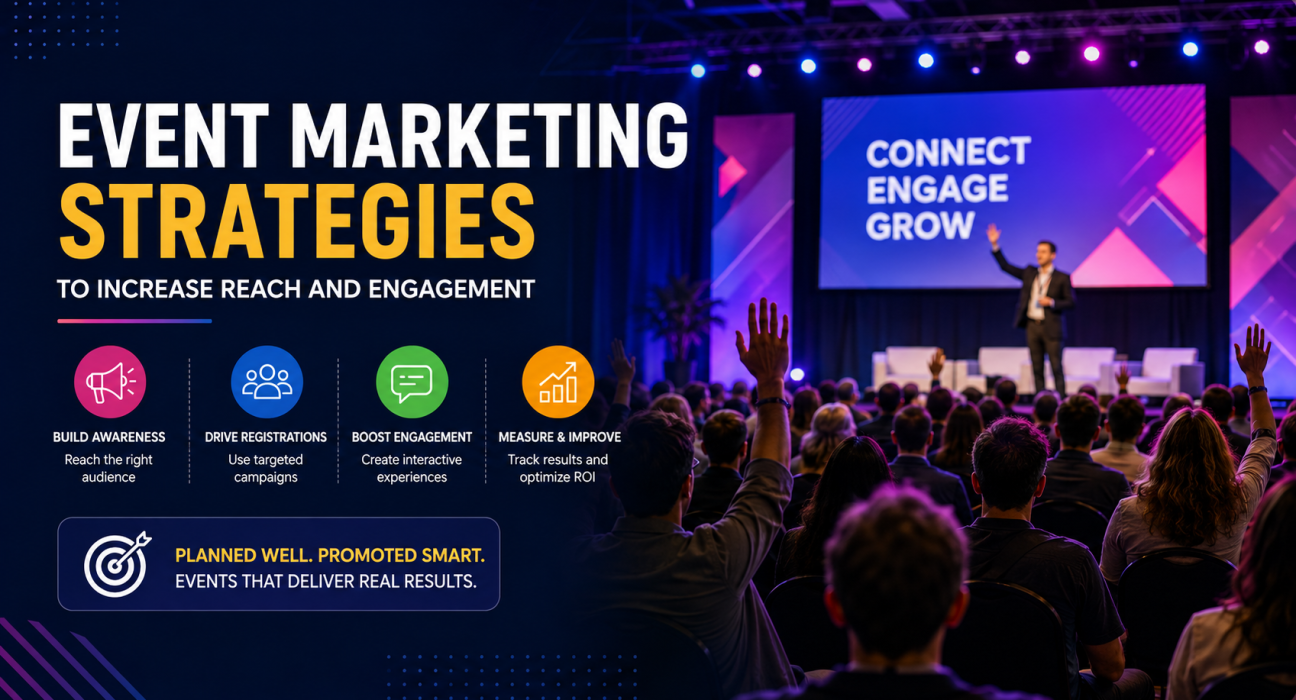
Planning an event is only half the battle. The real challenge most businesses face is getting the right people to show up, stay engaged, and actually remember the experience afterward. Whether it’s a product launch, a trade show booth, a webinar series, or a customer appreciation event, the difference between a packed room and an empty one usually comes down to strategy, not luck.
If you’re searching for effective event marketing strategies, you’re likely trying to solve one of two problems: not enough people are registering or attending, or the people who do show up aren’t engaging the way you’d hoped. This article breaks down practical, tested approaches to both problems, so you can plan events that generate real business value instead of just checking a box on the marketing calendar.
What Is Event Marketing?
Event marketing is the process of promoting a brand, product, or service through in-person, virtual, or hybrid events. It includes everything from the pre-event promotion that drives registrations, to the on-site or on-screen experience that keeps attendees engaged, to the post-event follow-up that turns attendees into customers or advocates.
Good event marketing isn’t just about logistics. It’s a full-funnel effort that touches content marketing, email, social media, paid advertising, sales enablement, and customer relationship management.
Why Event Marketing Strategies Matter
A well-planned event can generate leads, build brand credibility, and create direct relationships with prospects and customers that other marketing channels struggle to replicate. But without a clear strategy, events often become expensive exercises with little measurable return.
Common event marketing challenges businesses run into include:
- Low registration or RSVP numbers
- High registration but low attendance
- Attendees who show up but don’t engage
- Difficulty proving ROI to leadership
- Poor follow-up that wastes the leads generated
The strategies below are organized around the event marketing lifecycle: before, during, and after the event, so you can address whichever stage is holding back your results.
Pre-Event Strategies: Building Awareness and Driving Registrations
1. Define a Clear Goal Before You Promote Anything
Before writing a single promotional email, decide what success looks like. Are you trying to generate qualified leads, build brand awareness, launch a product, or deepen relationships with existing customers? Your goal shapes your messaging, your target audience, and how you measure results afterward.
2. Know Your Audience and Segment Your Outreach
Generic invitations get ignored. Segment your audience by industry, role, past engagement, or customer lifecycle stage, and tailor your messaging to what matters to each group. A CTO evaluating a technical demo needs different messaging than a marketing manager attending a networking mixer.
3. Build a Multi-Channel Promotion Plan
Relying on a single channel limits your reach. Combine several of the following, depending on your audience and budget:
- Email marketing: Personalized invitations, reminder sequences, and countdown emails typically perform best.
- Social media: Organic posts, event pages, and short-form video teasers help build anticipation.
- Paid advertising: Targeted social and search ads can reach lookalike audiences beyond your existing list.
- Partnerships and co-marketing: Partnering with complementary brands, sponsors, or industry influencers extends your reach to their audience.
- Website and landing pages: A dedicated, conversion-focused landing page with a clear call to action improves registration rates compared to generic blog mentions.
- PR and media outreach: For larger events, press coverage adds credibility and reach.
4. Create Urgency and Incentives
Early-bird pricing, limited seating, exclusive bonuses, or first-come-first-served perks give people a reason to register now instead of “maybe later.”
5. Use Content Marketing to Warm Up Your Audience
Publish blog posts, short videos, or social content related to your event’s theme in the weeks leading up to it. This builds interest organically and positions your brand as knowledgeable on the topic, which also supports SEO and search visibility for your event page.
6. Make Registration Frictionless
Long forms and unclear next steps reduce conversions. Ask only for essential information, use a mobile-friendly registration flow, and send an immediate confirmation with clear details.
During-the-Event Strategies: Maximizing Engagement
7. Design the Experience Around Interaction, Not Just Information
Passive presentations lose attention quickly. Build in interactive elements such as live polls, Q&A sessions, breakout discussions, or hands-on demos. For virtual and hybrid events, features like live chat, reaction buttons, and interactive whiteboards keep remote attendees involved.
8. Encourage Real-Time Social Sharing
Create a branded event hashtag and encourage attendees to post about their experience. Set up a photo backdrop or shareable moment for in-person events, or a visually engaging virtual background for online ones. Consider a small incentive for the most engaging post.
9. Leverage Speakers and Influencers Strategically
A well-known or respected speaker doesn’t just draw an audience before the event, they also drive engagement during it. Encourage speakers to promote the event to their own networks and share key moments live.
10. Capture Content as It Happens
Record sessions, take professional photos, and collect testimonials or quotes on the spot. This content becomes valuable material for post-event marketing and future event promotion.
11. Make Networking Easy
For many attendees, networking is the real reason they show up. Structured networking sessions, matchmaking tools for larger conferences, or simple table assignments at smaller events help attendees connect meaningfully instead of standing around awkwardly.
Post-Event Strategies: Converting Attendance Into Results
12. Follow Up Quickly and Personally
Send a thank-you message within 24 to 48 hours. Include a recap, links to recorded sessions or slides, and a clear next step, whether that’s booking a call, downloading a resource, or joining a mailing list.
13. Segment Your Follow-Up by Engagement Level
Not every attendee should get the same follow-up. Someone who asked detailed product questions is a different lead than someone who attended one session and left. Segment your post-event outreach accordingly, and route hot leads to sales while nurturing others with relevant content.
14. Repurpose Event Content
Turn recorded sessions into blog posts, short video clips, podcast episodes, or social media snippets. This extends the value of the event well beyond the day it happened and continues to attract new audiences through search and social channels.
15. Measure Results Against Your Original Goal
Revisit the goal you set before the event and measure against it. Useful metrics include:
| Metric | What It Tells You |
|---|---|
| Registration-to-attendance rate | How compelling your invitation and reminders were |
| Engagement rate (polls, chat, Q&A participation) | How relevant and interactive the content was |
| Lead quality and conversion rate | Whether the event attracted the right audience |
| Social mentions and shares | Brand visibility generated by the event |
| Post-event content performance | Long-term value beyond the live event |
16. Gather Feedback for Continuous Improvement
A short post-event survey helps you understand what worked and what didn’t, directly from the people who experienced it. Use this feedback to refine your approach for the next event.
Choosing the Right Marketing Partner for Event Promotion
Some businesses run event marketing entirely in-house, while others bring in specialized help for areas like paid advertising, content creation, email automation, or event technology platforms. If your team lacks the bandwidth or expertise to execute a multi-channel promotion plan effectively, working with a digital marketing agency can help fill the gap.
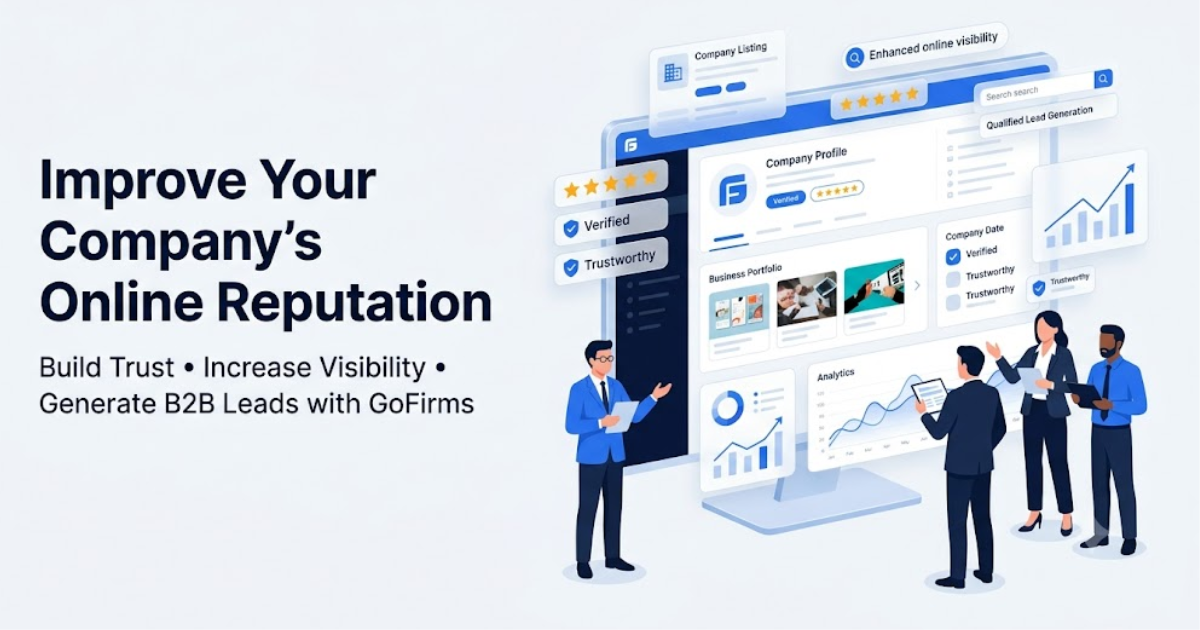
Businesses researching potential partners can use a platform like GoFirms to explore and compare digital marketing agencies, review their service focus areas, and evaluate which providers align with their event goals and budget. This kind of research can save time compared to reaching out to agencies one by one and helps ensure you’re comparing providers on relevant criteria before committing.
Frequently Asked Questions
What are the most effective event marketing strategies for small businesses?
Small businesses often get the best results from targeted email campaigns, organic social media promotion, and partnerships with complementary local businesses or influencers. Focusing on a well-segmented, engaged audience tends to outperform broad, unfocused promotion, especially with limited budgets.
How far in advance should I start promoting an event?
For most events, promotion should start four to six weeks in advance, with a mix of early-bird offers, reminder emails, and increasing social media frequency as the date approaches. Larger conferences or product launches may benefit from a longer runway of two to three months.
How do I increase attendance for a virtual event?
Focus on a strong, benefit-driven registration page, multiple reminder touchpoints, and interactive session formats that make the event worth attending live rather than watching later. Offering a limited-time bonus for live attendees can also help.
What is the best way to measure event marketing ROI?
Compare the cost of running the event against measurable outcomes tied to your original goal, such as leads generated, deals influenced, or brand awareness metrics like reach and engagement. Tracking attendee behavior after the event, including content downloads or sales conversations, gives a fuller picture than attendance numbers alone.
Should I use paid advertising to promote an event?
Paid advertising can be effective for reaching audiences beyond your existing contact list, especially for larger or public-facing events. It works best when combined with organic promotion rather than used as a standalone strategy.
How do I keep attendees engaged during a long event or conference?
Break up long sessions with interactive elements like polls, breakout discussions, and Q&A, and vary the format between presentations, panels, and hands-on activities. Scheduled breaks and networking time also help maintain energy throughout the day.
Do I need a marketing agency to run a successful event?
Not necessarily. Many businesses run successful events in-house, especially smaller ones. Larger or more complex events, particularly those involving paid advertising, advanced event technology, or multi-channel campaigns, often benefit from specialized agency support to execute effectively.
Conclusion
Effective event marketing strategies rarely rely on a single tactic. The businesses that consistently run successful events treat promotion, engagement, and follow-up as one connected process, not three separate tasks. Start with a clear goal, build a multi-channel promotion plan that matches your audience, design the event experience around genuine interaction, and follow up quickly with relevant next steps.
If your team needs additional expertise to execute any part of this process, researching and comparing digital marketing agencies through a platform like GoFirms can be a practical starting point for finding a partner suited to your goals and budget.